

Background
Bunrin Shiokawa was born in 1808 in Kyoto, Japan. He was the son of a samurai.
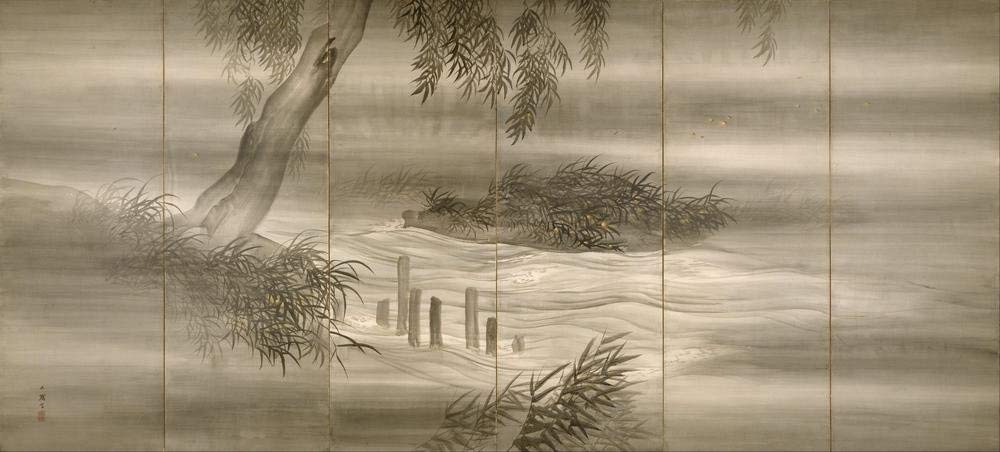
http://www.amazon.com/gp/product/B00A6DUMB8/?tag=2022091-20
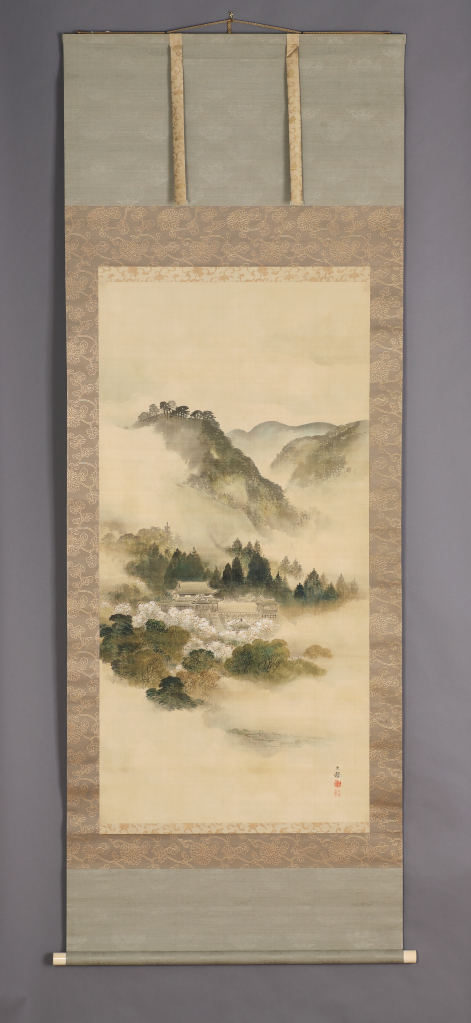
(From a series of Eight Views of Ōmi Province.)
From a series of Eight Views of Ōmi Province.
1867
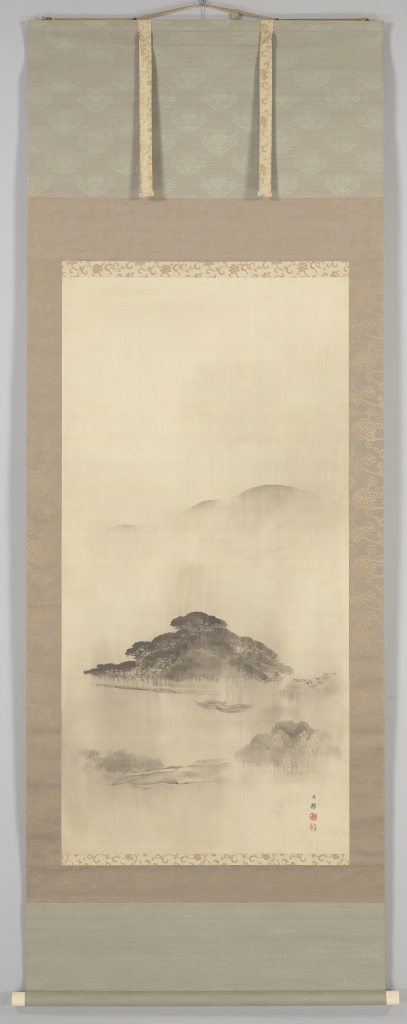
(From a series of Eight Views of Ōmi Province.)
From a series of Eight Views of Ōmi Province.
1867
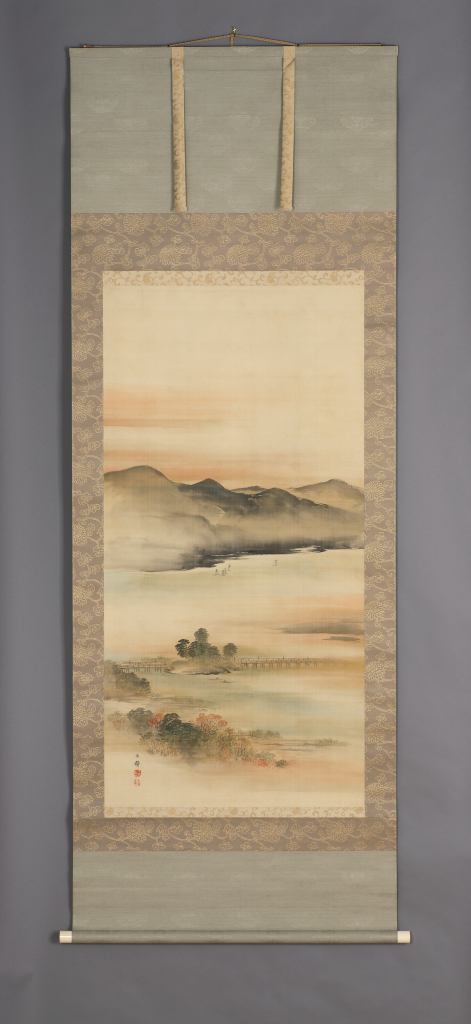
(From a series of Eight Views of Ōmi Province.)
From a series of Eight Views of Ōmi Province.
1867
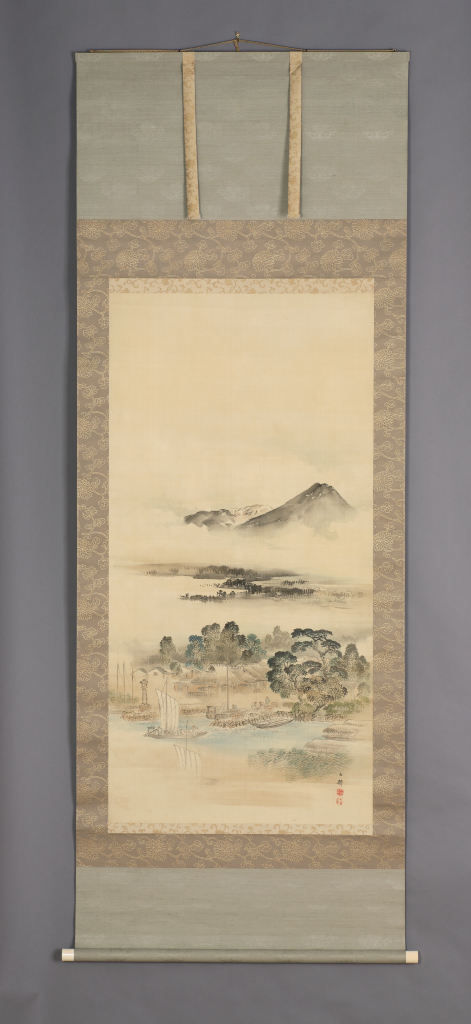
(From a series of Eight Views of Ōmi Province.)
From a series of Eight Views of Ōmi Province.
1867

(From a series of Eight Views of Ōmi Province.)
From a series of Eight Views of Ōmi Province.
1867
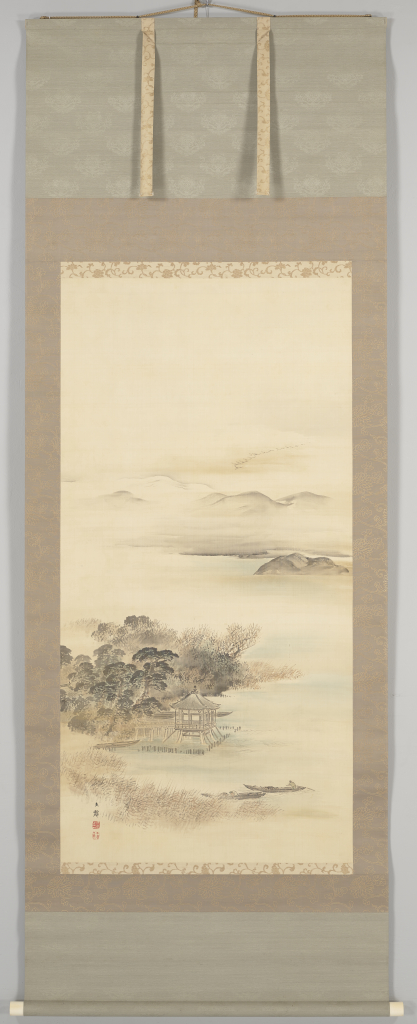
(From a series of Eight Views of Ōmi Province.)
From a series of Eight Views of Ōmi Province.
1867
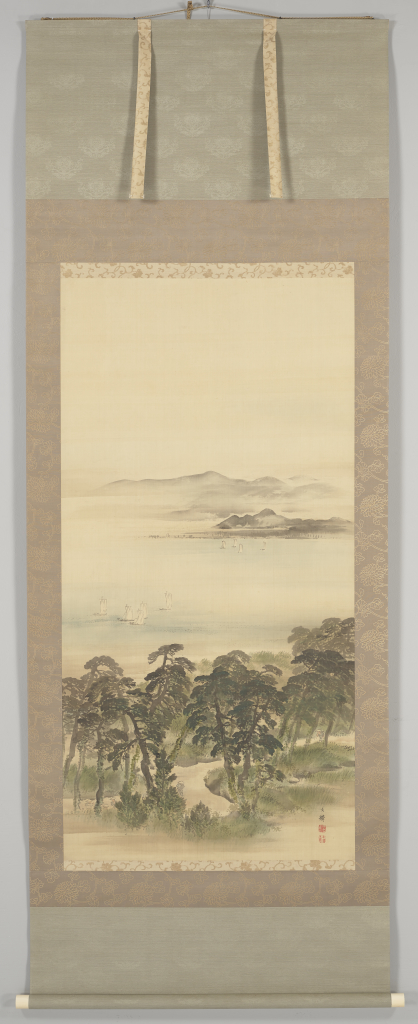
(From a series of Eight Views of Ōmi Province.)
From a series of Eight Views of Ōmi Province.
1867
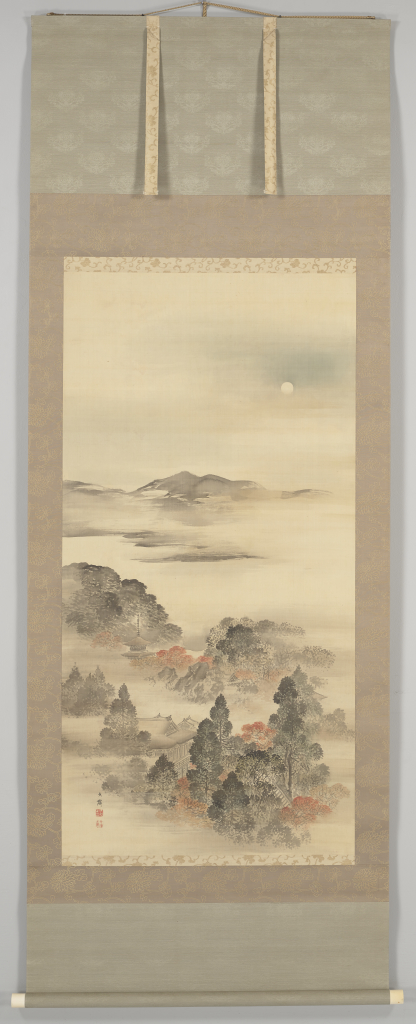
(From a series of Eight Views of Ōmi Province.)
From a series of Eight Views of Ōmi Province.
1867
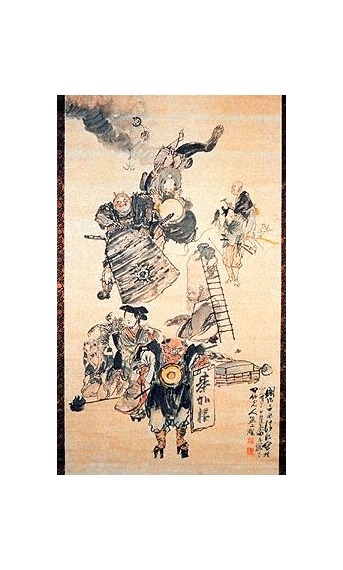
1871


文麟 塩川
Bunrin Shiokawa was born in 1808 in Kyoto, Japan. He was the son of a samurai.
At his father’s death he moved to relatives in Fushimi, where he started to study painting with a local artist called Toryō at the age of fourteen. Later, he was a pupil of Okamoto Toyohiko and also studied nanga style painting and western style painting.
Little is known of his early career until the 1850’s when he appears as an established artist working in the Imperial Palace. Unfortunately, many of his works from this period can no longer be traced.
During the chaotic years before the Meiji restoration Bunrin stayed away from the Kyoto scene and spent a lot of time studying the collections of the many temples and shrines in the Kyoto region. He also got acquainted with western style painting, from which he absorbed those elements which he could fuse into his own, like the rendering of perspective, atmosphere and light. Besides still life and landscapes, he painted pictures based on historical themes. His style was more western than that of his contemporaries and he explored many new techniques.
At Bunrin’s death in 1877 the leadership of his school was taken over by Kōno Bairei, but stylistically Kishi Chikudō and Takeuchi Seihō were Bunrin’s true successors.
Bunrin Shiokawa was a major artist whose style had great influence on the Kyoto style of painting in the early Meiji era, particularly that of Kishi Chikudō, Morikawa Sobun, Mochizuki Gyokusen and Takeuchi Seihō.
He also played an important role in establishing contacts with the new Mejij government, whose new rules greatly affected the Kyoto art world and the lives of artists. He helped establish the new Kyoto Exhibition in which he and his pupils contributed paintings and calligraphy. Later he became a judge of the painting section. He also helped establish a cooperative art-gallery where local artists held monthly exhibitions and sold their work directly to the public.
Evening Bell at Mii Temple
(From a series of Eight Views of Ōmi Province.)
1867Night Rain at Karasaki
(From a series of Eight Views of Ōmi Province.)
1867Evening Glow at Seta
(From a series of Eight Views of Ōmi Province.)
1867Boats Returning to Yabase
(From a series of Eight Views of Ōmi Province.)
1867Evening Snow on Mount Hira
(From a series of Eight Views of Ōmi Province.)
1867Geese Descending at Katata
(From a series of Eight Views of Ōmi Province.)
1867Clearing Weather at Awazu
(From a series of Eight Views of Ōmi Province.)
1867Autumn Moon at Ishiyama
(From a series of Eight Views of Ōmi Province.)
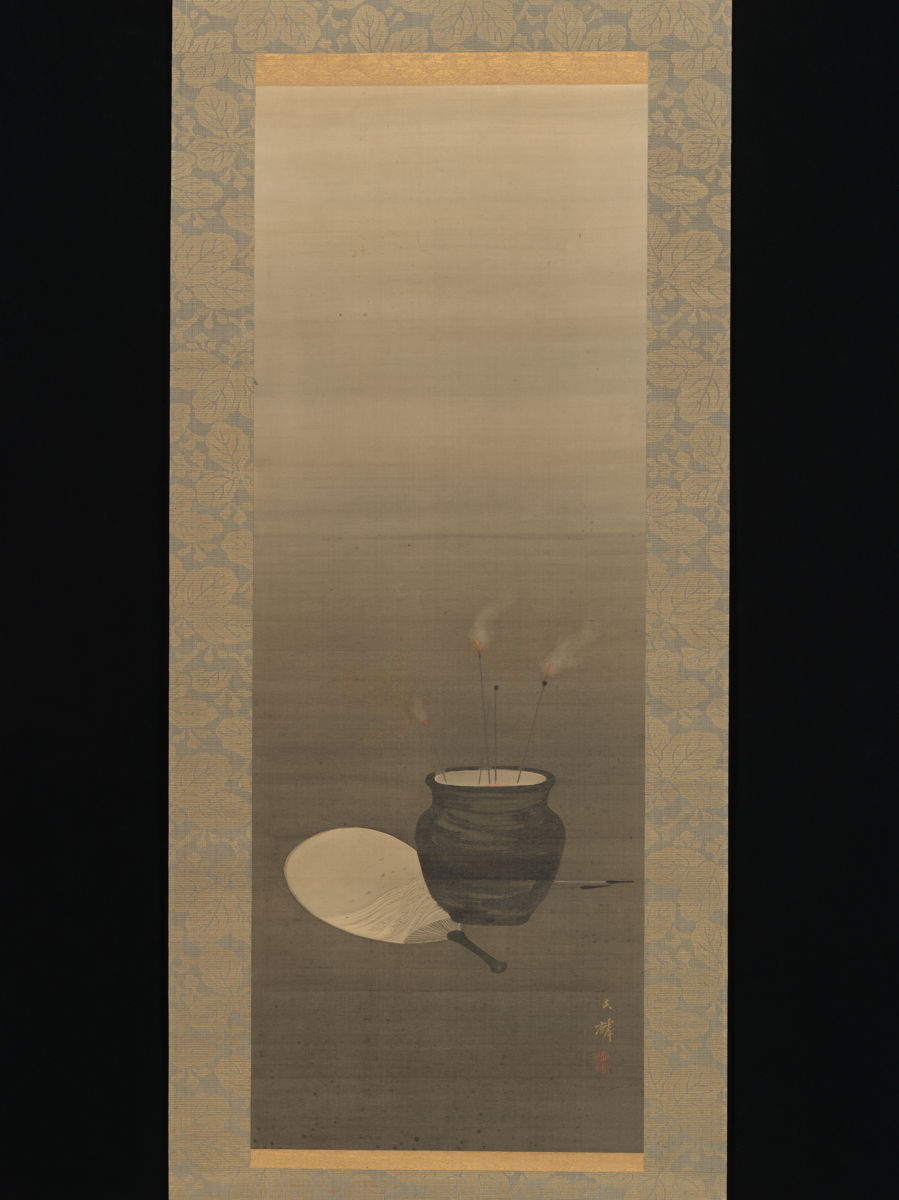
1867Sparklers on Summer Evening
Assemblage of Folk Tale Characters: ôtsu-e Picture Subjects
1871Boat and rigging
Fireflies at Night
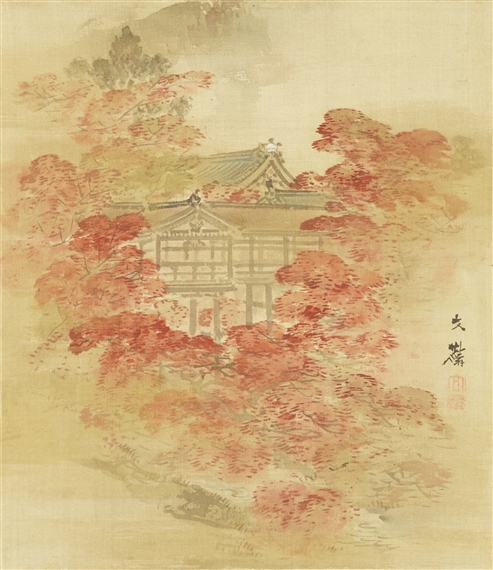
Kakejiku,depicting the Tsuten Bridge at Tofukuji Temple surrounded by a view of the temple's celebrated autumn maple leaves
Bunrin Shiokawa was versatile, but lacked elegance. Fond of wine, he used to draw pictures of light touch while under the influence of alcohol.
