Background
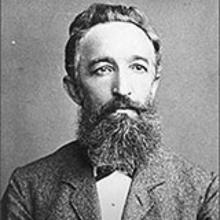
Ernst Hoeltzer was born on January 7, 1835 in Germany.

Ernst Hoeltzer was born on January 7, 1835 in Germany.
From 1844 to 1848 Ernst Hoeltzer attended the Salzmann School in Schnepfenthal in Gotha.
Ernst Hoeltzer was tasked by the British in Isfahan to run the telegraph center in this city. After the work was completed in 1867, he took a short trip to back to (Germany), where he became acquainted with photography. Ernst Hoeltzer bought a camera and other equipment and brought them back to Iran.
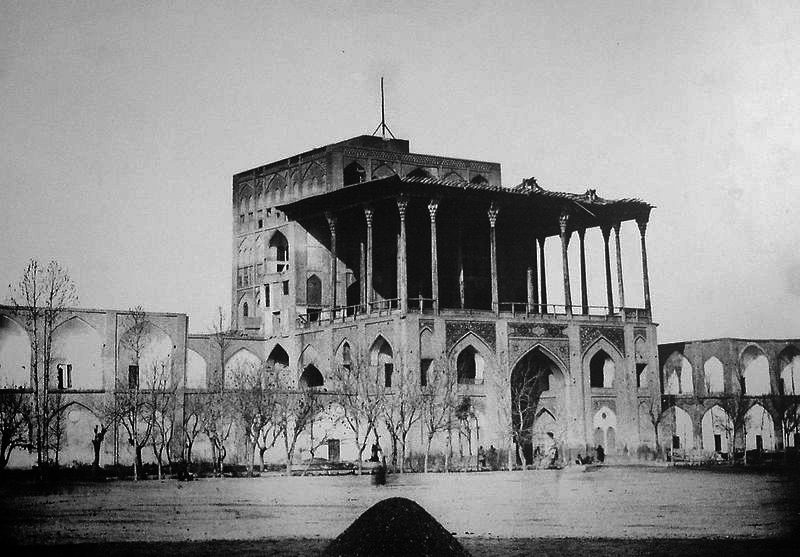
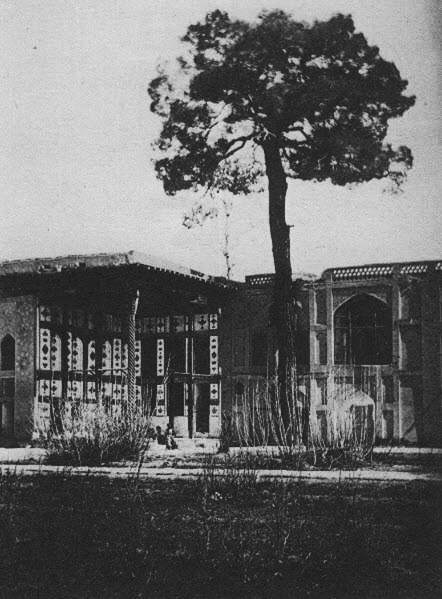
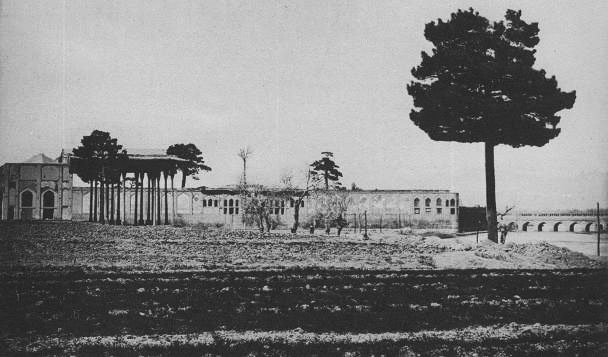
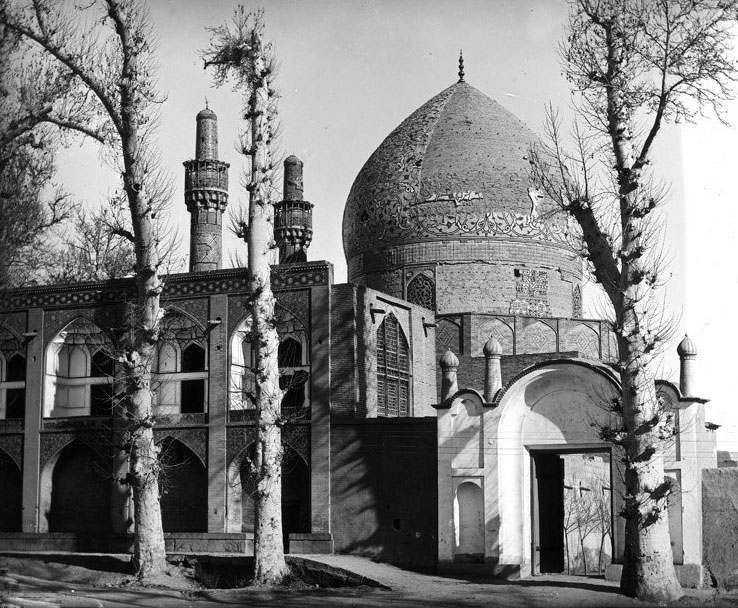
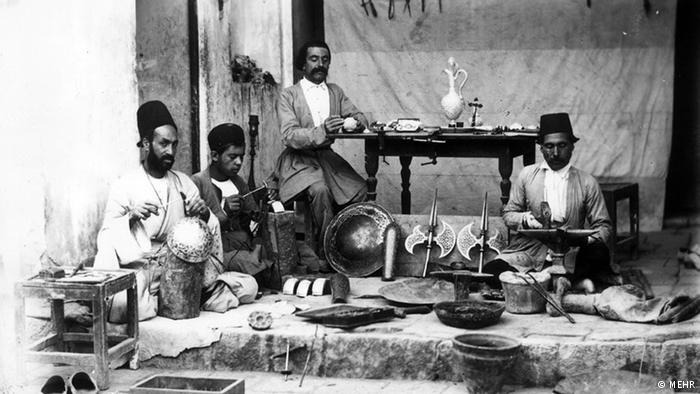
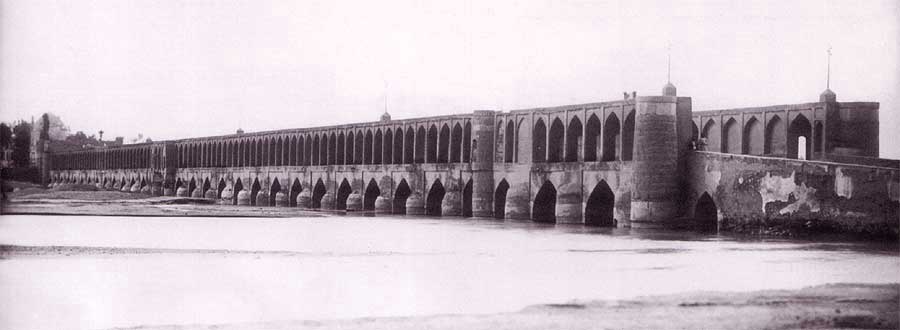
From 1873 to 1897, Ernst Hoeltzer took thousands of photographs in Iran.
Ernst Hoeltzer died in Isfahan on July 7, 1911. He is buried in the Armenian cemetery in Isfahan.
In 1975, a number of Hoeltzer's photos were put on public display which included a collection of 100 photographs from Jolfa. Prints of these photos came into the possession of Mohammad Assemi, who sent them to the Ministry of Culture in Tehran. A selection first appeared in 1976 under the title Persia 113 Years Ago and again in 2004 under the title Thousand Sights of Life.
Quotes from others about the person
Helmut Wietz: "The themes of his photographs include portraits of eminent personalities in both Persian and Armenian communities...carefully observed views of the historical monuments of Isfahan, scenes of local life and festivals and a series illustrating the crafts for which Isfahan was famous."
In 1870 Ernst Hoeltzer married Maryam Haghnazar (1850 - October 12, 1920), an Iranian-Armenian woman from Tehran. After his death, all his property went to his daughter Karolina who married Eskandar Khan David Khanian, an Armenian in the town of Jolfa, Isfahan. Karolina lived in Tehran and had two daughters, Ricolletta and Hildegard.
After World War II, Ricolletta married a German man and carrying all her grandfather's belongings, went to live in Germany. She put Hoeltzer's five large wooden cases in her basement. In 1969, after a pipe broke in the basement, the cases were brought out and opened. The cases held a considerate number of glass containers with negatives of his photos in addition to notebooks with chemical instructions and Hoeltzer's diary.