Background
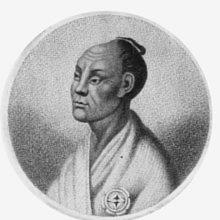
Kahei Takadaya was born in 1769 in the island of Awaji in present- day Hyogo Prefecture.

高田屋嘉兵衛
Kahei Takadaya was born in 1769 in the island of Awaji in present- day Hyogo Prefecture.
In 1792 built a large boat of 1,700 koku capacity and, loading it with goods, began trading with western and northern Honshu and with Ezochi, as Hokkaido was known at that time. In 1798 he expanded the scale of his enterprise, establishing a branch office in Hakodate.
In 1806 he was ordered to take over the selling of Ezochi products, and he accordingly fixed his main office at Hakodate, maintaining branch offices in Hyogo and Osaka, and with some ten or more large boats began trading Ezochi products for those of the home islands, acquiring huge profits in the process.
In 1812, in retaliation for the arrest of a Russian sea captain named Vasili Mikhailovi Golovnin by shogunate officials on Kunashiri Island, Kahei was seized by the crew of a Russian ship and taken to Kamchatka. The following year, when he was allowed to return to Japan, he worked for the release of Golovnin and played a role in bringing about a reconciliation between Russia and Japan. In 1824 he turned over his business to his younger brother and retired to his native village to live out his remaining years.
When the shogunate, hoping to strengthen the defenses of Ezochi and speed its colonization, asked for volunteers to undertake exploration of the island of Etorofu, the largest of the Chishima (Kurile) Islands, Kahei responded and set up a shipping route to Etorofu, opening new fishing grounds in the process.
In 1801, in reward for the role he played in the development of Ezochi, he was allowed to bear a surname and carry a sword, though he was a member of the merchant class and these privileges were ordinarily reserved to the samurai. He was also made a regularly employed boatman of the shogunate and put in charge of the operation of shogunate boats and the exploitation of the fishing grounds.