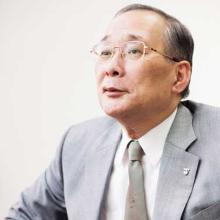
Background
Born on the northern island of Hokkaido
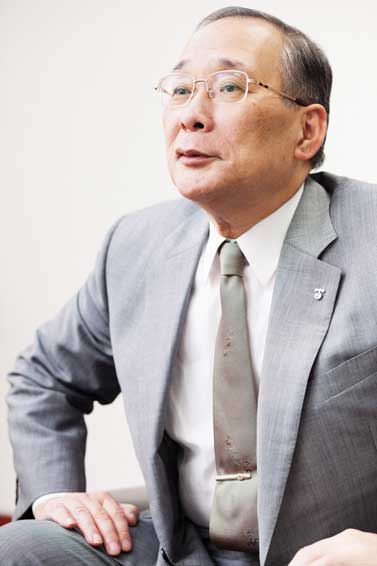
Born on the northern island of Hokkaido
● Career: 1974 Begins practising law in Tokyo. Develops a speciality in corporate bankruptcies and restructurings
● Late 1990s to early 2000s Oversees high-profile bankruptcy proceedings of Nihon Lease, Taisei Fire & Marine and others
● 2003 Appointed adviser to the Industrial Revitalization Corporation of Japan (IRCJ), government-backed fund that bails out failing companies
● 2005 Appointed director at Kanebo, insolvent textiles and cosmetics group
● 2006 Serves on a panel of inquiry in the Livedoor scandal
● 2007 Appointed chairman of the Tokyo Bar Association
● 2011 Leads a committee of experts to assess the impact of the Fukushima nuclear accident on the finances of Tepco. Later appointed chairman of a government-backed fund covering the cost of compensating those who lost homes and businesses
● 2012 Named chairman of Tepco
Restoring public trust in the company is an enormous task. Contamination from the Fukushima disaster forced more than 100,000 people from their homes, and it is likely that many will never return. Although the proximate cause of the accident was the giant tsunami that knocked out the plant’s cooling systems, Tepco – which had a history of safety problems and cover-ups years before the accident – has taken as much blame as Mother Nature.
Mr Shimokobe knows that he has taken on a difficult job.
At an age when many of his colleagues are retiring, the former head of the Tokyo Bar Association appears to view the role as a late-career act of public service.
Today he compares the company to a famous Japanese battleship, the Yamato – a sort of military version of the Titanic. Touted as invincible, it was sunk by United States forces near the end of the second world war. Tepco managers and employees, Mr Shimokobe says, “know the situation is severe, but they can’t imagine that the ship could actually sink. That idea doesn’t seem real”. It is a scenario that echoes the fate of the Fukushima plant itself.