Paul Revere was a folk hero of the American Revolution whose dramatic horseback ride on the night of April 18, 1775, warning Boston-area residents that the British were coming, was immortalized in a ballad by Henry Wadsworth Longfellow.
Background
Paul Revere was born on January 1, 1735 in Boston, Massachusetts, United States. He was the son of Apollos Rivoire, a French immigrant who'd come to America on his own at the age of 13, and Deborah Hichborn, a Boston native and the daughter of an artisan family. Paul Revere was the third of 12 children and eventually the eldest surviving son.
Education
As a boy Revere received sufficient education to enable him later to read the difficult metallurgical books of his period. At 13 he left school and became an apprentice to his father.
Career
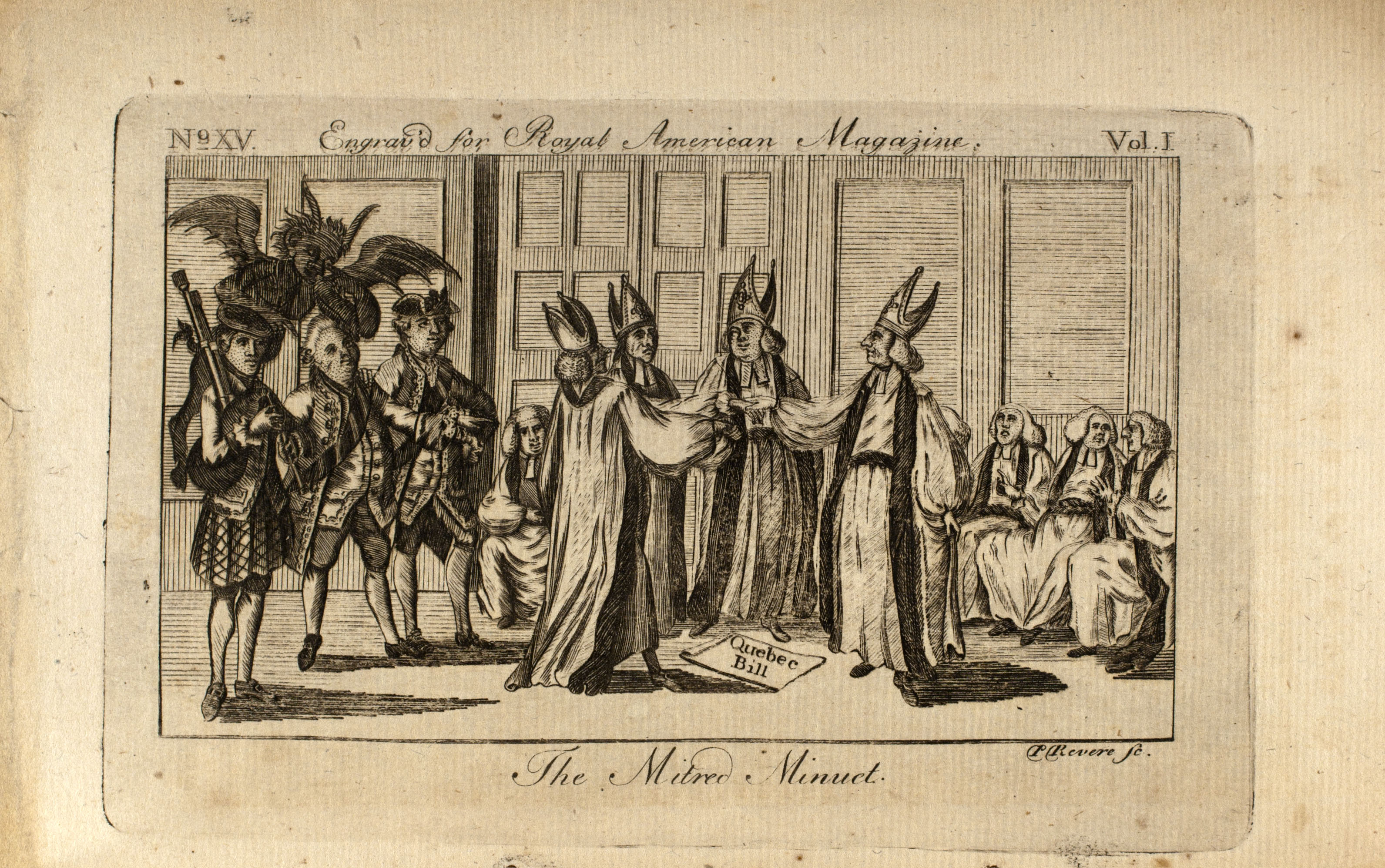
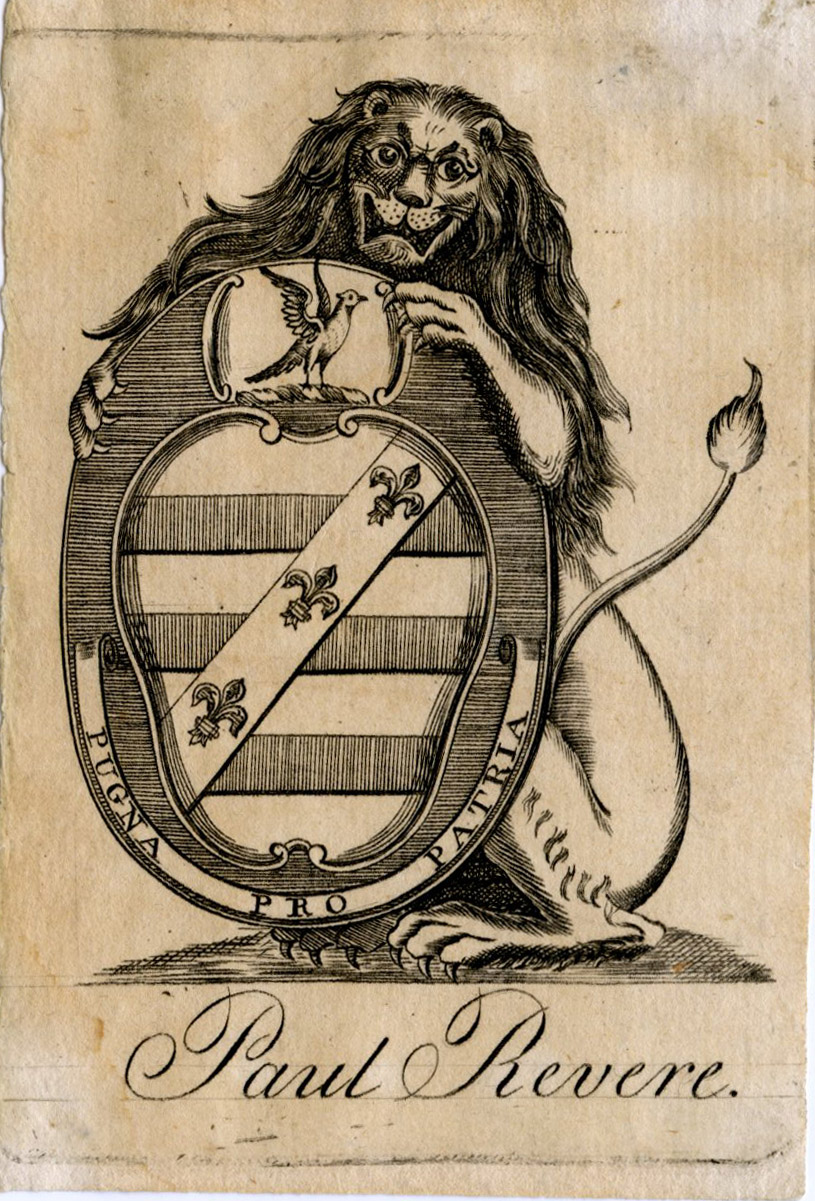
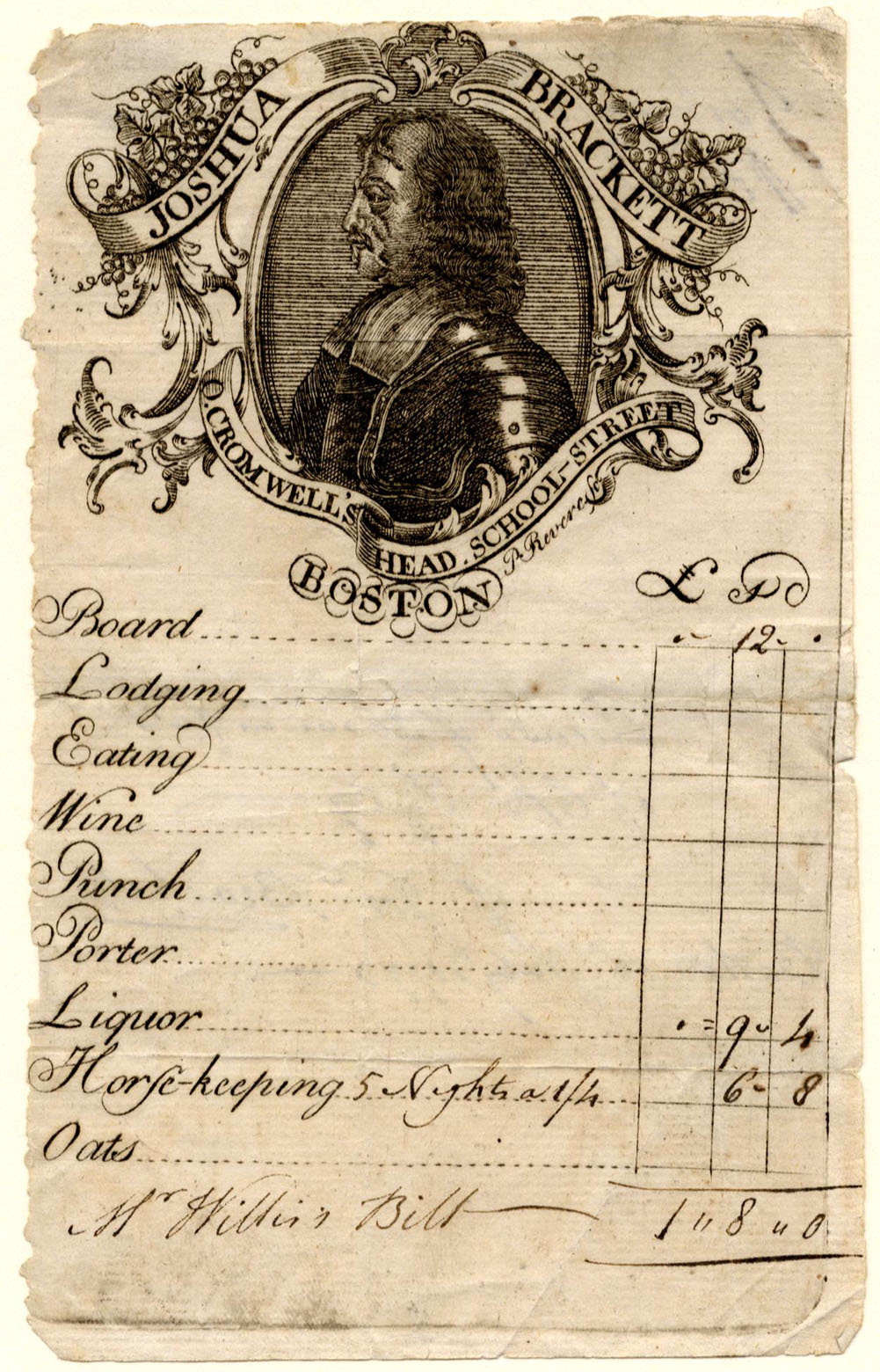
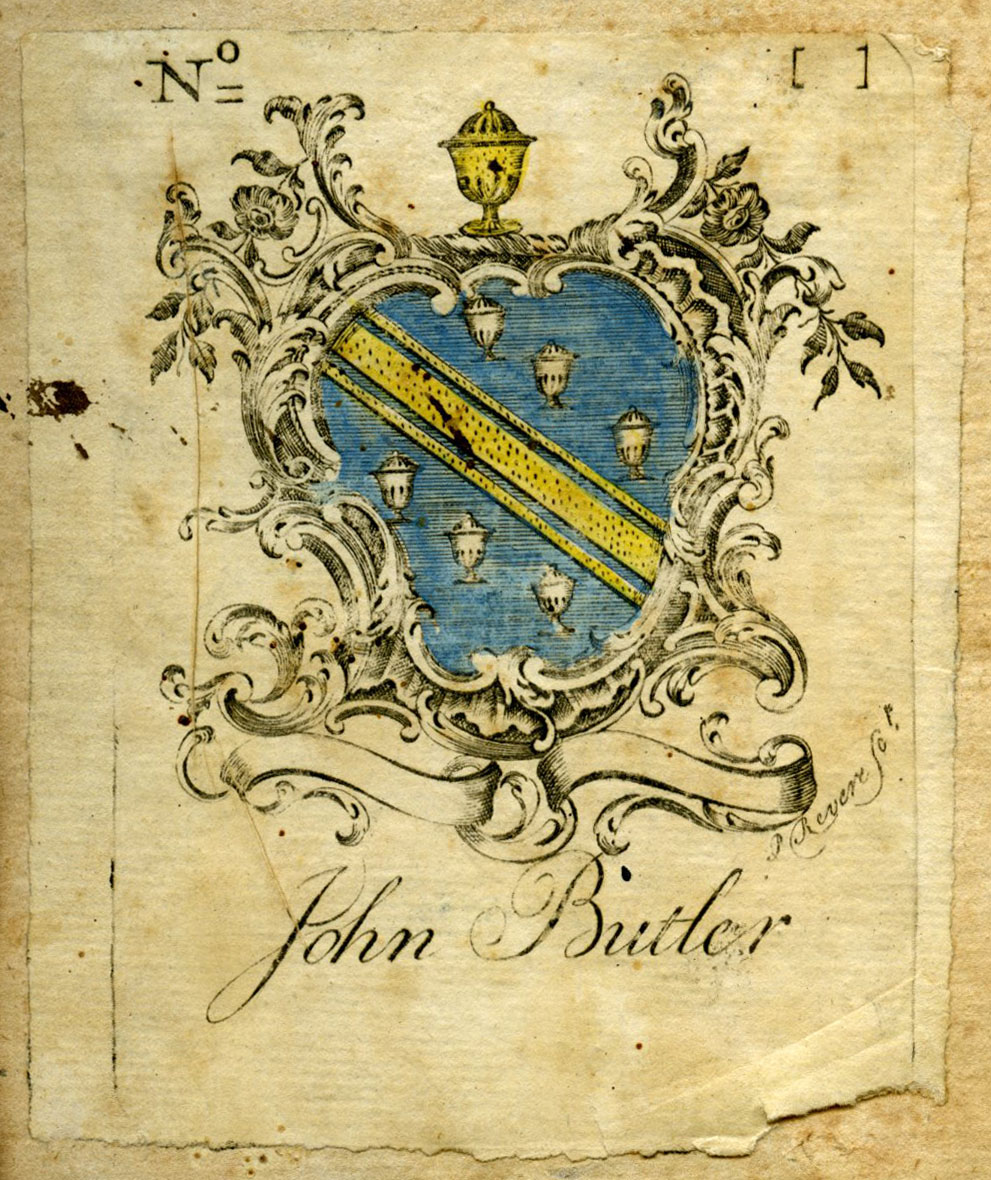
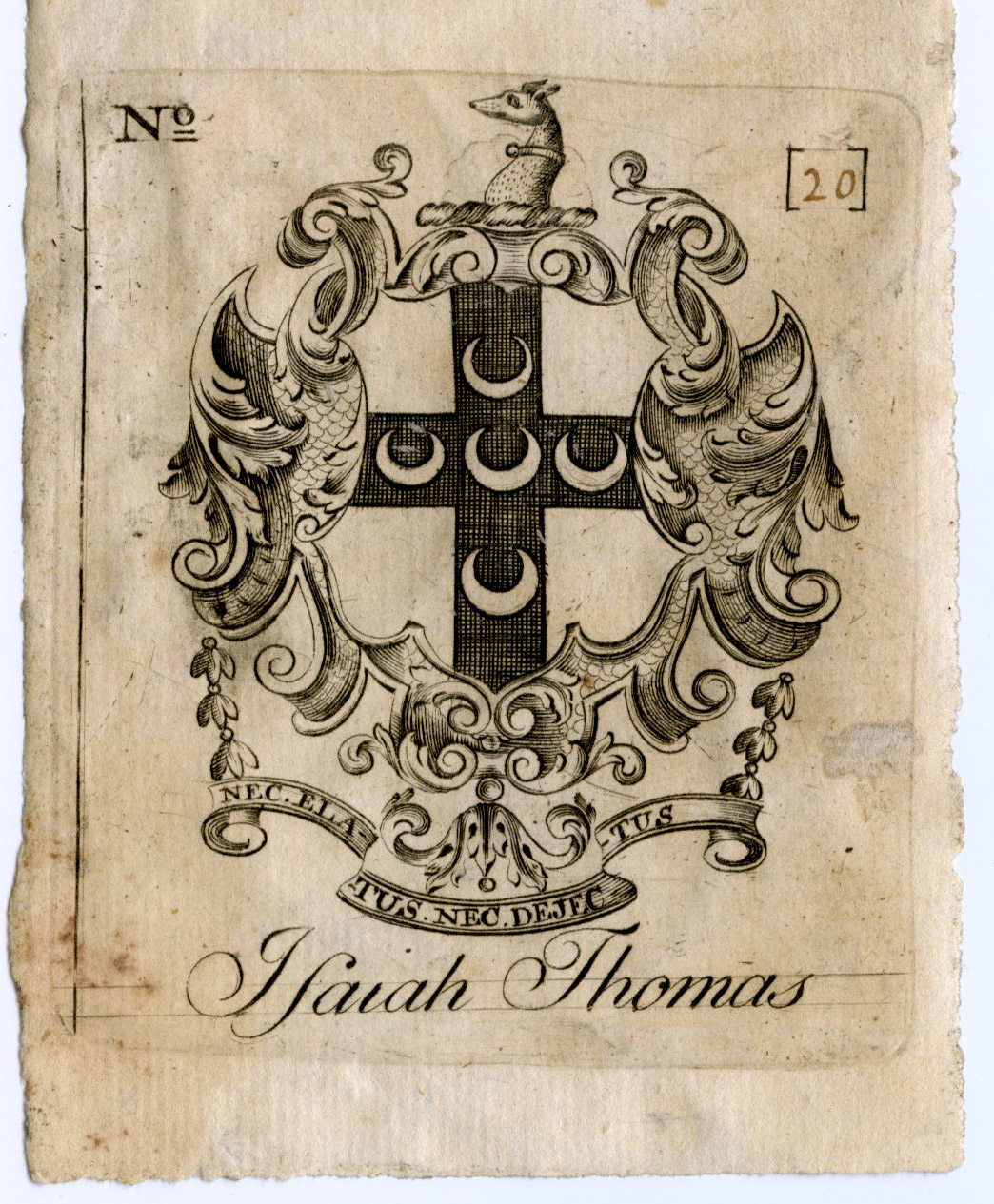
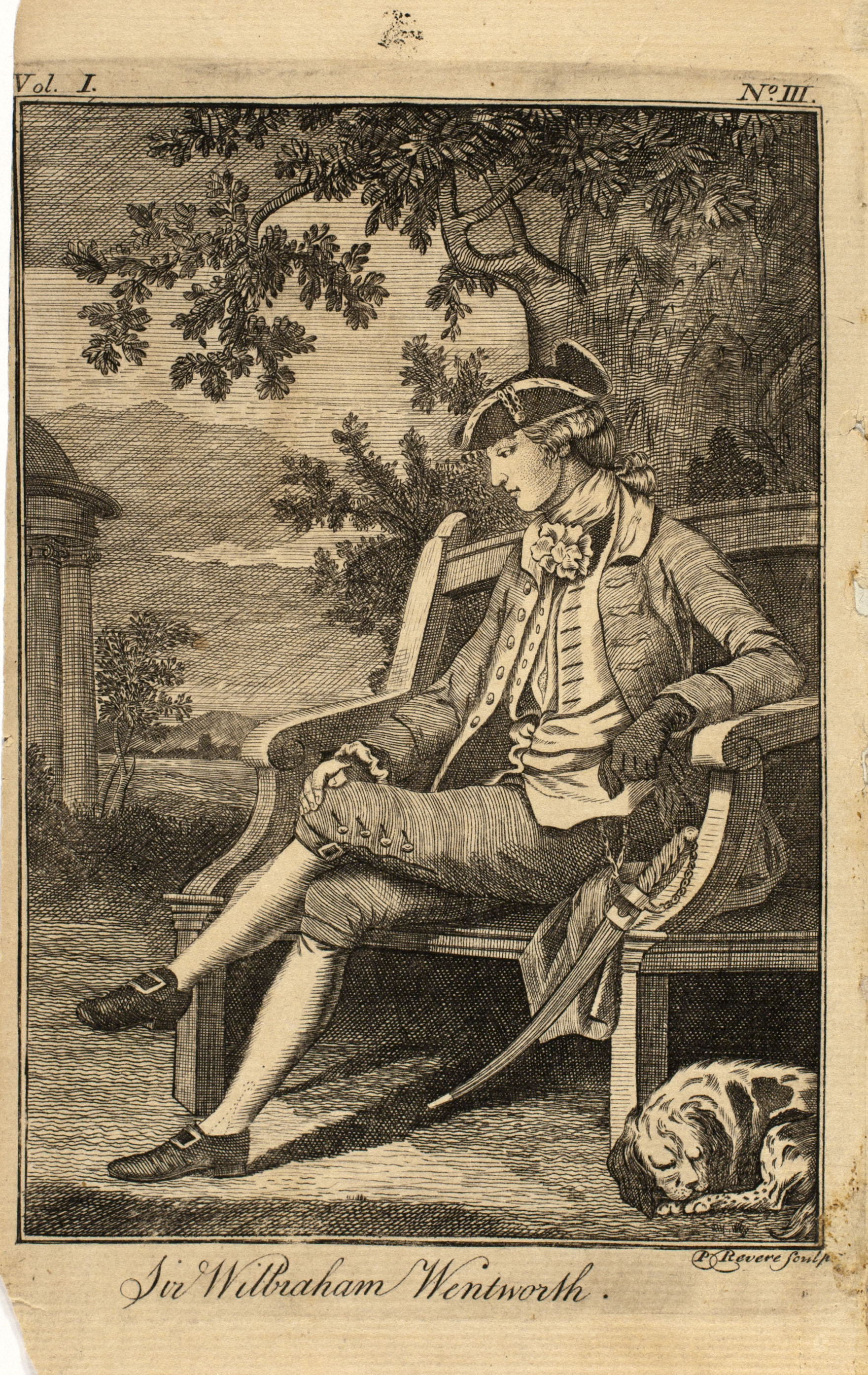
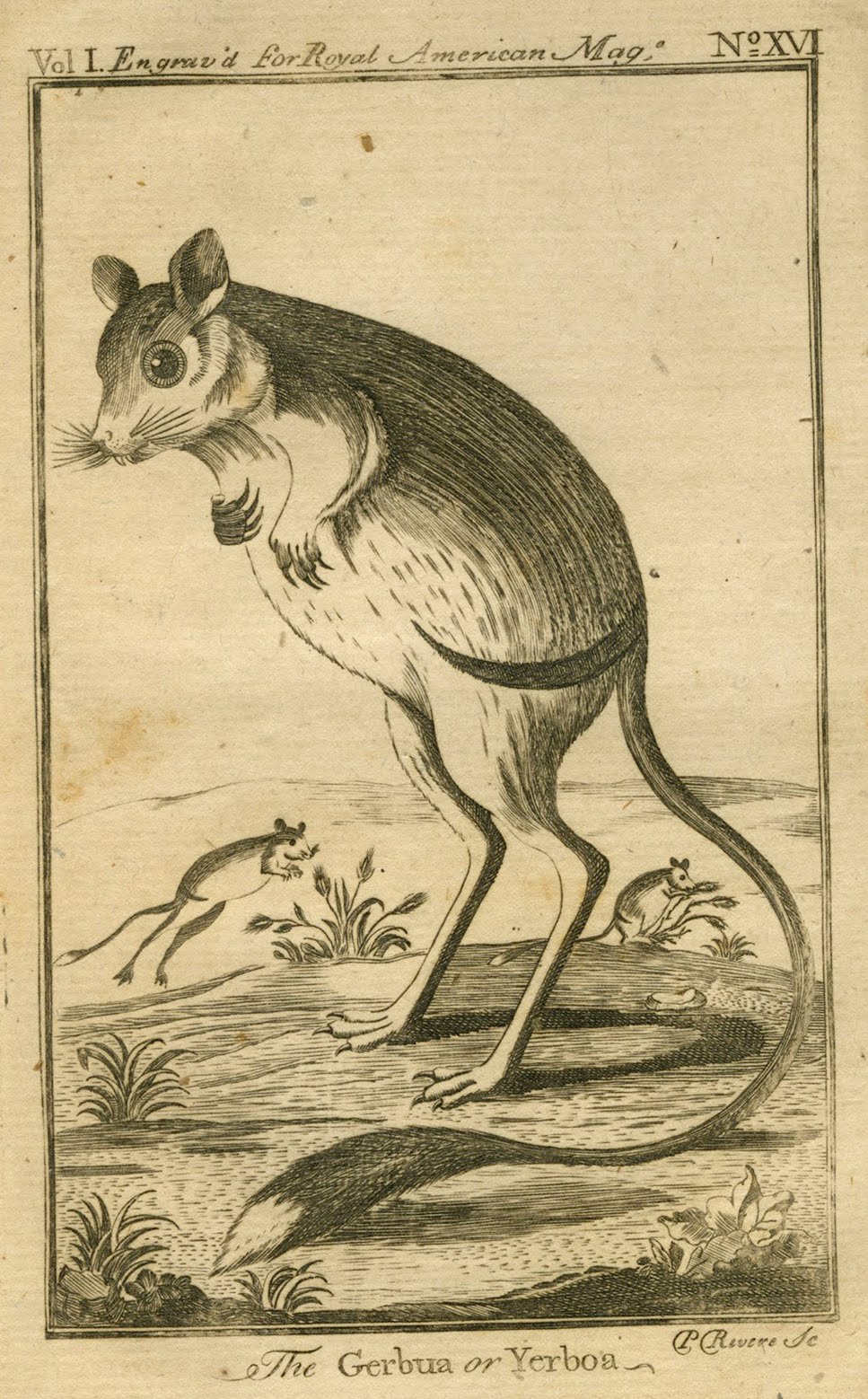
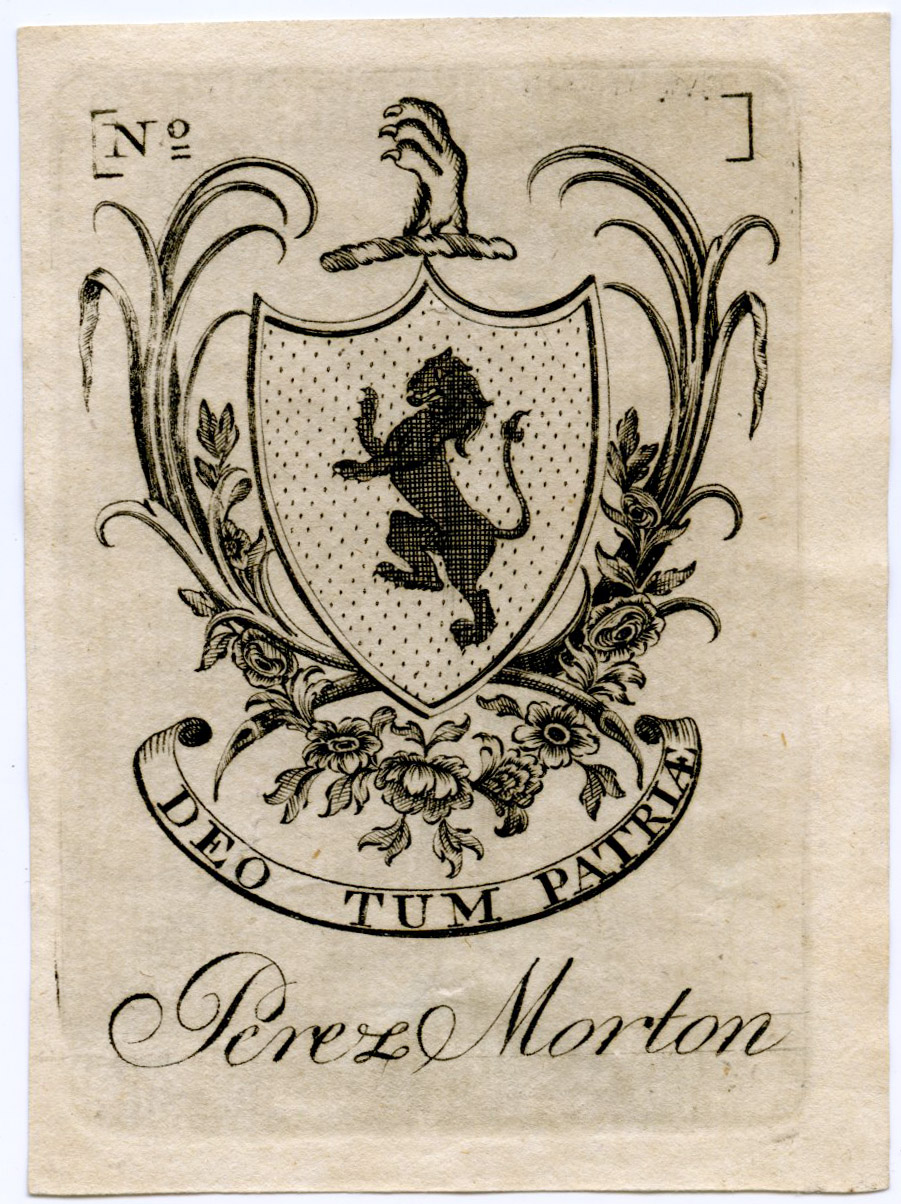
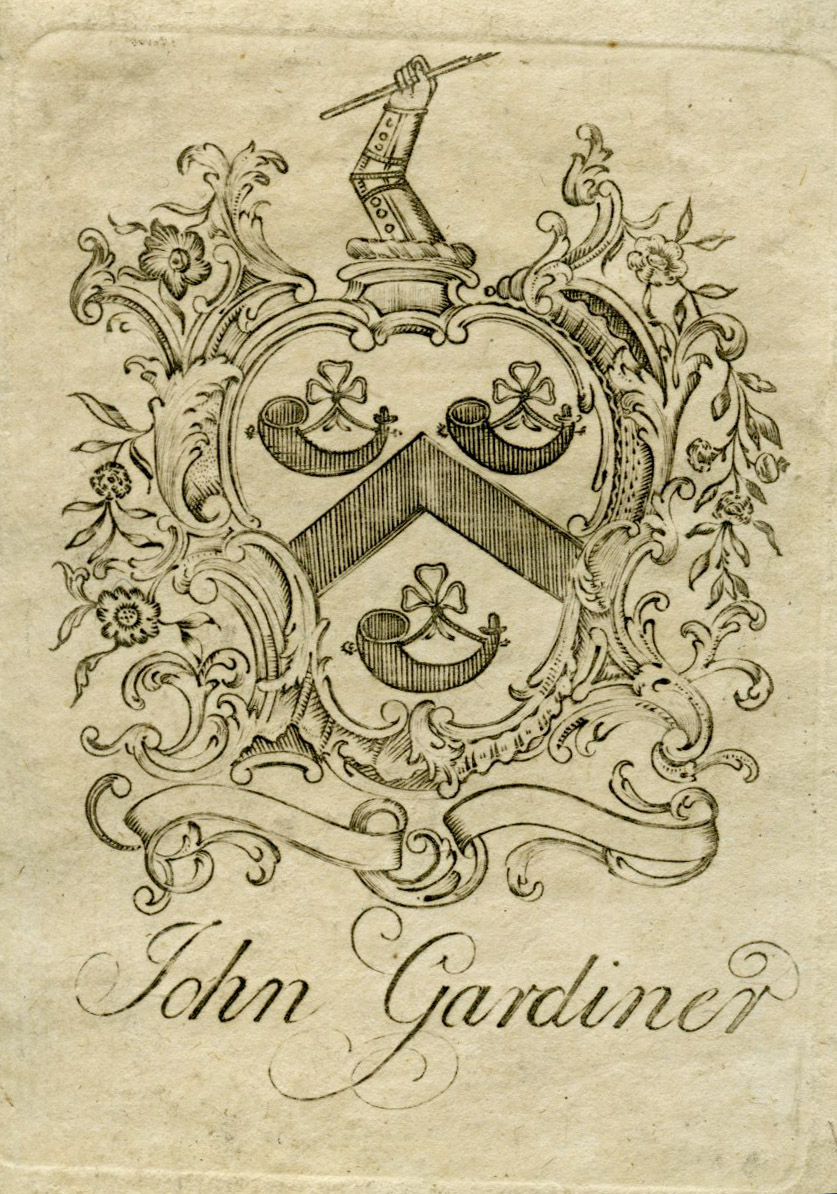
During the French and Indian War, Richard Gridley organized an artillery regiment. Commissioned a second lieutenant, Revere participated during 1756 in the failed expedition against Crown Point. Revere, who augmented his income by becoming an engraver and dentist, was the by the 1760s a master goldsmith, faring well in a city that was struggling economically, squeezed by British tax policies. His clients included both artisans like himself and the city's upper class, whose homes were adorned with Revere-made tea sets and spoons. Even as his business did well, Revere took stock of the situation around him. As others struggled, he sensed that his own livelihood could soon be affected unless issues with the British were soon addressed.
He joined the Freemasons and befriended other activists such as James Otis and Dr. Joseph Warren. As his confidence in his leadership abilities grew, so did his responsibilities. As tensions between the colonies and the British deepened, Revere was tapped to spy on British soldiers and report on their movement. In addition he worked as a courier for the Boston Committee of Correspondence and the Massachusetts Committee of Safety. In a brazen act of defiance, he and others dressed as Indians and dumped tea into Boston Harbor, launching what came to be known as the Boston Tea Party.
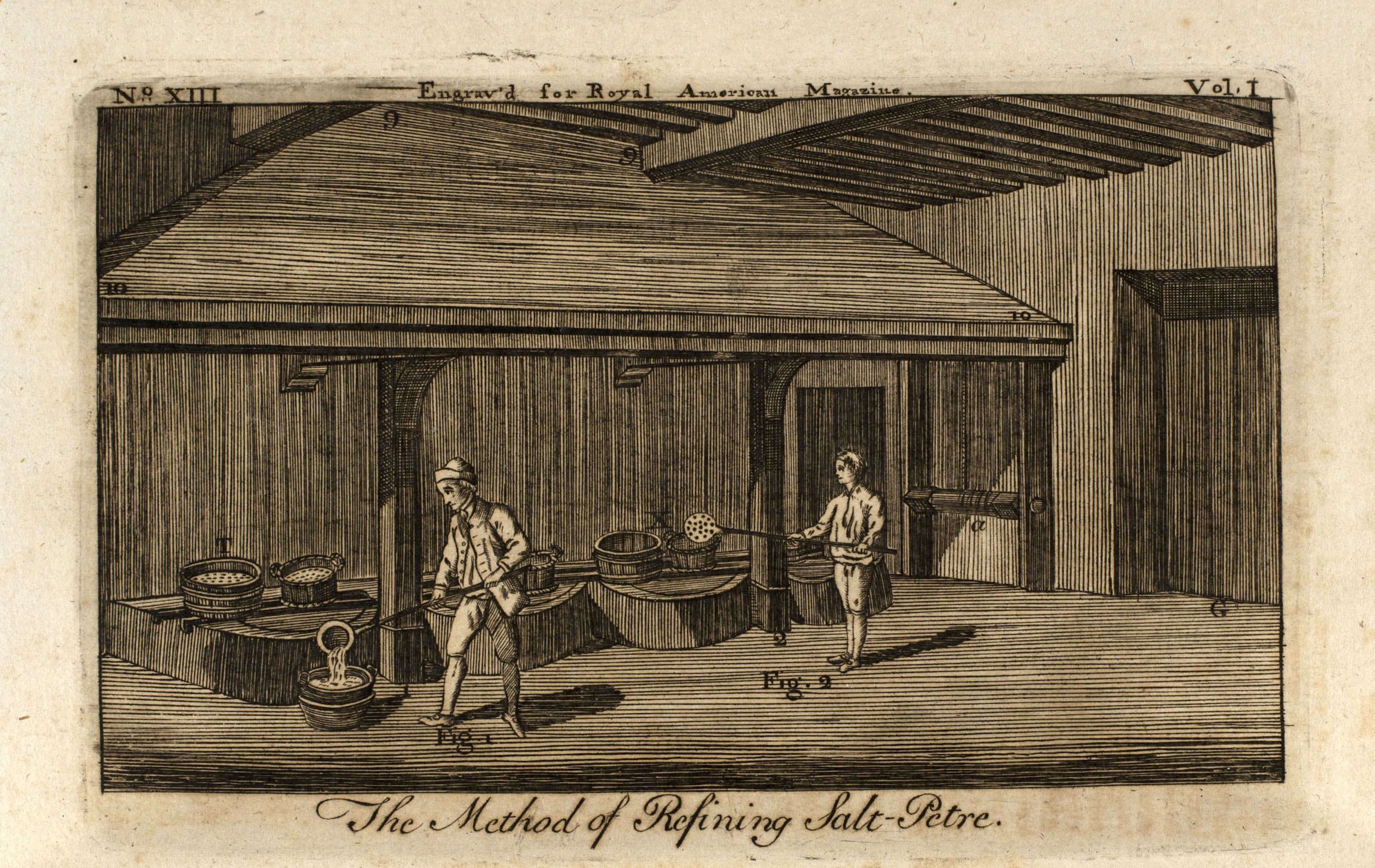
But it was his ride on April 18, 1775, that etched his name into history, especially after it was commemorated later by the poet Henry Wadsworth Longfellow. At 10 that night Revere rode to Lexington to warn John Hancock and Samuel Adams of the approaching British. The Battle at Lexington ensued, and with it, the American Revolution. During the war, Revere donned many different hats. He manufactured gunpowder and cannon for the Continental Army, printed the country's first money, and commanded Castle William at Boston Harbor.
Following the war, Revere continued to build on his reputation as a master craftsman and industrialist. He learned to roll copper and opened the country's first copper-rolling mill. In addition, he operated a hardware store and later a foundry. In his later life, Revere served as grand master of the Masonic Grand Lodge, as one of the organizers of Boston’s first successful mutual fire insurance company, as Suffolk County coroner, and as the first president of the Boston Board of Health. Respected for his work and charitable contributions, including his involvement with the Massachusetts Charitable Mechanics Association, Revere retired from working life in 1811 at the age of 76. He died in his home city of Boston on May 10, 1818.
Achievements
Paul is best known for his midnight ride to alert the colonial militia in April 1775 to the approach of British forces before the battles of Lexington and Concord, as dramatized in Henry Wadsworth Longfellow's poem, "Paul Revere's Ride", written in 1861.
As for religion, although his father attended Puritan services, Revere was drawn to the Church of England. He eventually began attending the services of the political and provocative Jonathan Mayhew at the West Church. His father did not approve, and as a result father and son came to blows on one occasion. Revere relented and returned to his father's church, although he did become friends with Mayhew, and returned to the West Church in the late 1760s.
Politics
Paul Revere was an active in the Sons of Liberty, a political group of American Patriots who wanted liberty for the colonies. Of particular interest to Revere was the question of protective tariffs; he and his son sent a petition to Congress in 1808 asking for protection for his sheet copper business. He continued to participate in local discussions of political issues even after his retirement.
Membership
St. Andrews Lodge of Freemasons
Massachusetts Charitable Mechanics Association
Sons of Liberty
Personality
Paul Revere was a man of many talents and a true revolutionary.
Connections
Paul Revere married Sarah Orne on August 4, 1757, and they had eight common children. Unfortunately, his wife died in 1773. So on October 10, 1773, he married Rachel Walker, and they also had eight children. Rachel died in 1813.