Background
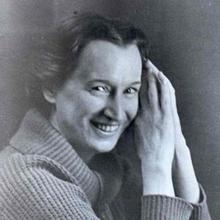
Vera Mikhailovna Krasovskaya was born on September 11, 1915. She was the daughter of Mikhail Krasovskiy and Maria Krasovskaya.


Architect Rossi, 2, St. Petersburg, Russia, 191023
In 1933, Krasovskaya graduated from the Leningrad Choreographic School in the class of teacher Agrippina Vaganova.

Mokhovaya St., 34, St. Petersburg, Russia, 191028
In 1951, Krasovskaya graduated from the theater department of the Leningrad Theater Institute of A. N. Ostrovsky.
Architect Rossi, 2, St. Petersburg, Russia, 191023
In 1933, Krasovskaya graduated from the Leningrad Choreographic School in the class of teacher Agrippina Vaganova.
Mokhovaya St., 34, St. Petersburg, Russia, 191028
In 1951, Krasovskaya graduated from the theater department of the Leningrad Theater Institute of A. N. Ostrovsky.
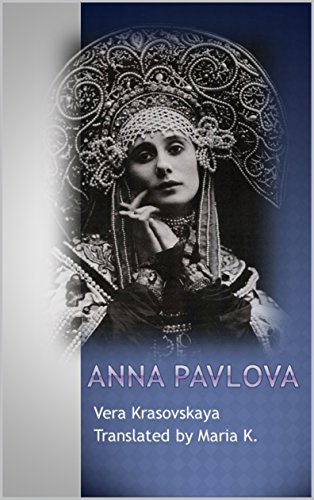
https://www.amazon.com/Anna-Pavlova-Vera-Krasovskaya-ebook/dp/B07FPV5F1Q/?tag=2022091-20
1964
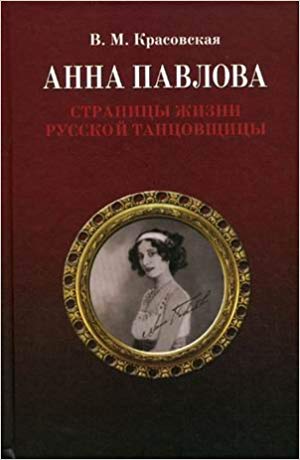
https://www.amazon.com/Pavlova-Russian-dancers-Stranitsy-tantsovshchitsy/dp/5811409028/?tag=2022091-20
1964
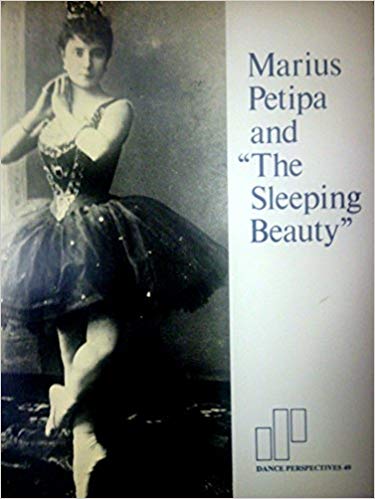
https://www.amazon.com/Marius-Petipa-Sleeping-Beauty-Krasovskaya/dp/B0006VUJYK/?tag=2022091-20
1972
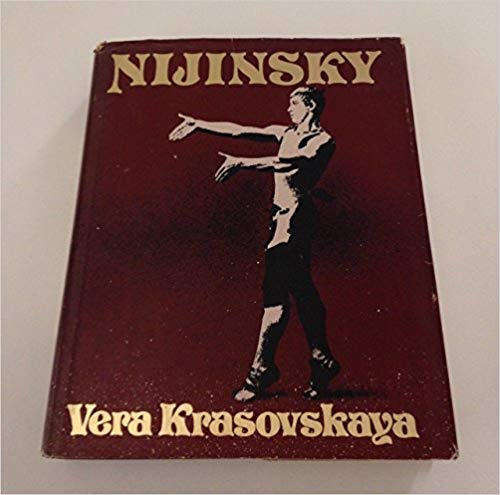
https://www.amazon.com/Nijinsky-English-Russian-Vere-Krasovskaya/dp/0028718704/?tag=2022091-20
1974
https://www.amazon.com/Profili-tantsa-Vera-Krasovskaya/dp/5930100012/?tag=2022091-20
1999
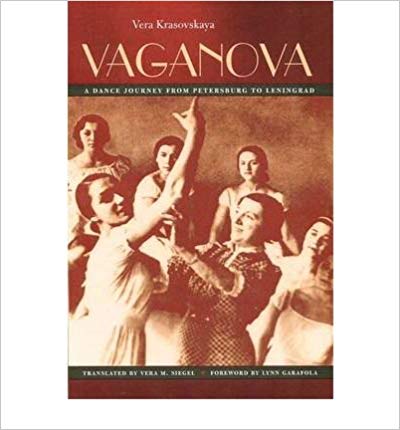
https://www.amazon.com/Vaganova-Journey-Petersburg-Leningrad-Hardback/dp/B00IFGX3FA/?tag=2022091-20
Vera Mikhailovna Krasovskaya was born on September 11, 1915. She was the daughter of Mikhail Krasovskiy and Maria Krasovskaya.
In 1933, Krasovskaya graduated from the Leningrad Choreographic School in the class of teacher Agrippina Vaganova. In 1951, she graduated from the theater department of the Leningrad Theater Institute of A. N. Ostrovsky.
Krasovskaya’s first dance review was published in 1941, the year she quit performing. Shortly thereafter she published the first of a series of eight books on ballet. The series was split into two, four-volume sets. Ballet Theater in Russia focused on choreographers and was completed in 1972. The second volume, Western European Ballet Theater, was published in 1996. While working on her historical sets Krasovskaya also researched and wrote biographies of other Russians involved in dance, including Anna Pavlova and Agrippina Yakovlevna Vaganova, under whom she had studied. Only one book, Nizhinskii, was published in English.
Krasovskaya’s is most commonly known as a ballet critic. She has published over 100 articles on the development of modern choreography. Among them are reviews of landmark ballet performances, articles about the work of leading ballet masters, reviews of Leningrad ballet seasons. The most important work of Vera Krasovskaya is the first in the history of art history the fundamental history of Russian ballet. The school of professionalism obtained in the class of Vaganova and on the stage of the Mariinsky Theater, together with a high, aristocratic culture, encyclopedic knowledge, brilliant knowledge of languages, allowed V. M. Krasovskaya to become the largest art critic. Some of her works have been translated into English, German, Polish, Czech. For her efforts, she received the Triumph Prize in 1999 for having added to Russian culture.
Krasovskaya danced professionally for only eight years, because she wanted to learn more about the history of art and because she was too lazy to become a really good dancer.
Krasovskaya did not shy away from criticizing her fellow dancers or productions, hoping the art would not stagnate from tradition.
In 1949, Krasovskaya married David Zolotnitskiy.