Background
Schumacher was born in Hagen, Germany, on August 29, 1912. He was the third child of Emil and Anna Schumacher.
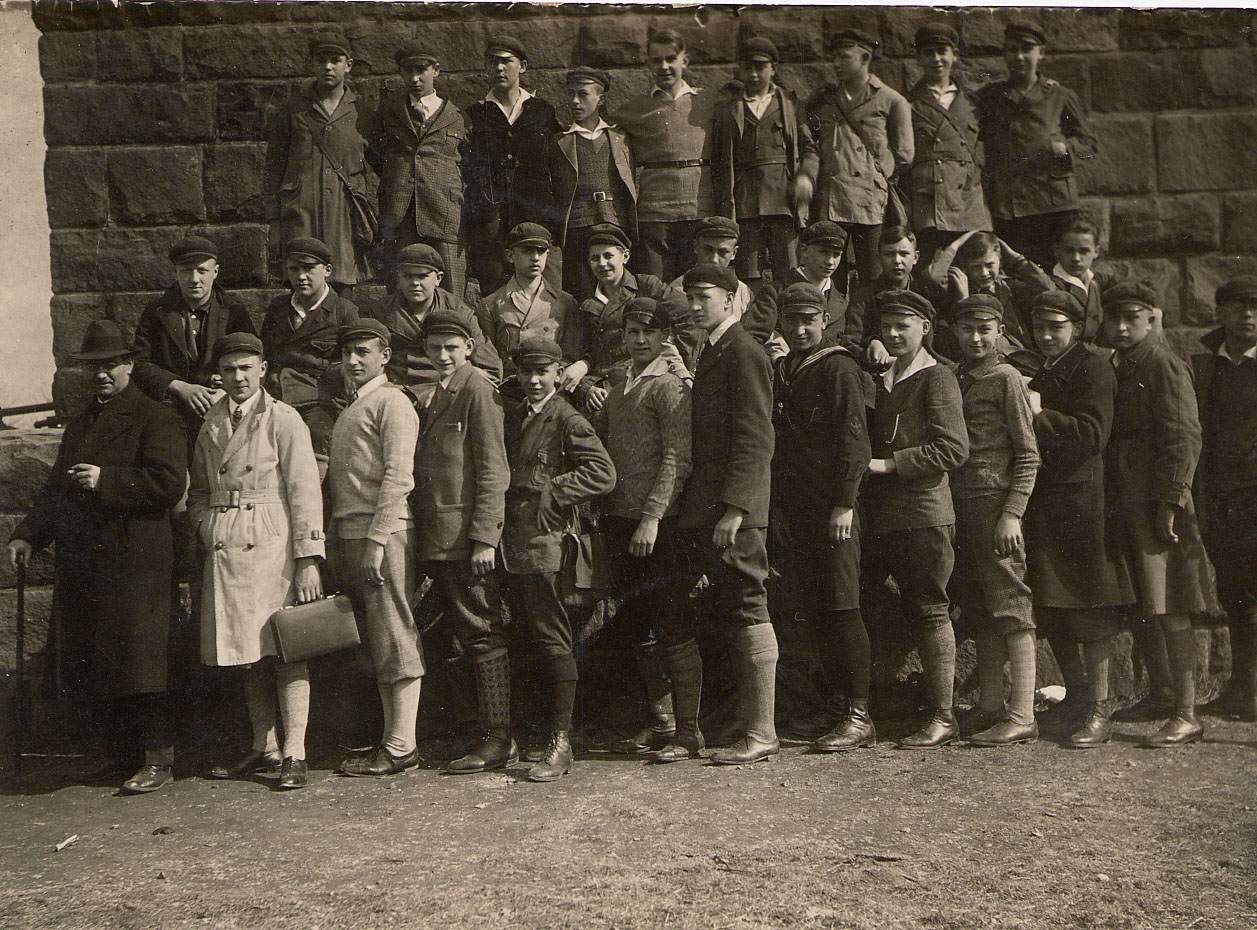
1929
Barmen, Germany
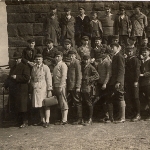
As secondary school student in Barmen, 1929. Emil Schumacher is third person from left in front row.

Germany
As a student in a class photograph, 1926. Emil Schumacher with suspenders in the middle of the front row.
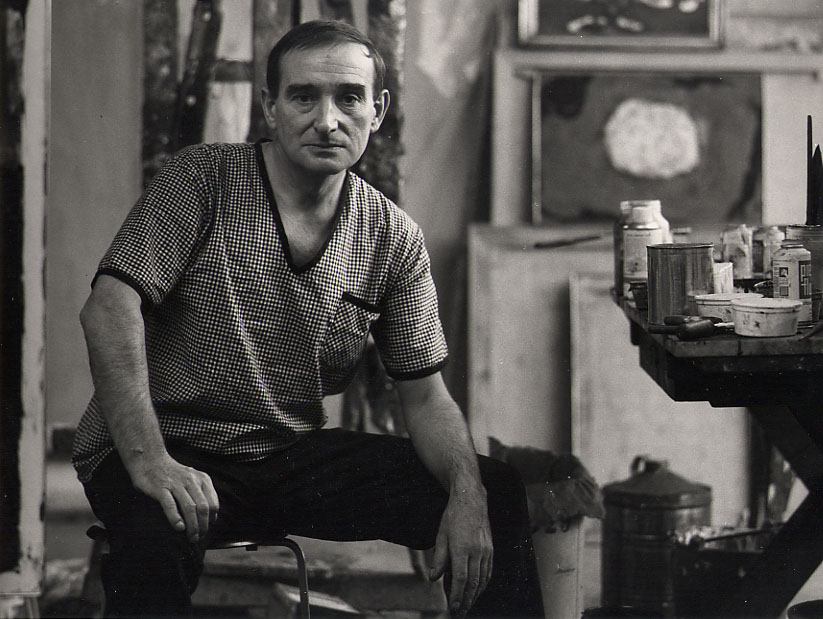
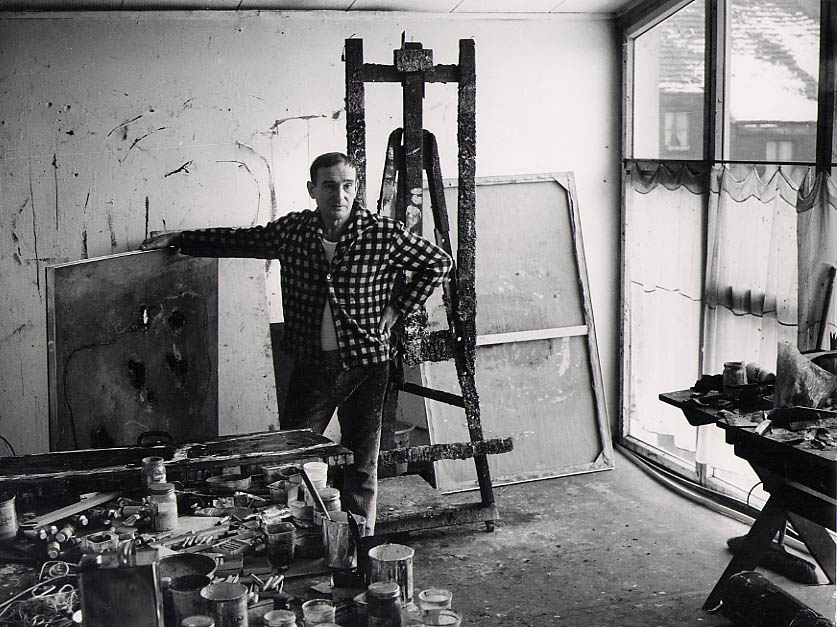
1966
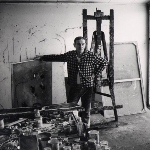
Emil Schumacher in his studio.
1967
Emil Schumacher in his studio.

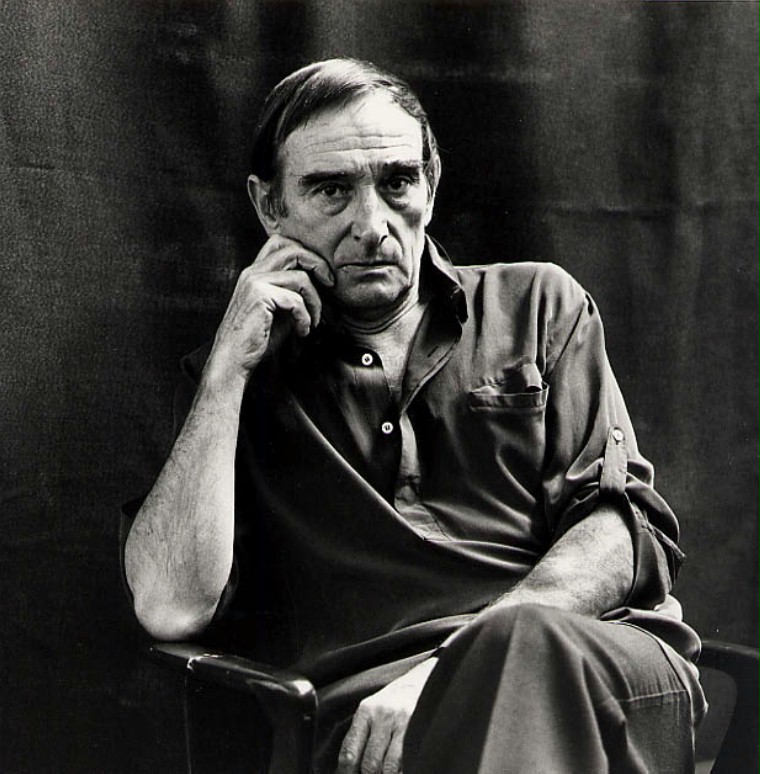
1987
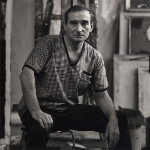
Emil Schumacher by Mark Leonhard.
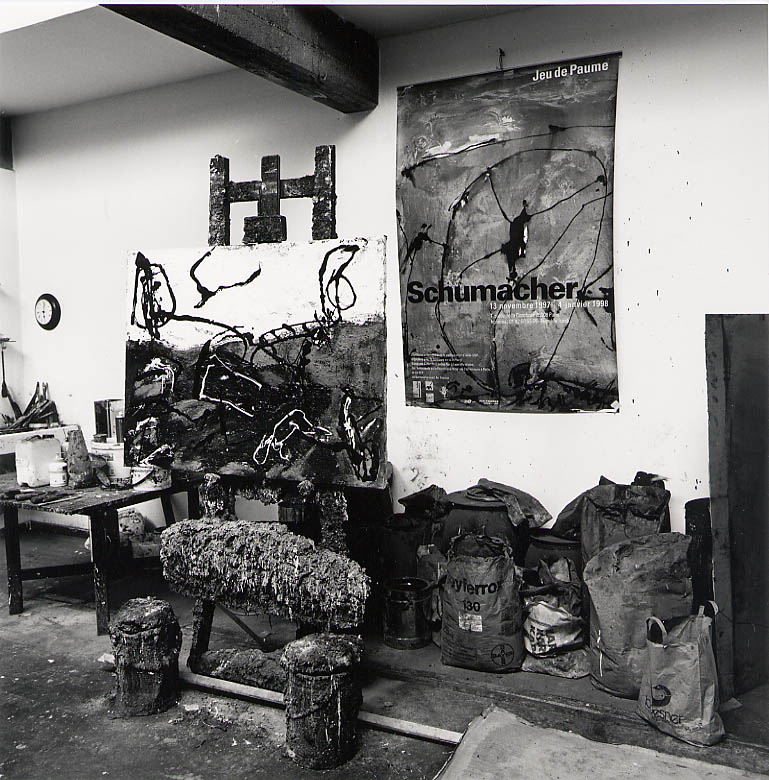
1997
Emil Schumacher's studio.

Emil Schumacher painting.
1929
Barmen, Germany
As secondary school student in Barmen, 1929. Emil Schumacher is third person from left in front row.
1966
Emil Schumacher in his studio.
1967
Emil Schumacher in his studio.
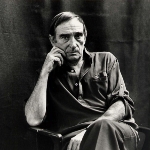
1981
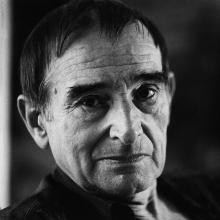
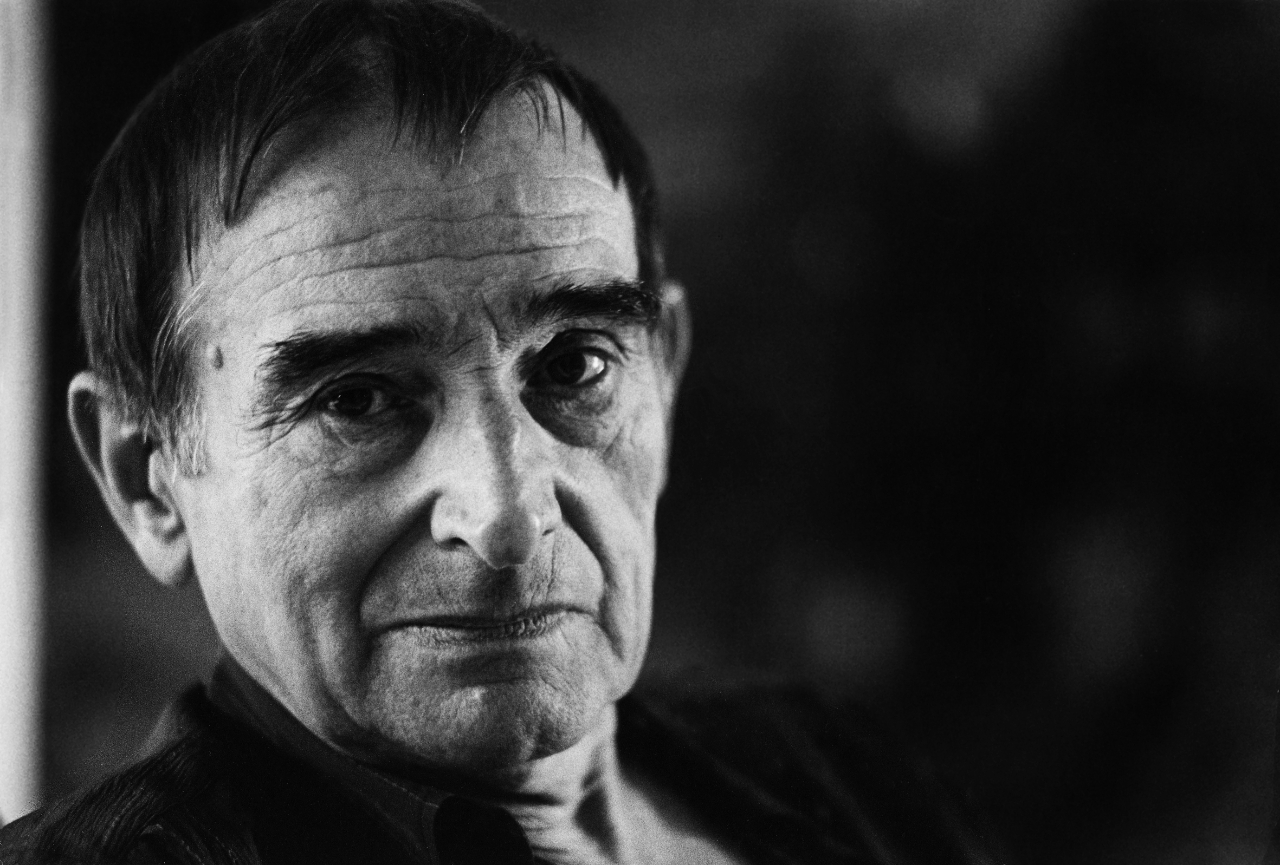
Emil Schumacher.
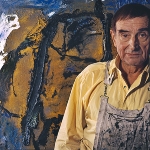
1987
Emil Schumacher by Mark Leonhard.
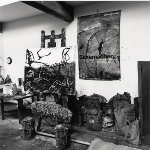
1997
Emil Schumacher's studio.
Germany
As a student in a class photograph, 1926. Emil Schumacher with suspenders in the middle of the front row.
Emil Schumacher painting.


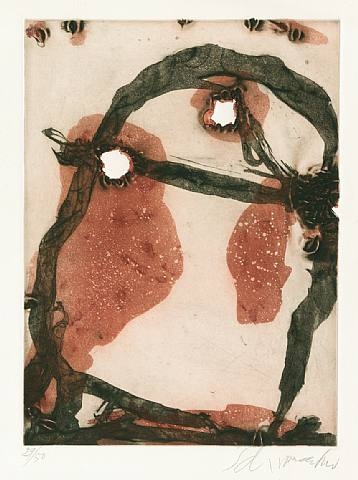
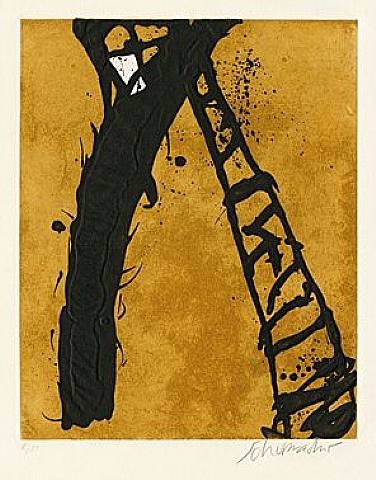
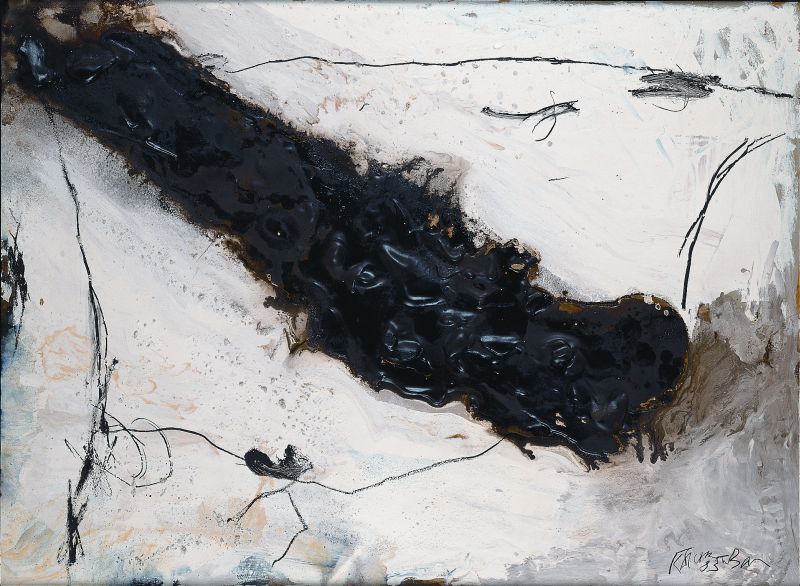
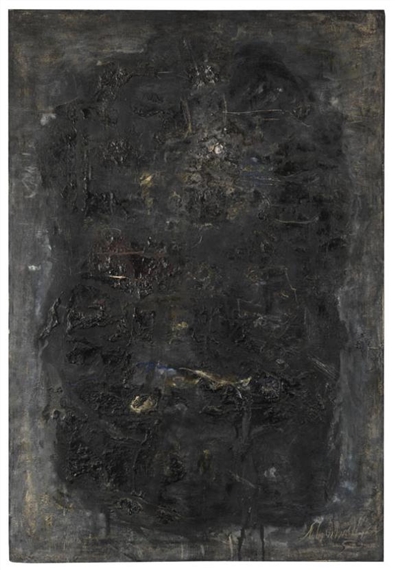
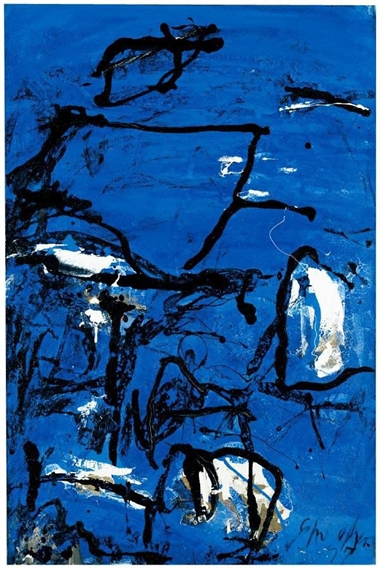

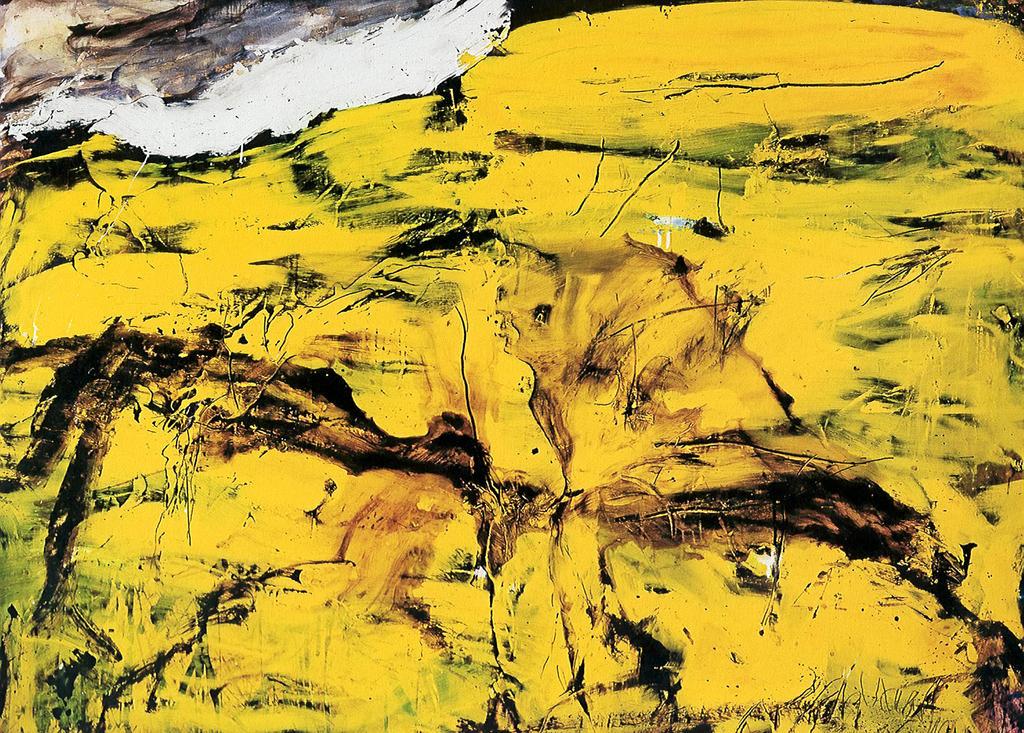
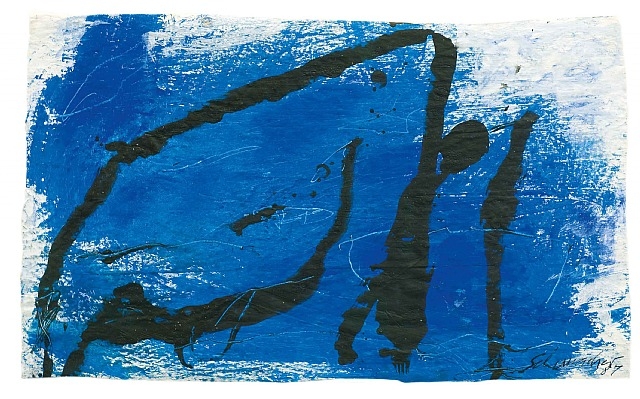

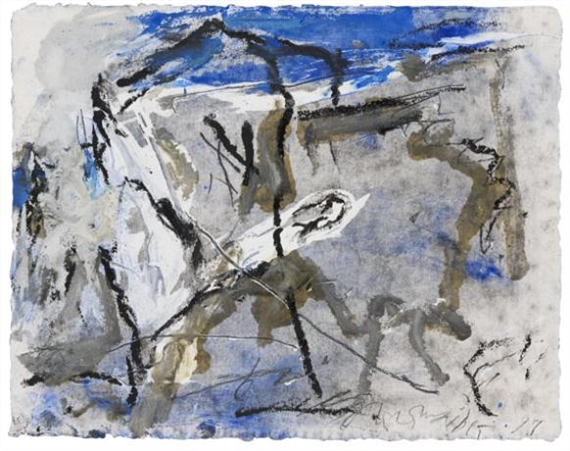
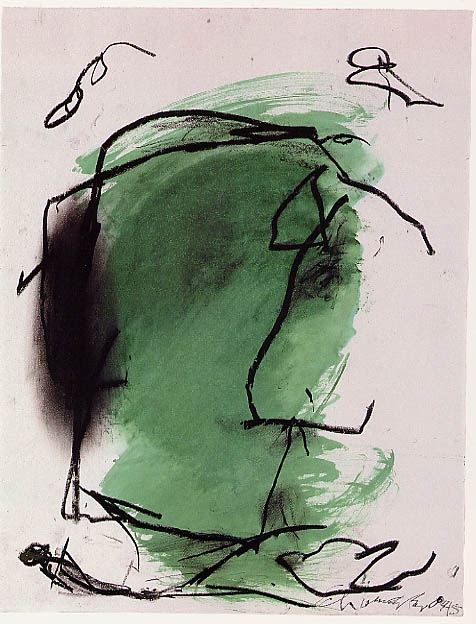

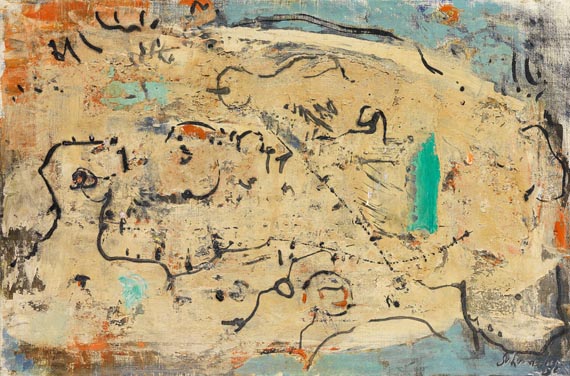
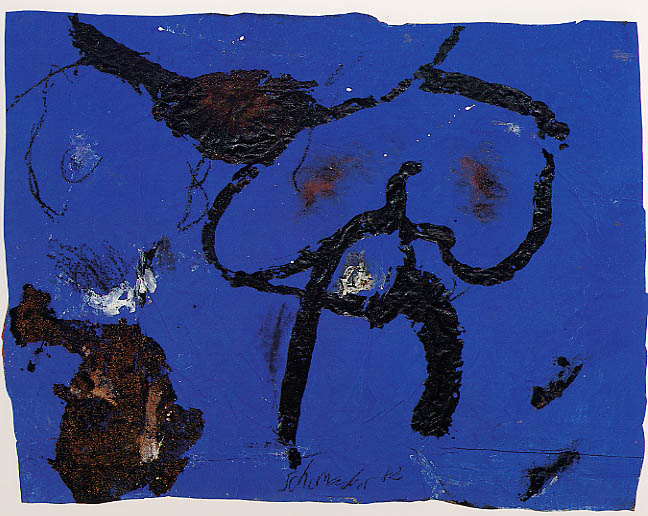
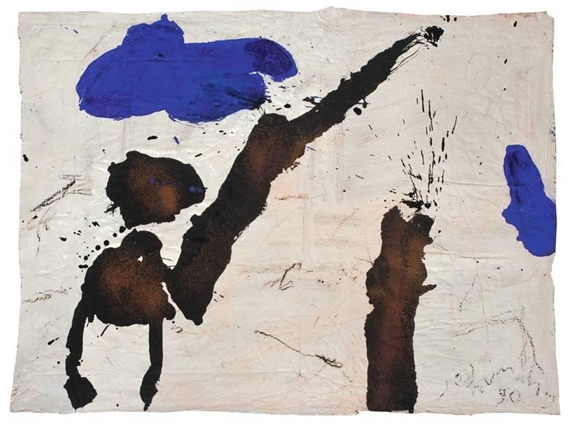

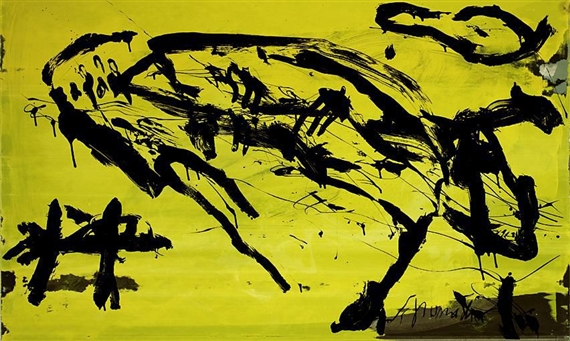

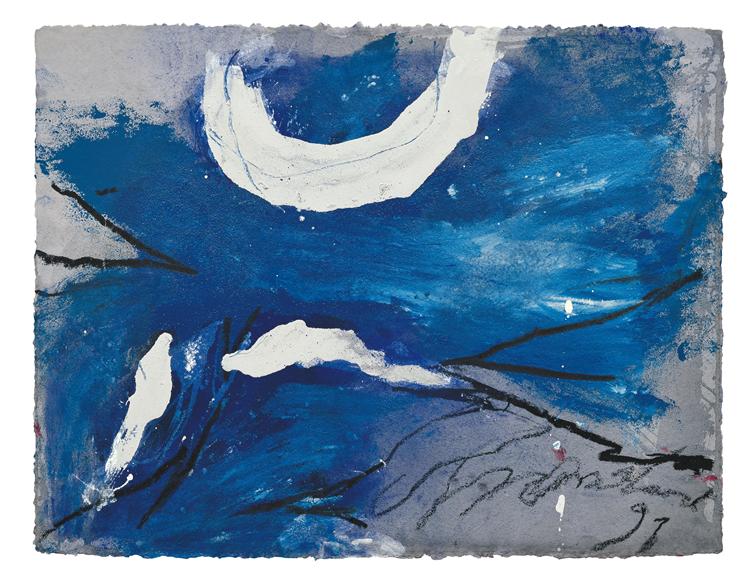
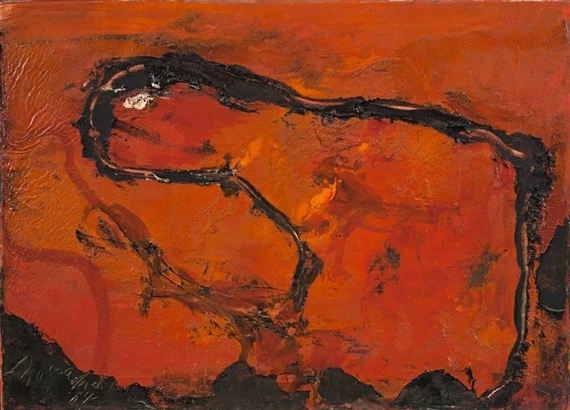
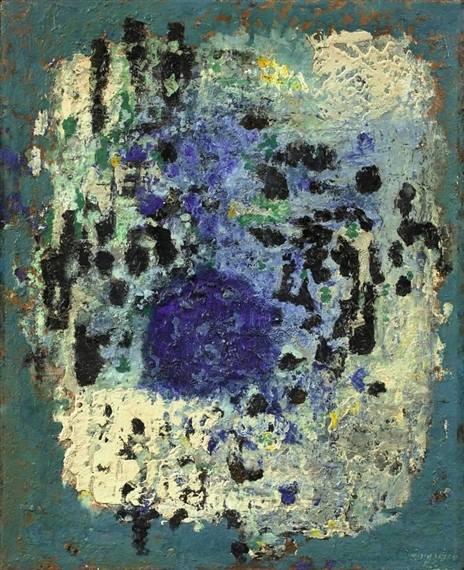
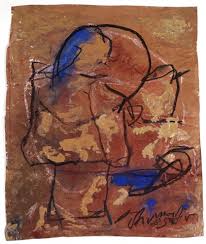
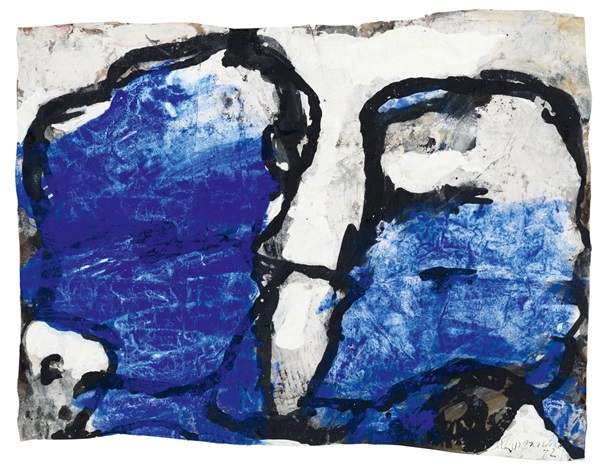
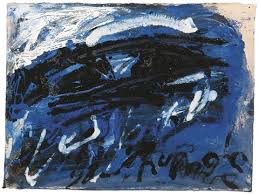
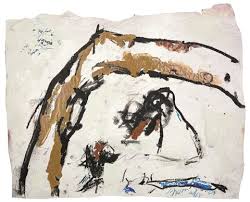
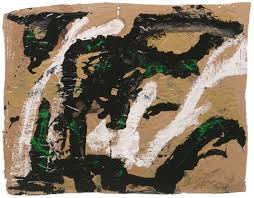
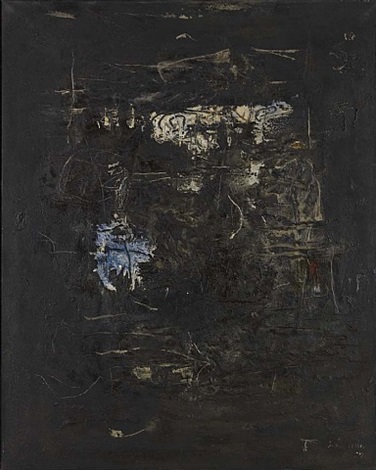
Schumacher was born in Hagen, Germany, on August 29, 1912. He was the third child of Emil and Anna Schumacher.
Emil Schumacher attended secondary school in Hagen, Germany, from 1926 to 1931. When he was an 18-year-old teen, he went on a four-week-long bicycle tour to Paris, France. Between 1932 and 1935 Schumacher studied graphic design at the School of Applied Arts in Dortmund (now Dortmund University of Applied Sciences and Arts), having an intention to become an advertising graphic designer.
Schumacher started working as a freelance artist in 1935 and didn't participate in any exhibitions. In 1939 he was appointed technical draftsman in an armaments company, the Akkumulatoren-Werke of Hagen. After World War II, Emil Schumacher again became an independent artist. In 1947 he participated in the exhibition Junge Künstler Zwischen Ruhr und Weser in Recklinghausen. As a result of the exhibit the artist’s association Junger Westen was formed. The group aimed to restore the connection to Modern Art, which was lost in the time of the Third Reich.
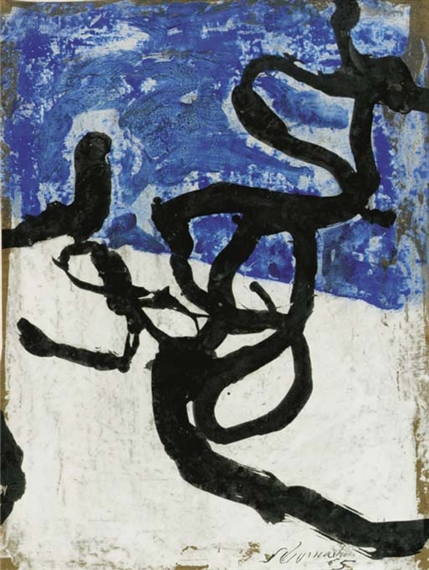
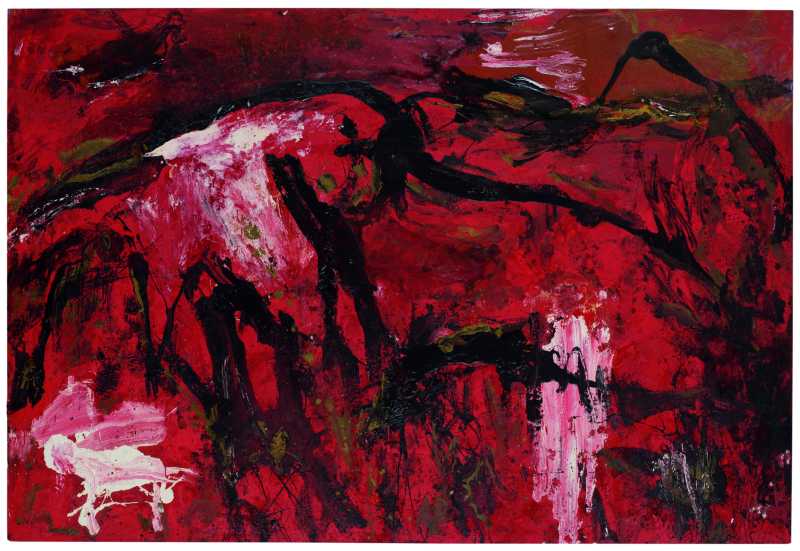
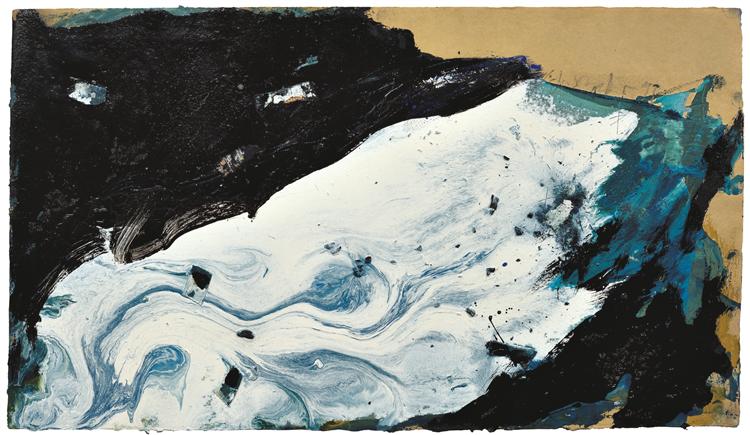
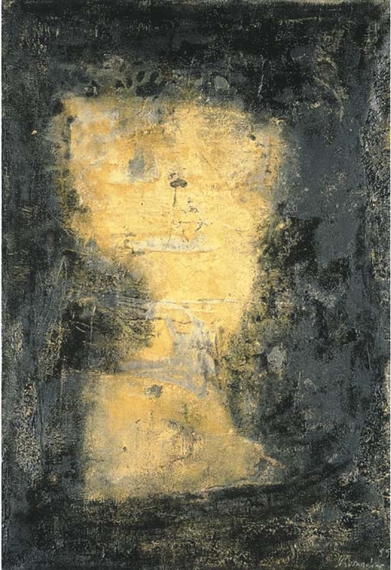
The style of Emil Schumacher's work changed drastically in the year 1950. He abandoned painting objects and turned towards the expressive power of painting alone. Colour itself became the pivotal element of his artworks. Abstraction became a typical aspect of his personal style.
In 1954 Schumacher took part in the Willem Sandberg exhibition Deutsche Kunst nach 45 (German Art after 1945) at the Stedelijk Museum Amsterdam, and the following year in the exhibition Peintures et sculptures non-figuratives en Allemagne d’aujourd’hui in Paris. He produced his first ’Tastobjekte’ (tactile objects) in 1956. In 1958 the artist travelled to Spain, Italy, and Tunisia. The same year he participated in Biennale di Venezia, Italy.
Between 1958 and 1960, he served as a professor at the Hochschule für bildende Künste Hamburg (University of Fine Arts). In 1959 Schumacher took part in the documenta II in Kassel, Germany, as well as the V. São Paulo Art Biennial, Brazil. That year his first solo exhibition was organized in New York at the Samuel M. Kootz Gallery. He extensively travelled during 1962, visiting Libya, Tunisia, Italy. During the late 1960s and early 1970s, the artist experimented with an action painting, which was reflected in his "Hammerbilder" (Hammer Paintings).
From 1966 till 1977 Emil Schumacher worked at the Academy of Fine Arts, Karlsruhe, and in 1967-1968 he was a guest professor at the Minneapolis School of Art, Minneapolis. Since 1971, he frequently stayed on Ibiza, mostly during springs and summers. In October 1988 he stayed for 10 days in Irak. That year he designed and created a 20 m long ceramic wall in the new building of the Landtag of North Rhine-Westphalia.
Schumacher was a guest professor at the Concorso Superiore Internazionale del Disegno of the Fondazione Antonio Ratti, Como, Italy, in 1991. He designed a 20 m long and 3 m high mosaic wall for the Colosseo (Rome Metro) in Rome, Italy, in 1996. In 1998, the German government commissioned him for a mural in the renovated Reichstag building in Berlin.
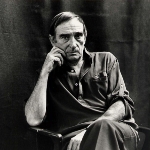
Emil Schumacher became internationally renowned and eulogized in the middle of the 1950s as one of the most important artists of the Informel. He was a pioneer of German Abstract Expressionism in post-World War II Germany.
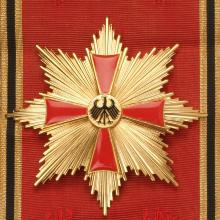
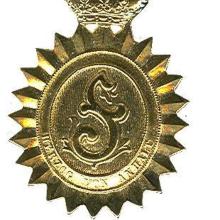
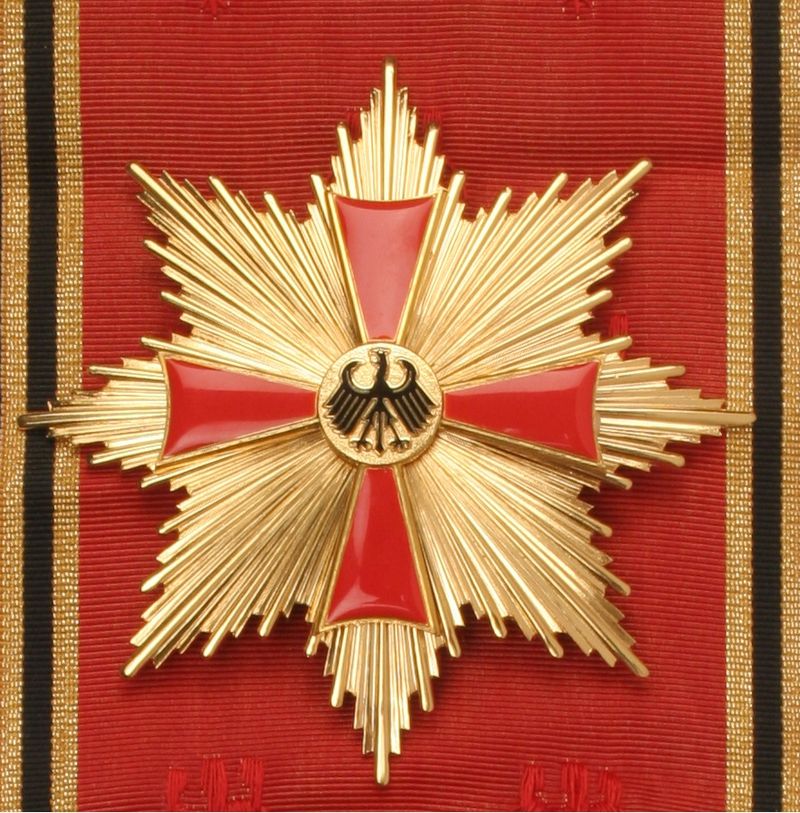
He was awarded numerous international prizes, starting with the Guggenheim Award in New York in 1958. Among his other awards were the following: Award from the Japanese Cultural Minister in celebration of the V. International Art Exhibition, Tokyo, 1959; Großer Kunstpreis (Great Art Award) of North-Rhine Westphalia, Düsseldorf, Germany, 1963; Prize of the Governor of Tokyo, in celebration of the 5th International Biennale Exhibition of Prints, Tokyo, Japan, 1966; Receives First Class Cross of Merit from the Order of Merit of the Federal Republic of Germany, 1968; the Order of Merit (Pour le Mérite) of Sciences and the Arts, in 1982; Award of the European Academy of Fine Arts, Trier, Germany, 1987; Harry-Graf-Keßler Award from the Association of German Artists, 1991; etc.
The Emil Schumacher Museum dedicated to his life and art was opened in the Kunstquartier complex of Hagen, Germany in 2009.
Emil Schumacher became a member of the Academy of Arts Berlin, Germany, in 1968; and the Academy of the Arts of Saxony (Sächsische Akademie der Künste), Dresden, Germany, in 1999.
Emil Schumacher married Ursula Klapprott in 1941. The couple produced one child.