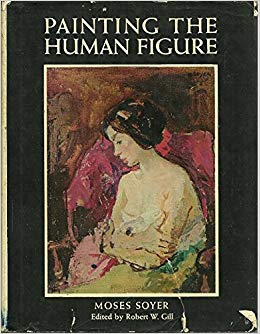
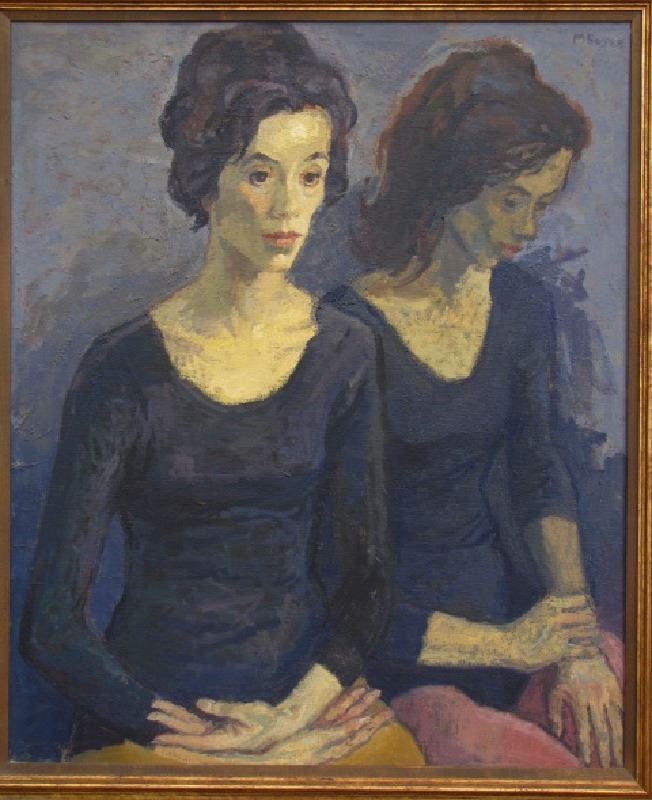
(Moses Soyer is one of America's most famous painters of t...)
Moses Soyer is one of America's most famous painters of the human figure. In this truly significant art instruction book, he reveals his own methods of painting the nude and clothed figure, and analyzes the methods of other masters, past and present. Writing in a warm, lively, personal manner, Soyer shows every student, teacher, professional painter, and serious amateur how to master this inspiring and ever-popular art subject.
(The reader looks over the shoulder of noted painter Moses...)
The reader looks over the shoulder of noted painter Moses Soyer step-by-step as he completes an oil painting. A unique work. Many photos depict the process.
Moses Soyer was an American social realist painter.
Background
Moses Soyer was born on December 25, 1899 Borisoglebsk, Voronezh, Russian Federation. His father was a Hebrew scholar, writer and teacher. His family emigrated to the United States in 1912. Moses had a twin brother, Raphael, and a younger brother, Isaac, who also became painters.
Education
As a very young boy, Moses Soyer was taught by a family friend, a colonel in the Cossack army, whose gift of a landscape drawing he copied. His father encouraged his aspirations in art. Between 1916 and 1920 he studied at the National Academy of Design School, where he came to appreciate the work of John Singer Sargent; the Ferrer School in Harlem, where he was influenced by Robert Henri, who showed him the drawings of the French realist Honore Daumier.
Career
In 1910, when his father went with him to Moscow to have the family's pet cat inoculated, Moses Soyer saw his first paintings of established artists in the Tretiakov Museum. Influenced by that he next year, on a visit to Lutzin near Vitebsk, he and Raphael sold their drawing of a castle, which they duplicated a hundred times.
In 1912 the Soyers were banished from Russia, because of their association with suspected subversives, and came to Philadelphia to live with relatives. The next year they settled in the Bronx. Moses' father taught at a yeshiva on Henry Street in Manhattan. The three boys attended P. S. 9. Moses Soyer sold newspapers, tended soda fountains, and worked in the Columbia University Library. To help make a living he worked as a proofreader for the Morgen Journal and wrote on art for the Philadelphia magazine The Guardian and the Yiddish newspaper Der Amerikaner.
Moses Soyer went to Boston to see Sargent's murals for the Central Library, but the artist he idealized above all was Rembrandt. A few weeks he went off to Paris. He drew a great deal, often from the models at the Academie de la Grande Chaumiere. Back in America, he came to admire the dance pictures of Degas.
In December 1928 Moses Soyer had a one-man show at Neuman's Art Circle Gallery in New York. During the Great Depression, the artist painted for the WPA Art Project, and Ida earned money as a dancer at Jacob's Pillow and at the Rainbow Room. Except for a handful of landscapes and still lifes, he focused on the human figure. Yet his sitters are only somewhat individualized; they are invariably benign, even ennobled. His works appear at the Metropolitan Museum of Art, the Museum of Modern Art, and the Whitney Museum in New York City, as well as in the Phillips Memorial Gallery in Washington.
Moses Soyer died in the Chelsea Hotel in New York while painting dancer and choreographer Phoebe Neville.
Achievements
Moses Soyer was a famous social realist painter, among his more memorable portraits are those of elderly modernist painters, seemingly resigned to their old age and the current disregard of the public, Abraham Walkowitz (1944) and Joseph Stella (1943). With Raphael he made a mural for the WPA at the Kingsessing Station Post Office in Philadelphia. Soyer liked to explain to the public what his fairly consistent art expressed and was highly rexpected for that.
(Moses Soyer is one of America's most famous painters of t...)
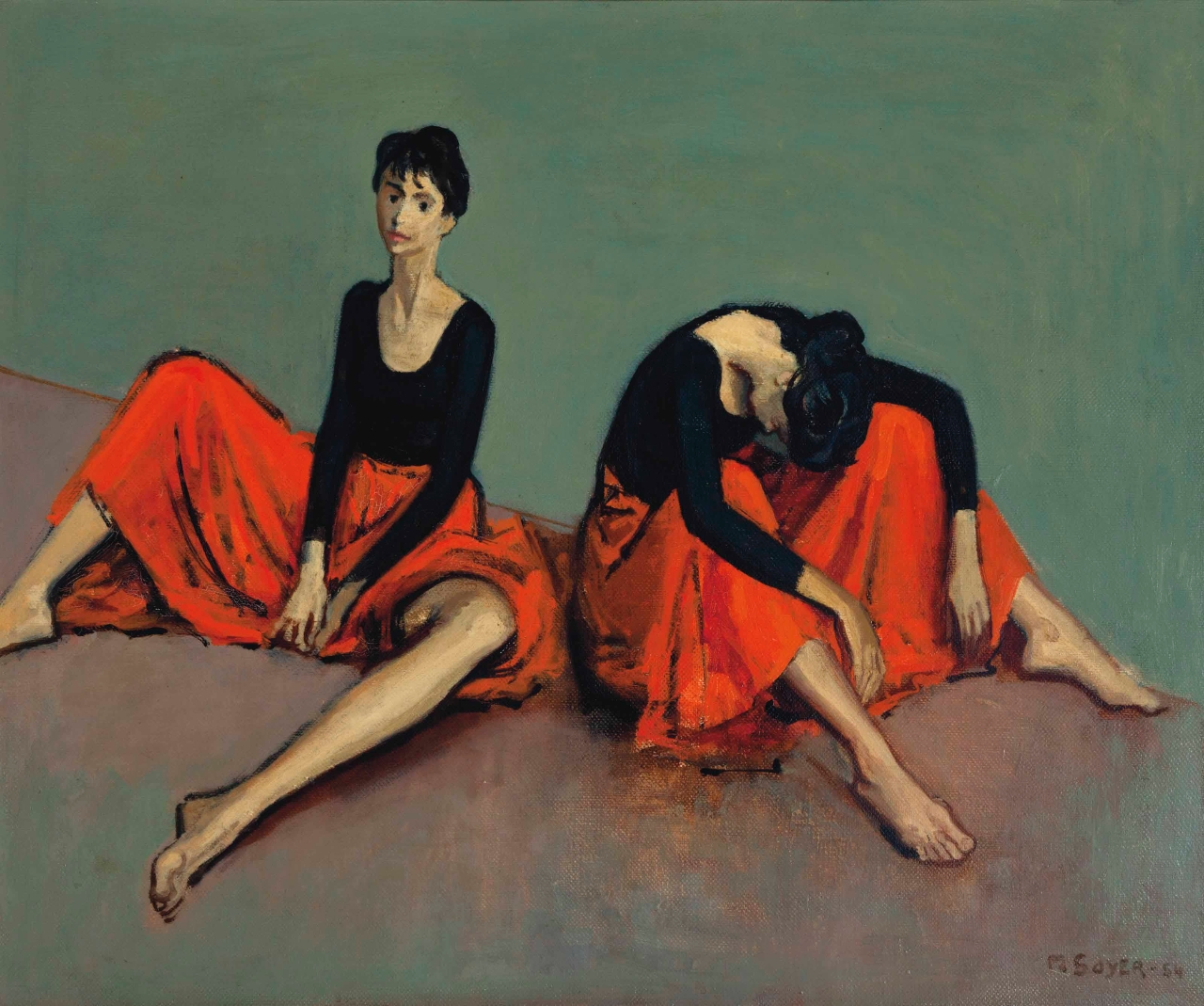
1964
painting
painting
painting
painting
painting
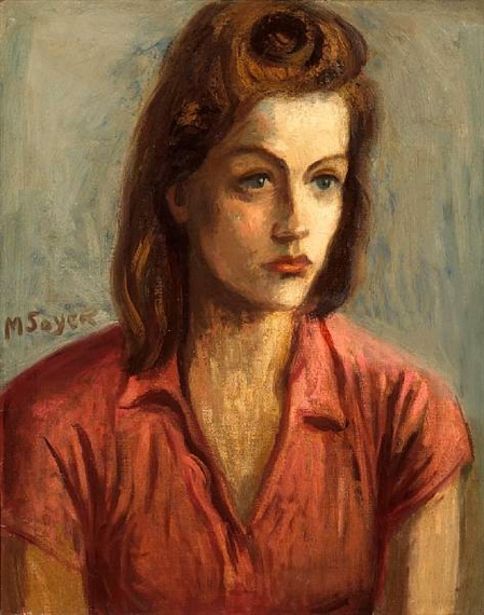
A portrait of a woman in a red blouse
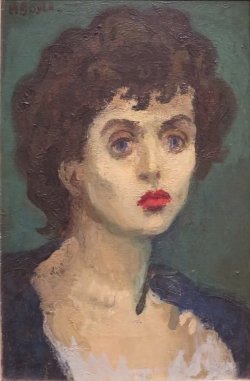
Untitled painting
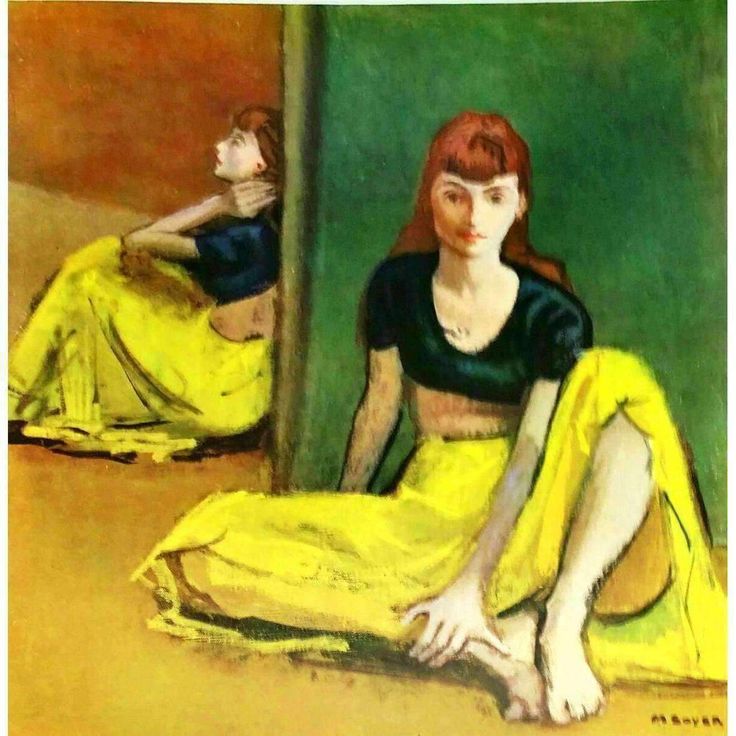
Dancers Resting
painting
Dancers
painting
Views
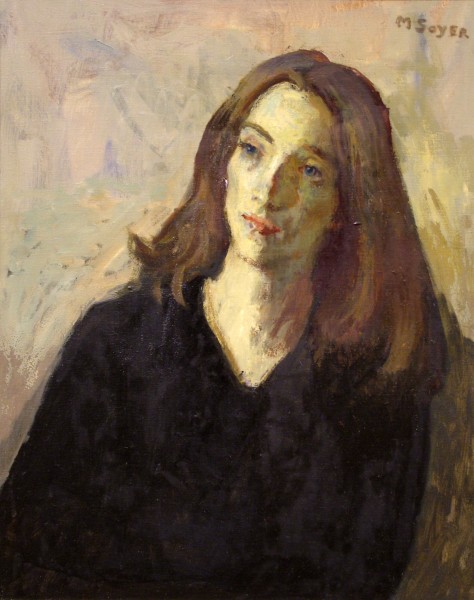
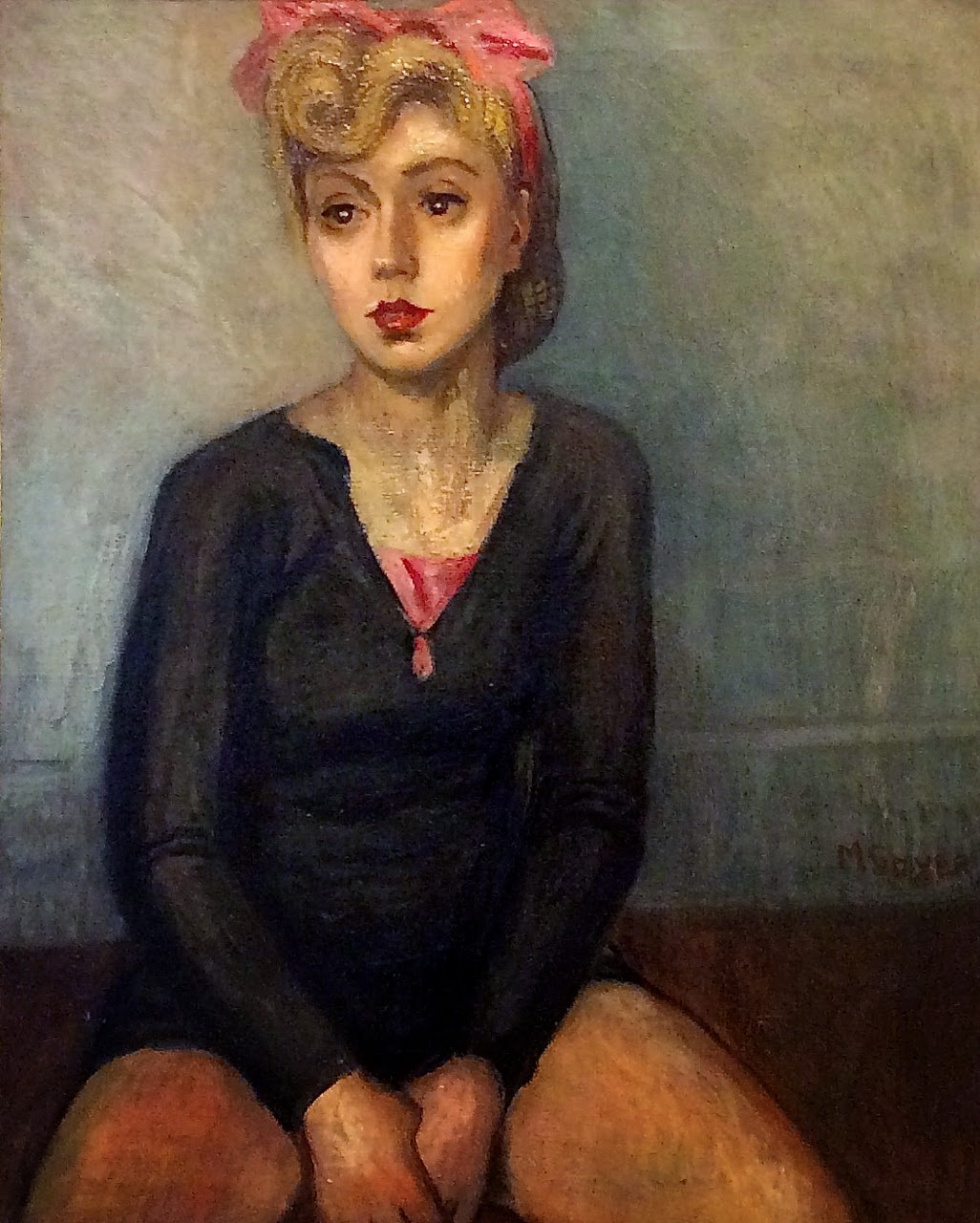
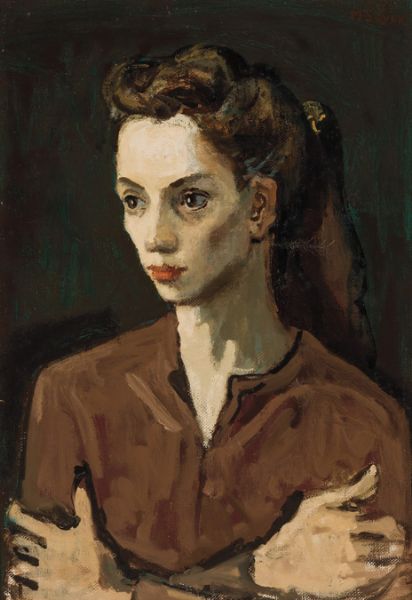
The people Moses Soyer painted invariably seem reflective and tinged with a gentle melancholy. Never are they engaged in violent action. Bypassing modernism, avoiding the American scene of a midwestern or southern locale as shown in the paintings of the Regionalists, Moses Soyer continued what was for him the humanist tradition in art. Mainly a portraitist, Moses Soyer was warmly expressive, and always took care to uphold the dignity of his sitters.
Quotations:
"Most of my paintings reflect an interest in the casual moments in the life of plain people, the gestures and natural attitudes they fall into when they perform habitual tasks, when they are in thought, and when they are not observed by other people. I like painting people who are not necessarily the most beautiful in the world, but people who to me are interesting, who have something in their faces that intrigues or baffles me."
Membership
He was elected to the National Academy of Design in 1963 and in 1966 to the National Institute of Arts and Letters.
Connections
On June 29, 1926, Moses Soyer married Ida Chassner, a student of dancing and acting, who had posed for him. They had one son.
Father:
Abraham Soyer
Abraham Soyer was a teacher and professional writer. Abraham Soyer, who taught Hebrew literature and history, often entertained the family with stories from Russian and Hebrew literature.
Mother:
Bella Schneyer
Bella Schneyer was an embroiderer of towels and tablecloths.