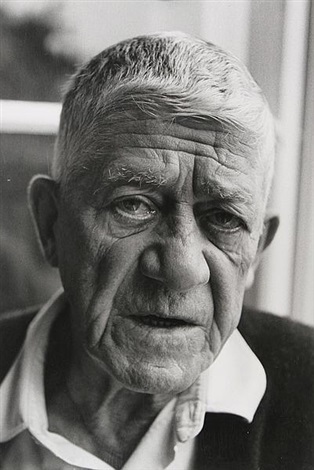
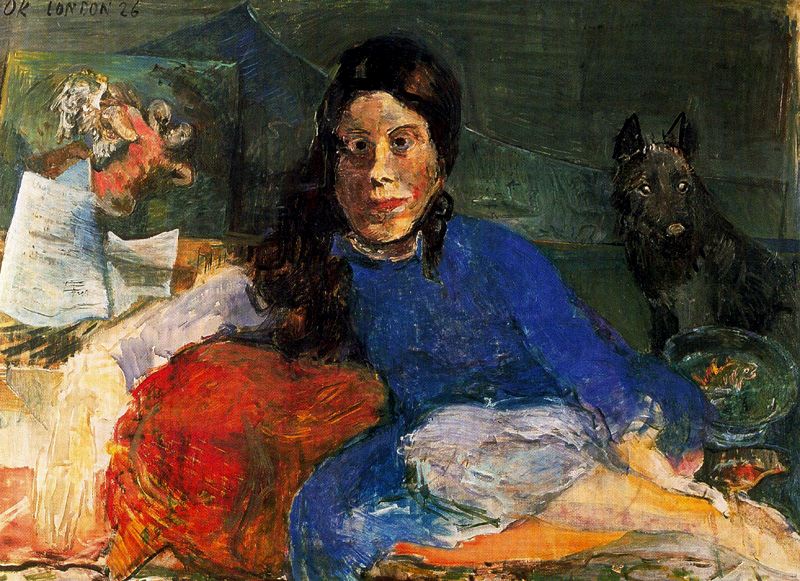
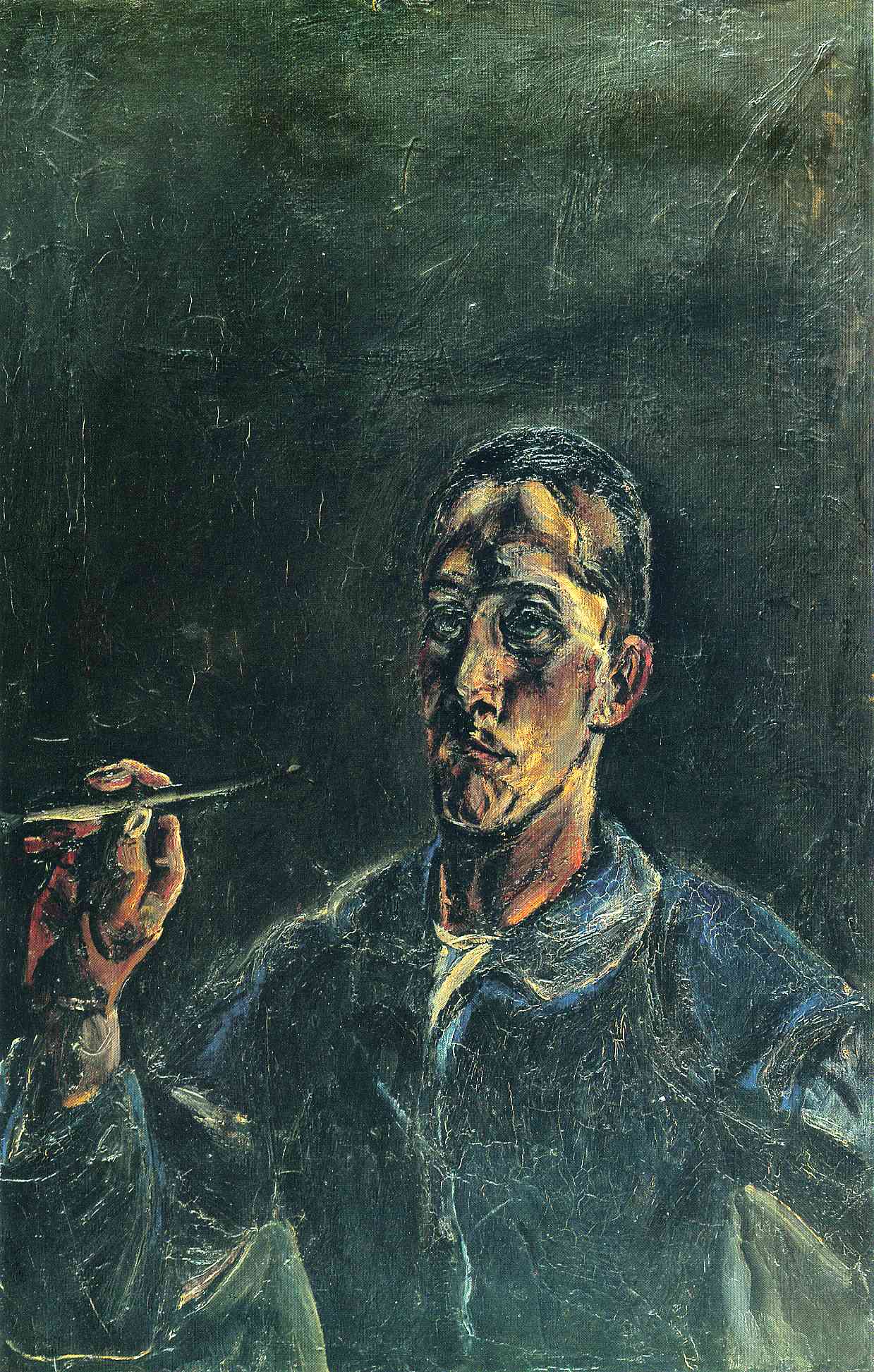
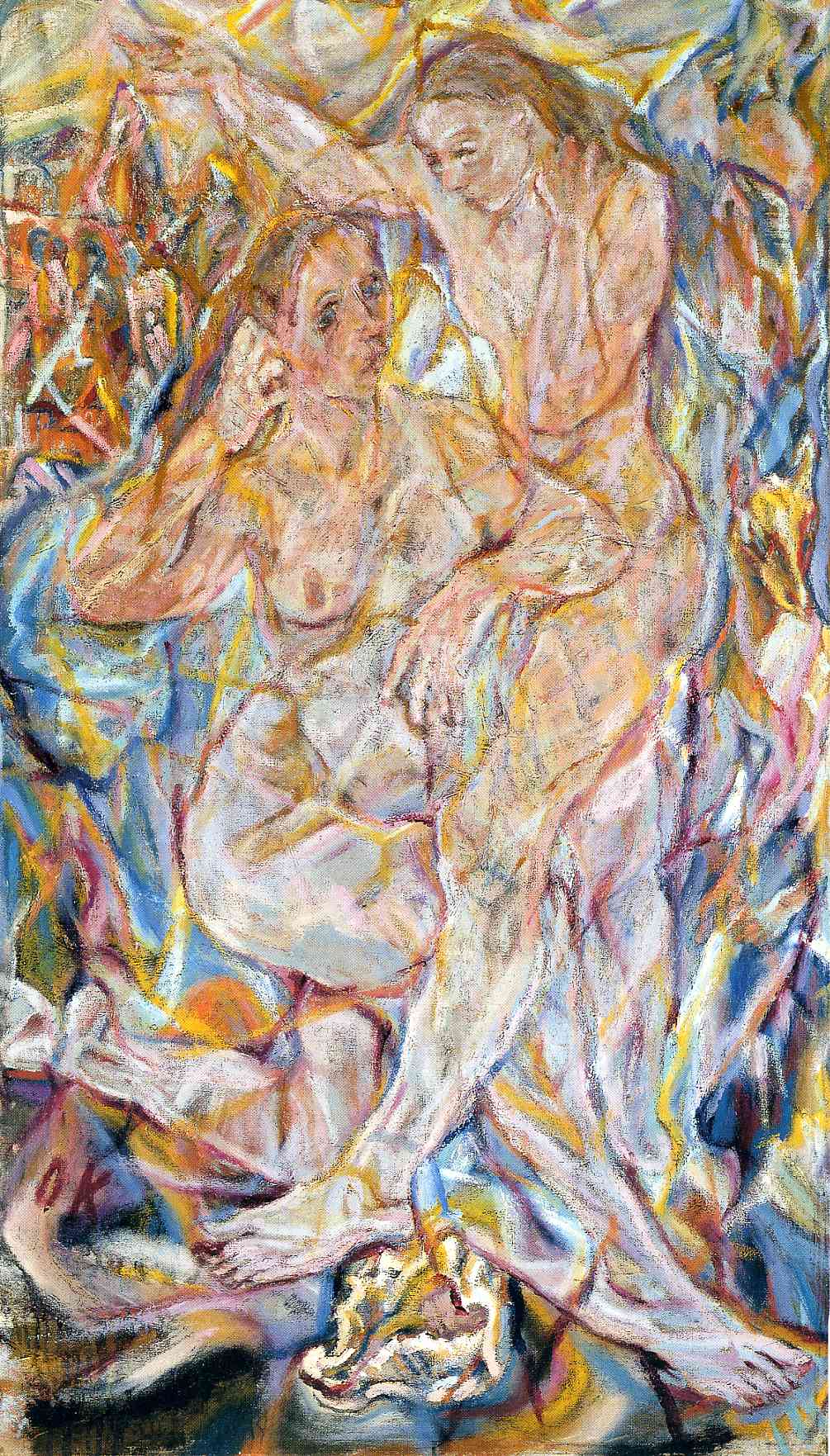
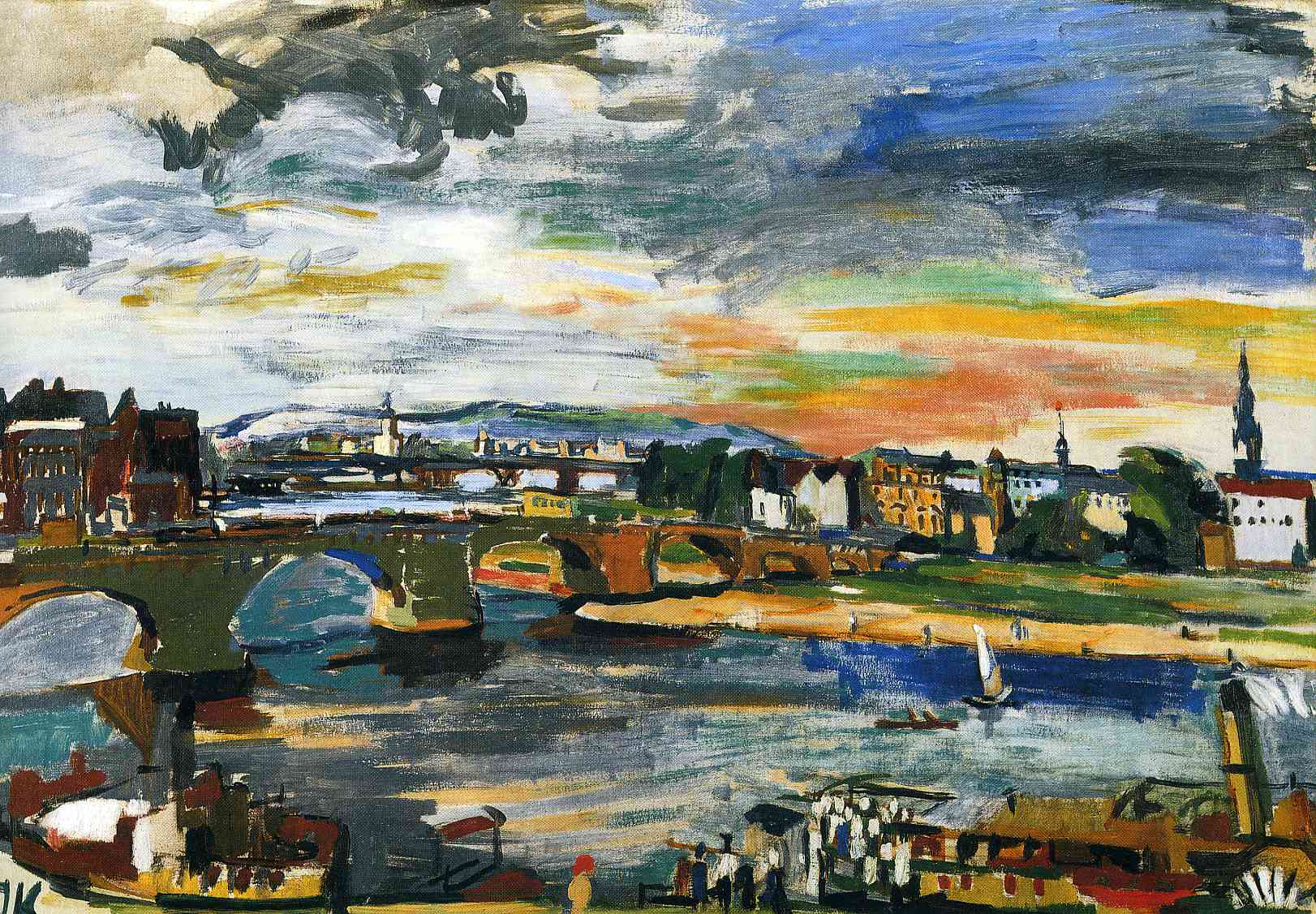
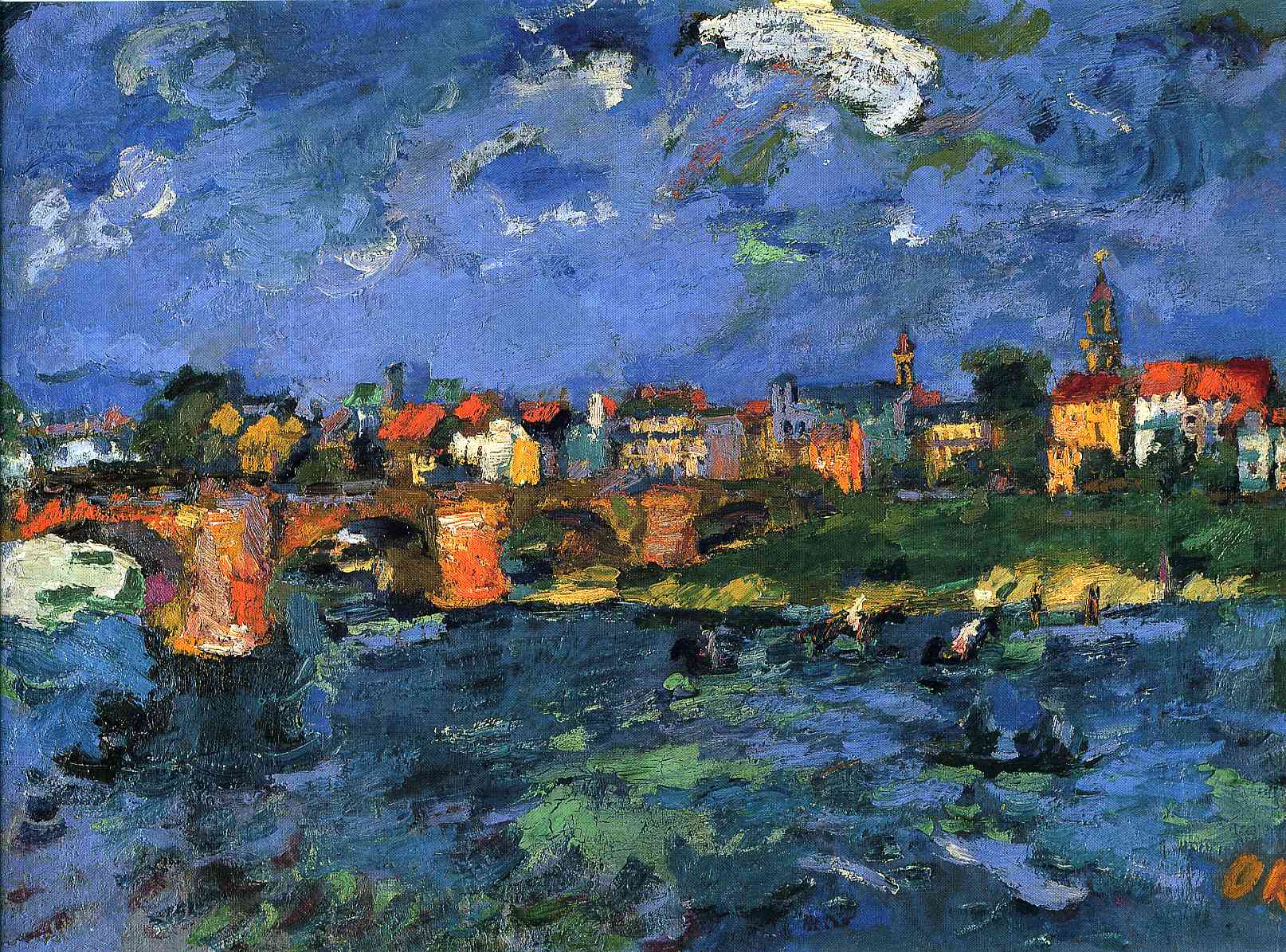
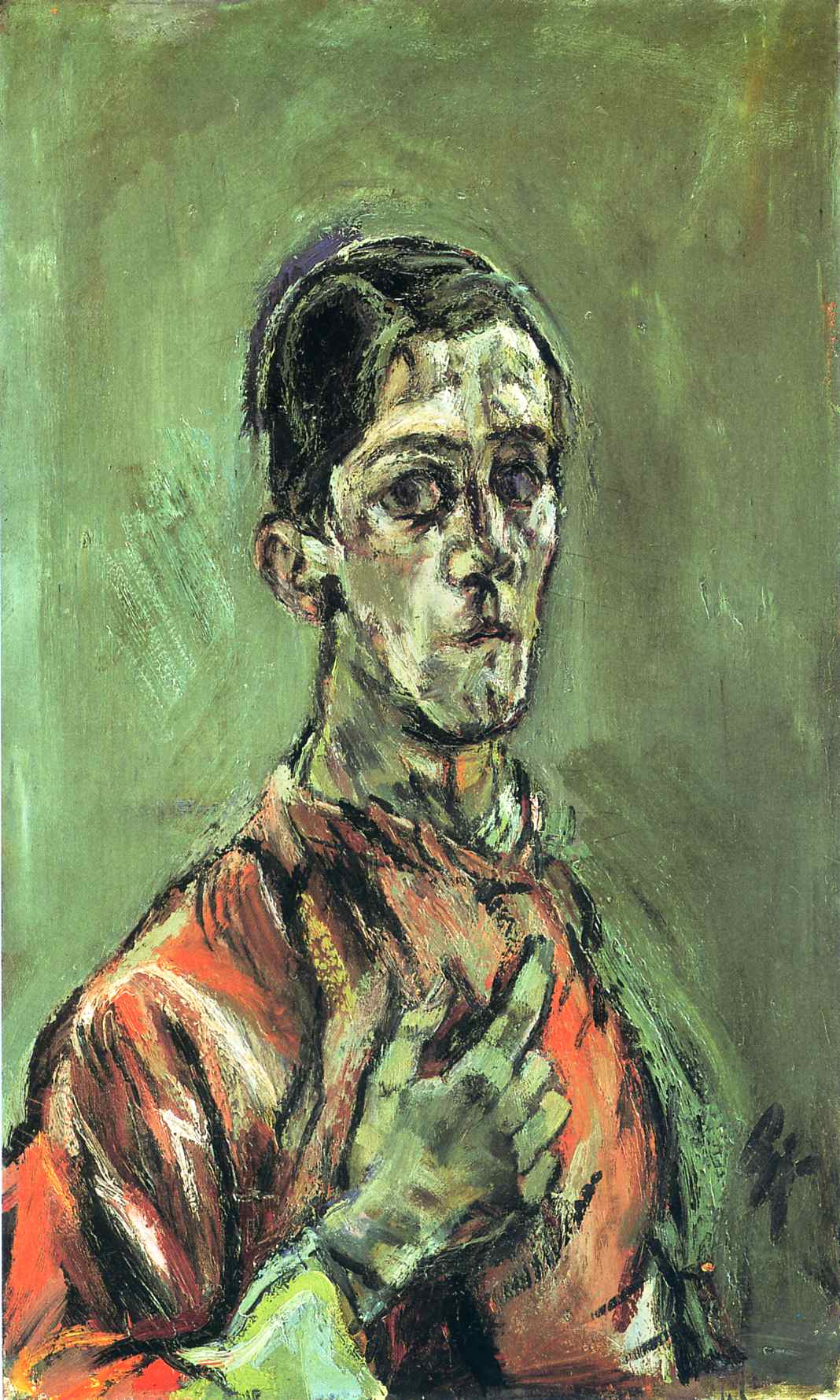
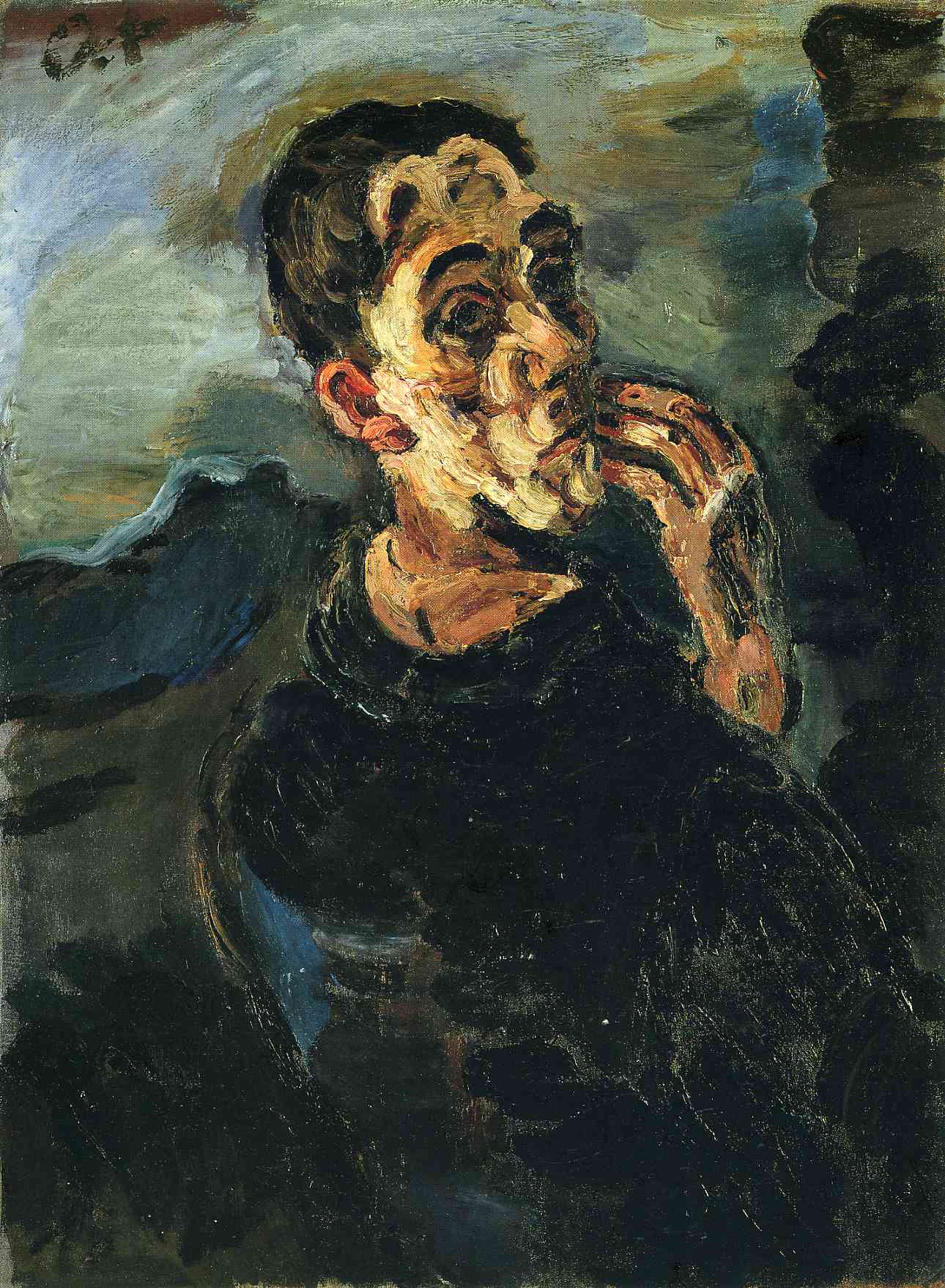
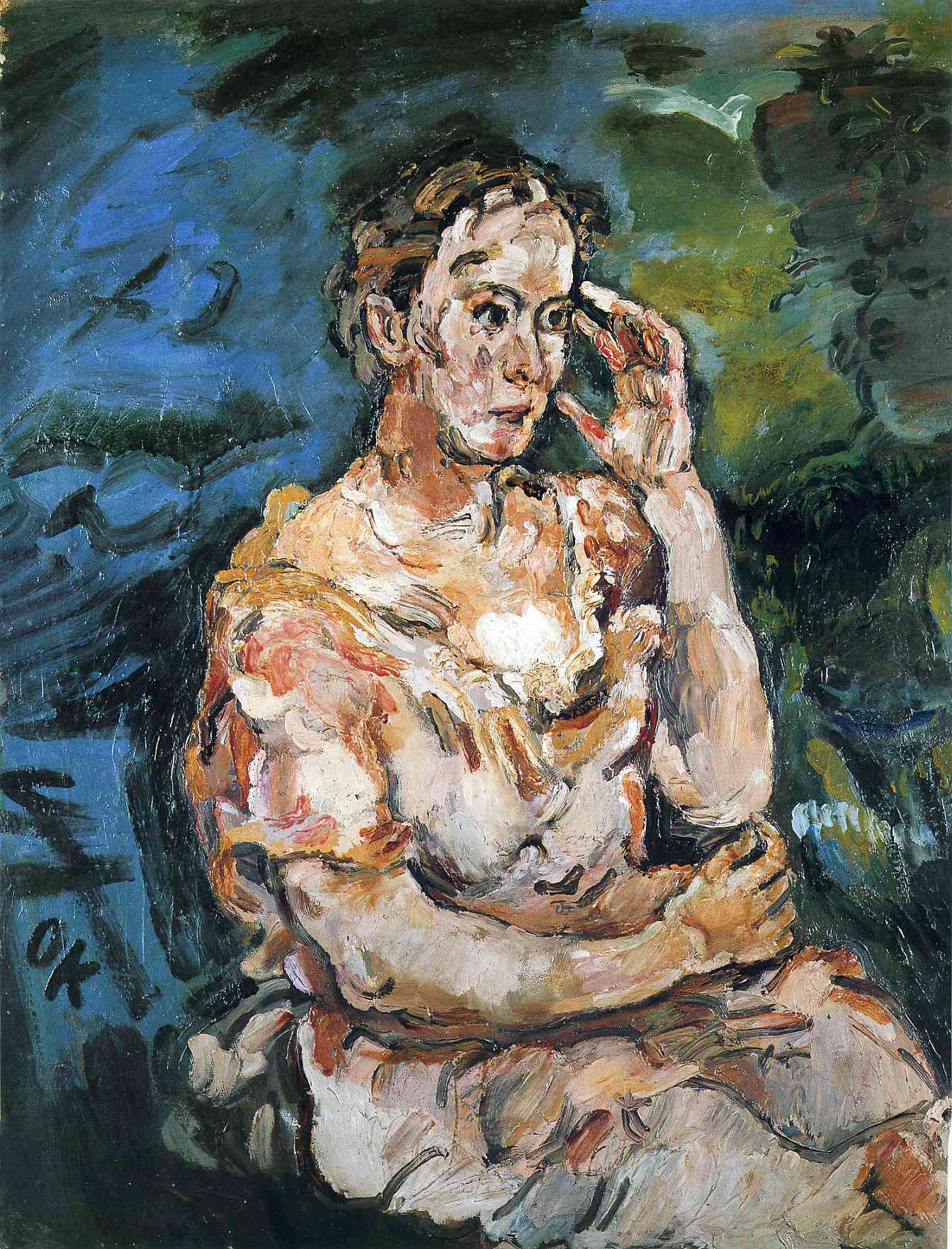
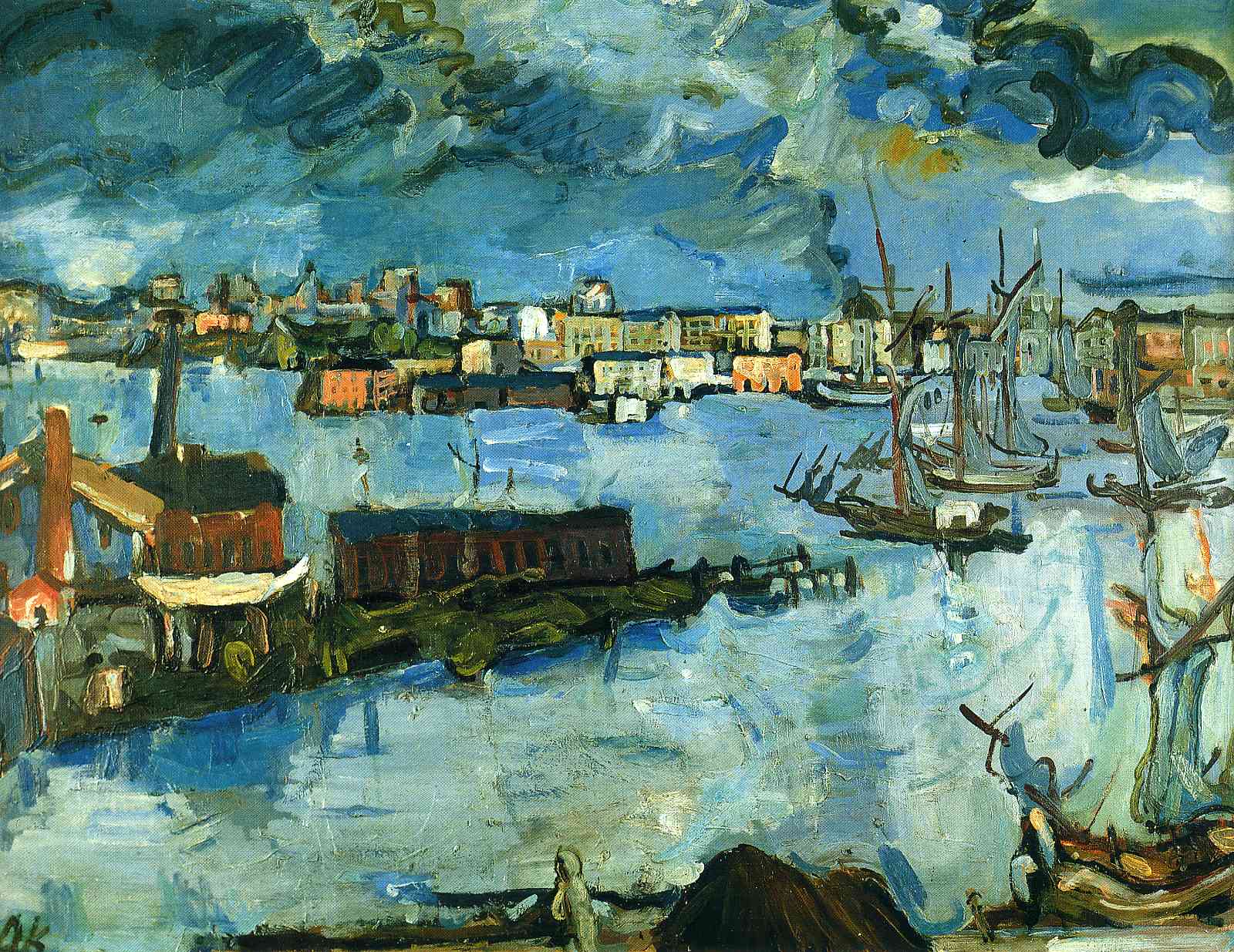
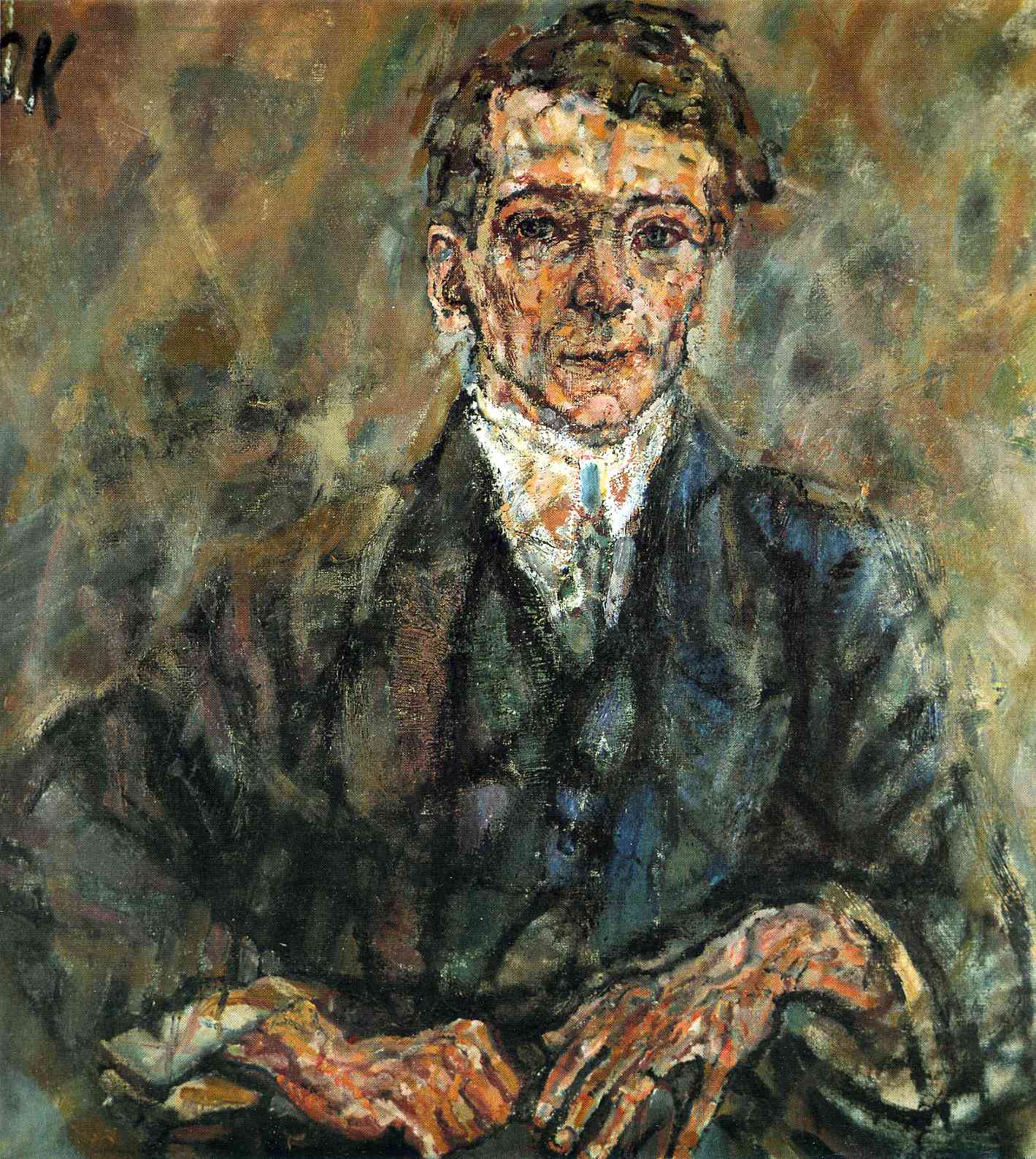
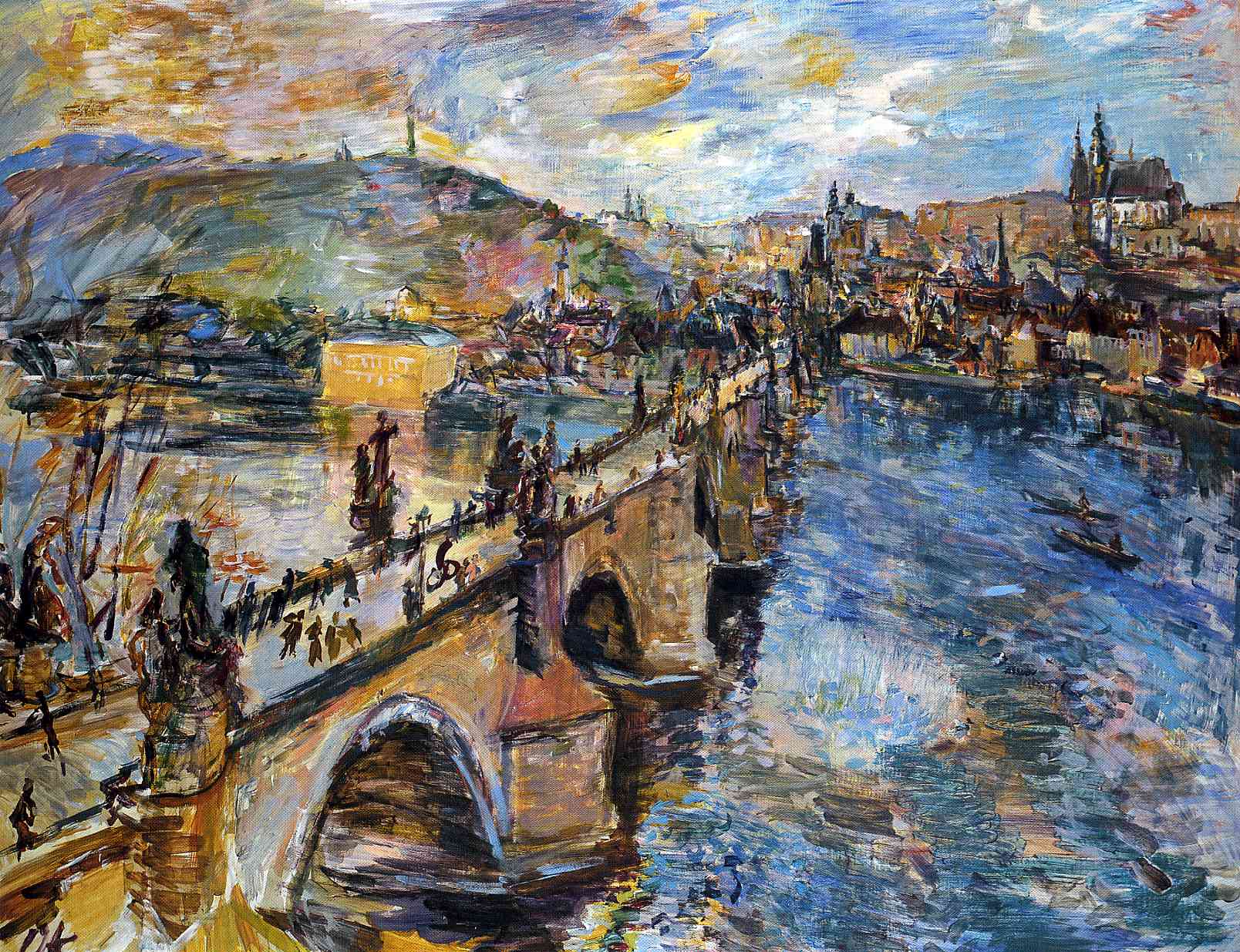
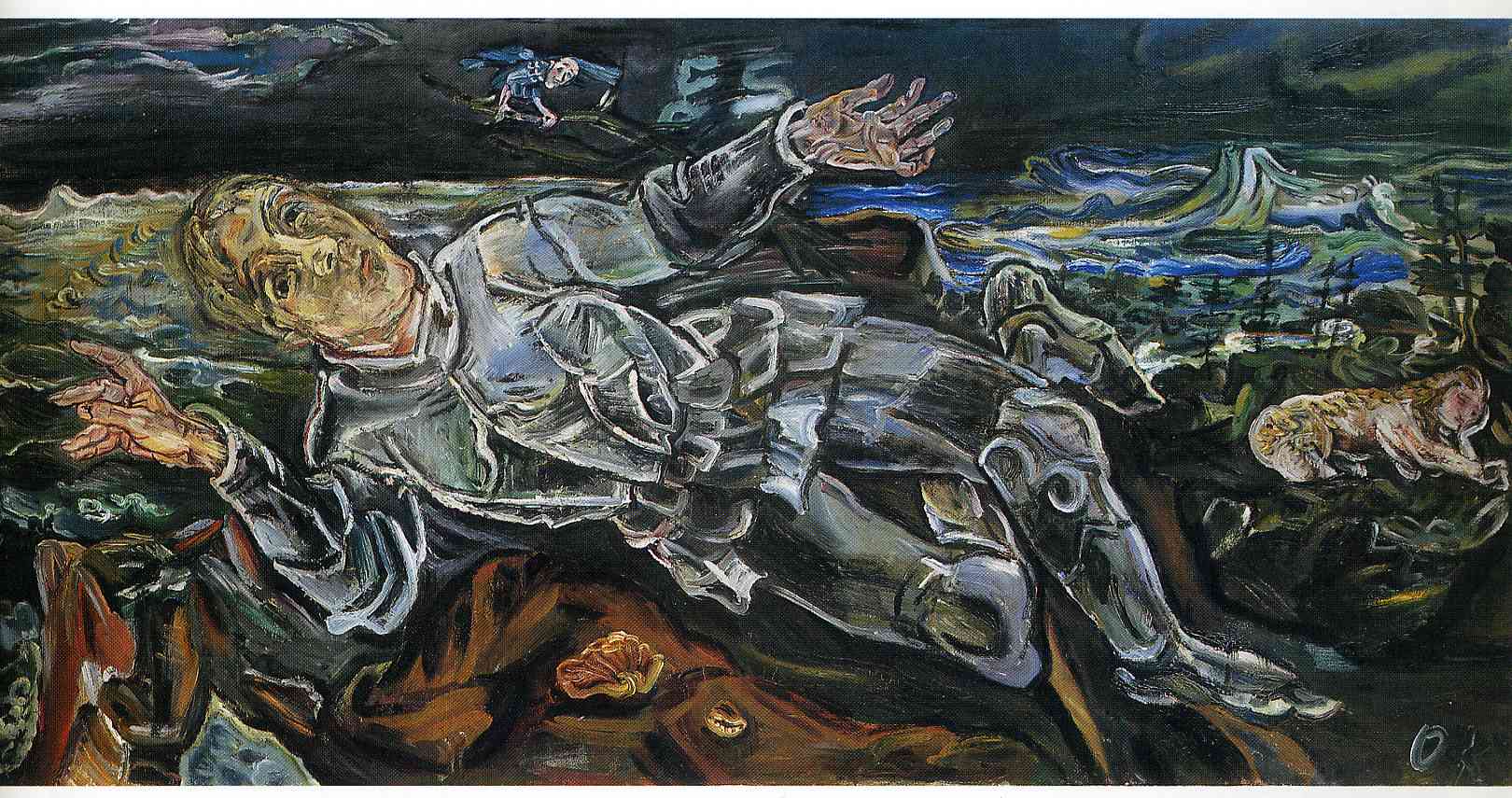
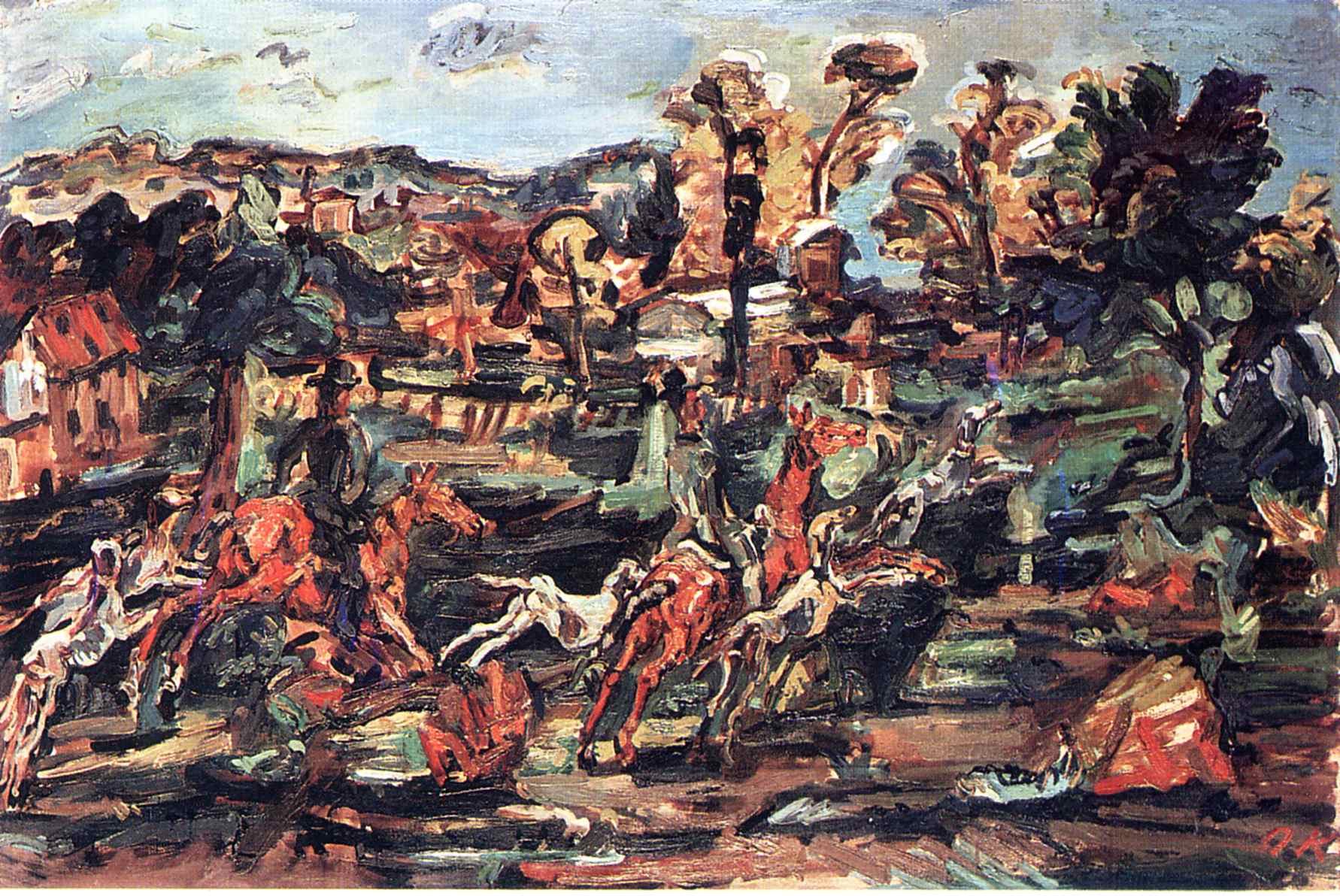
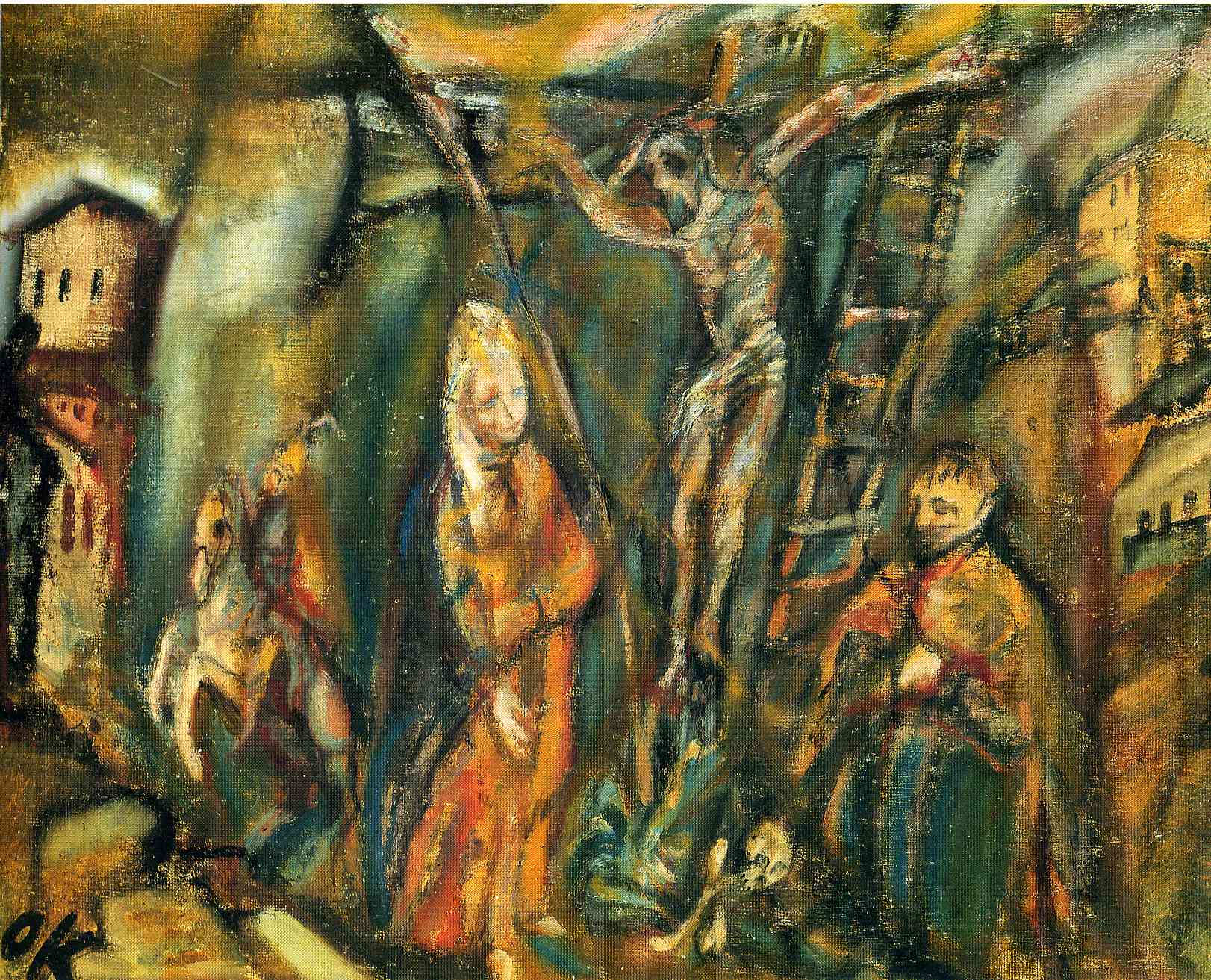
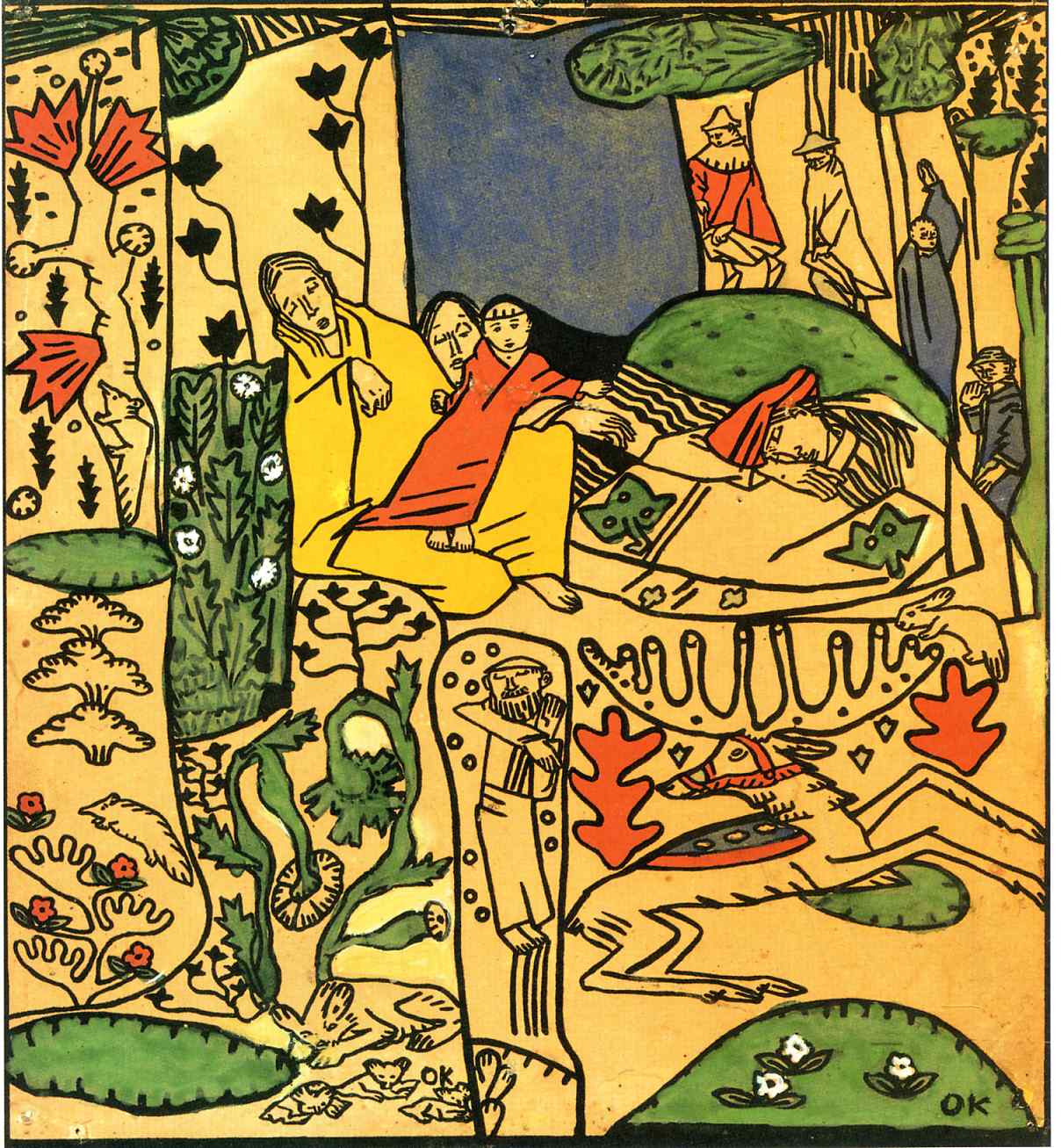
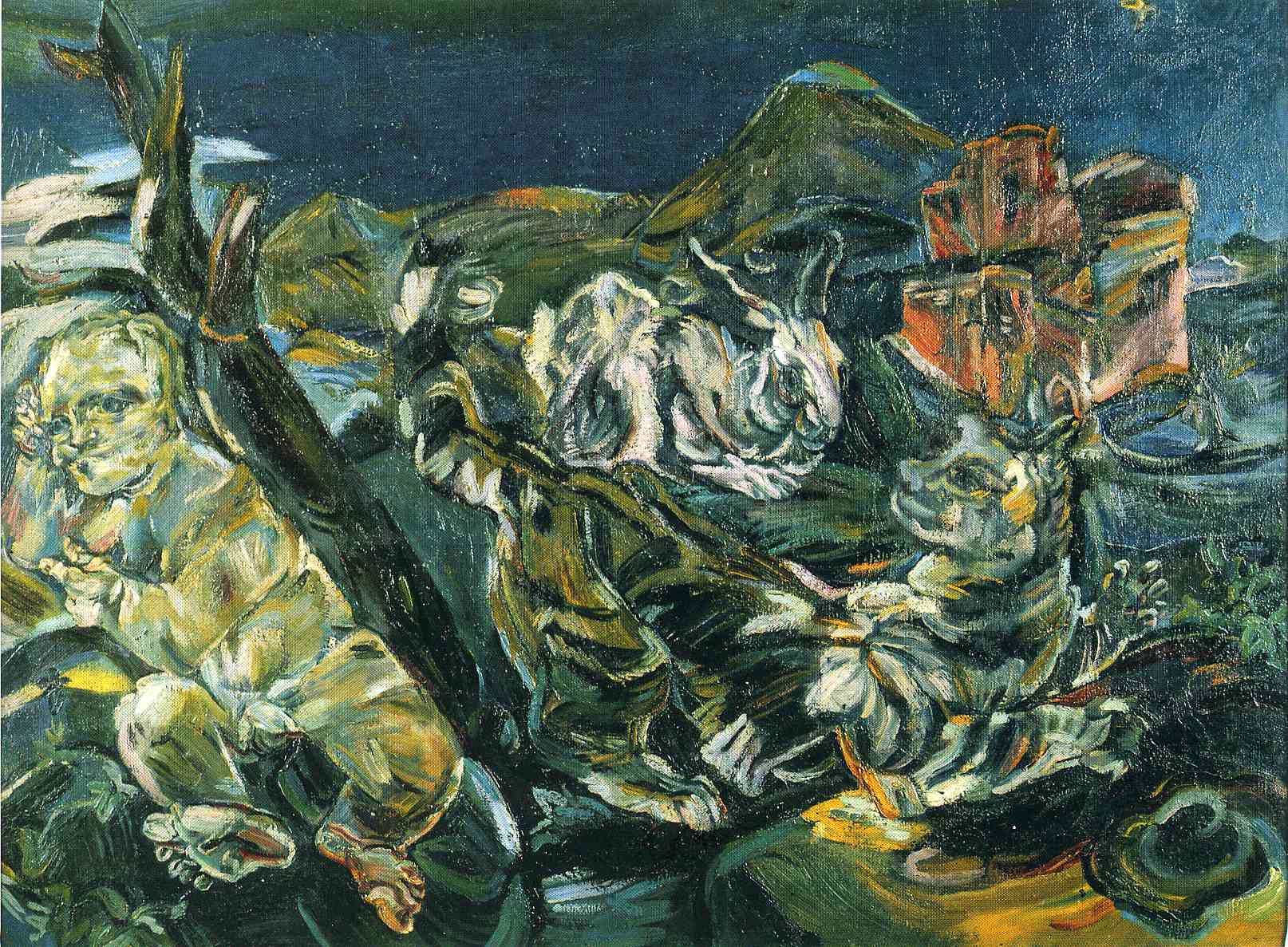
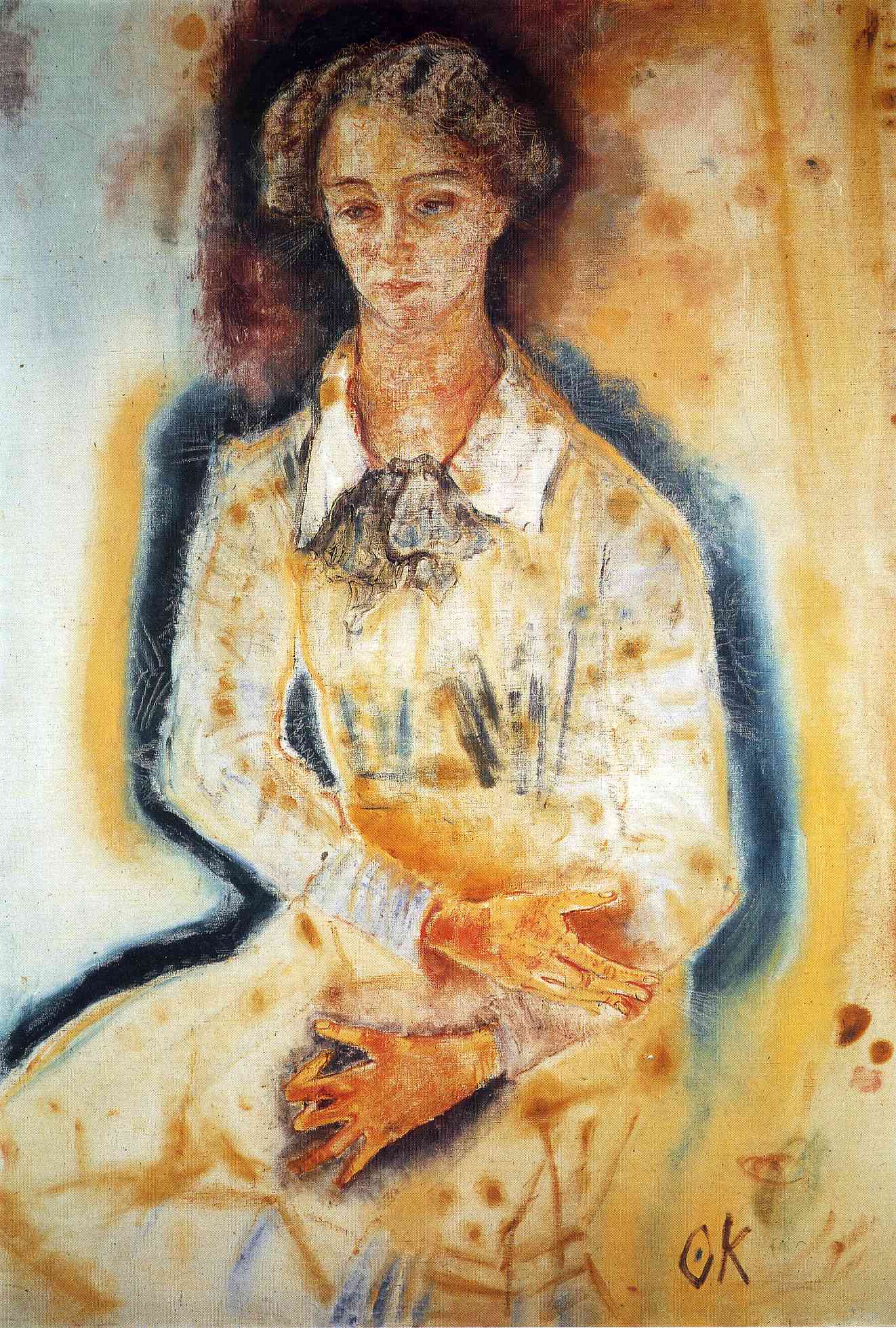
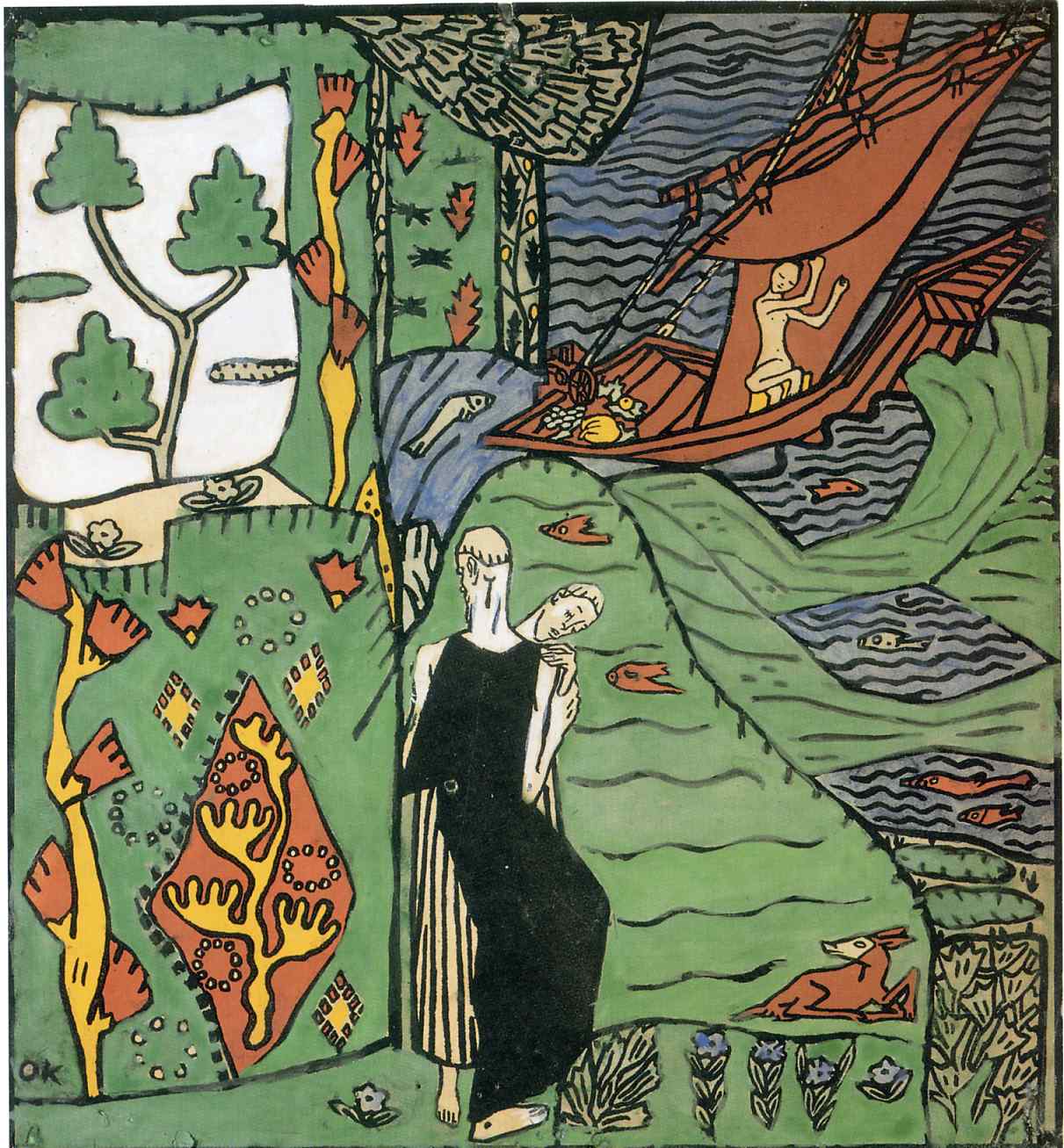
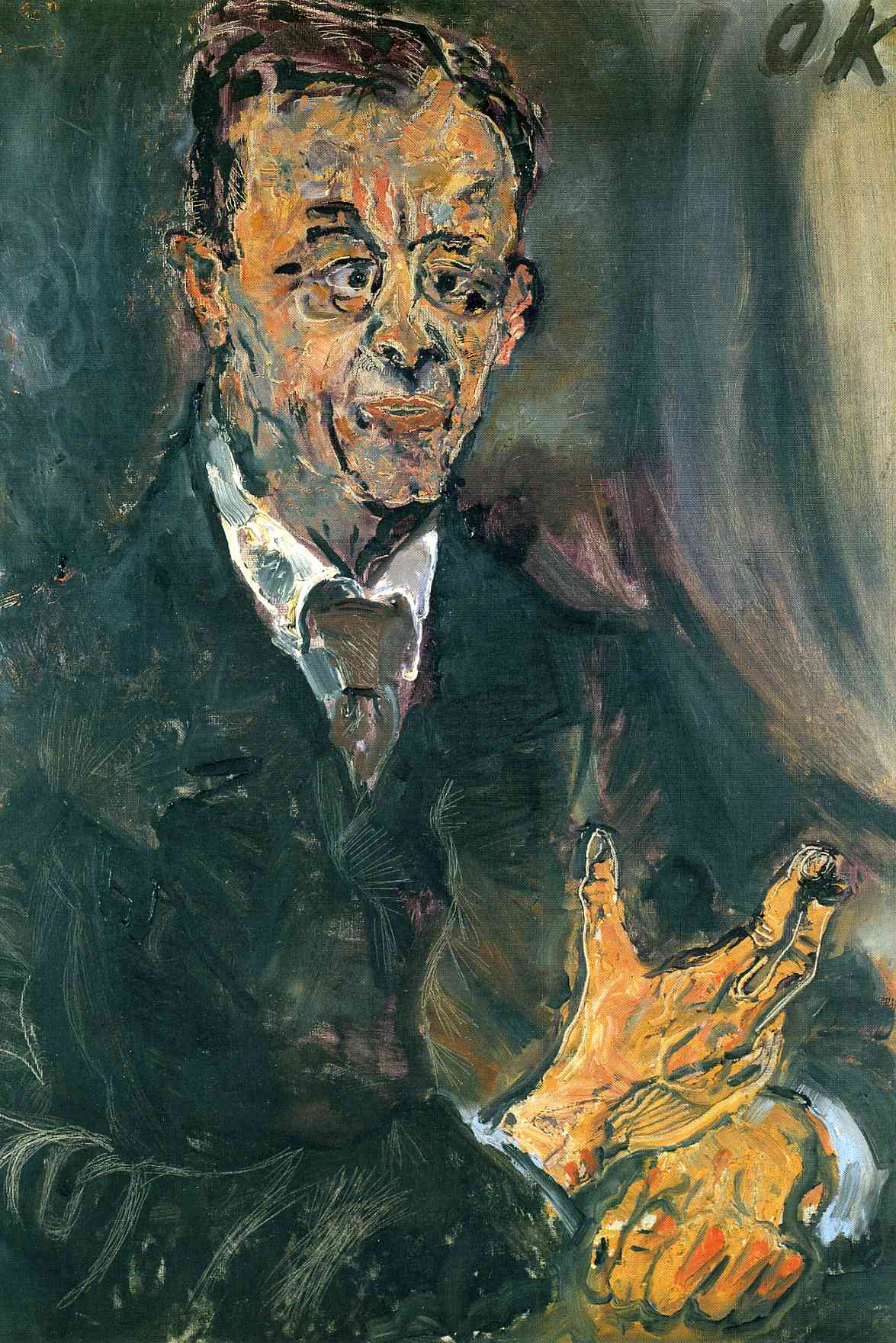
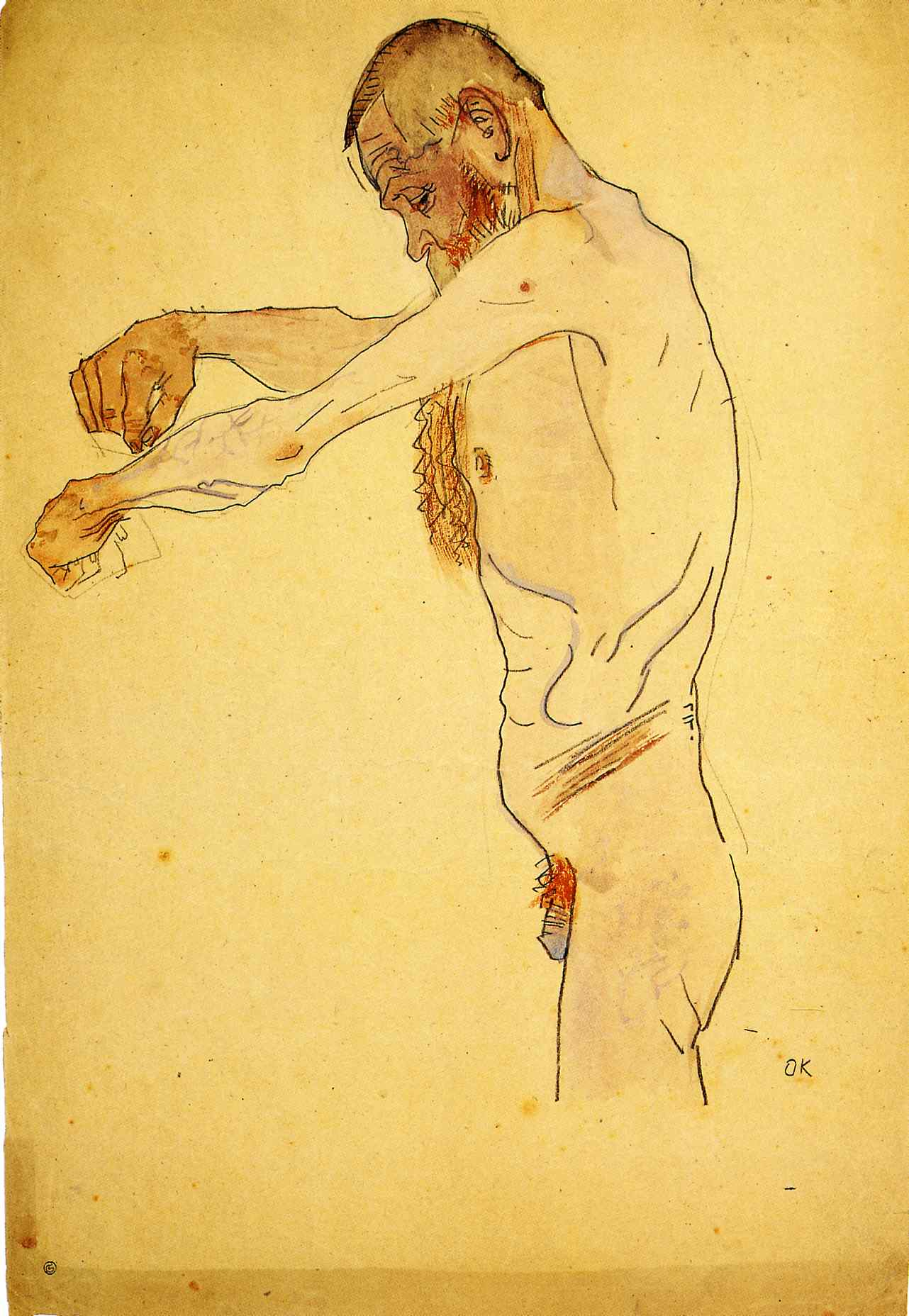
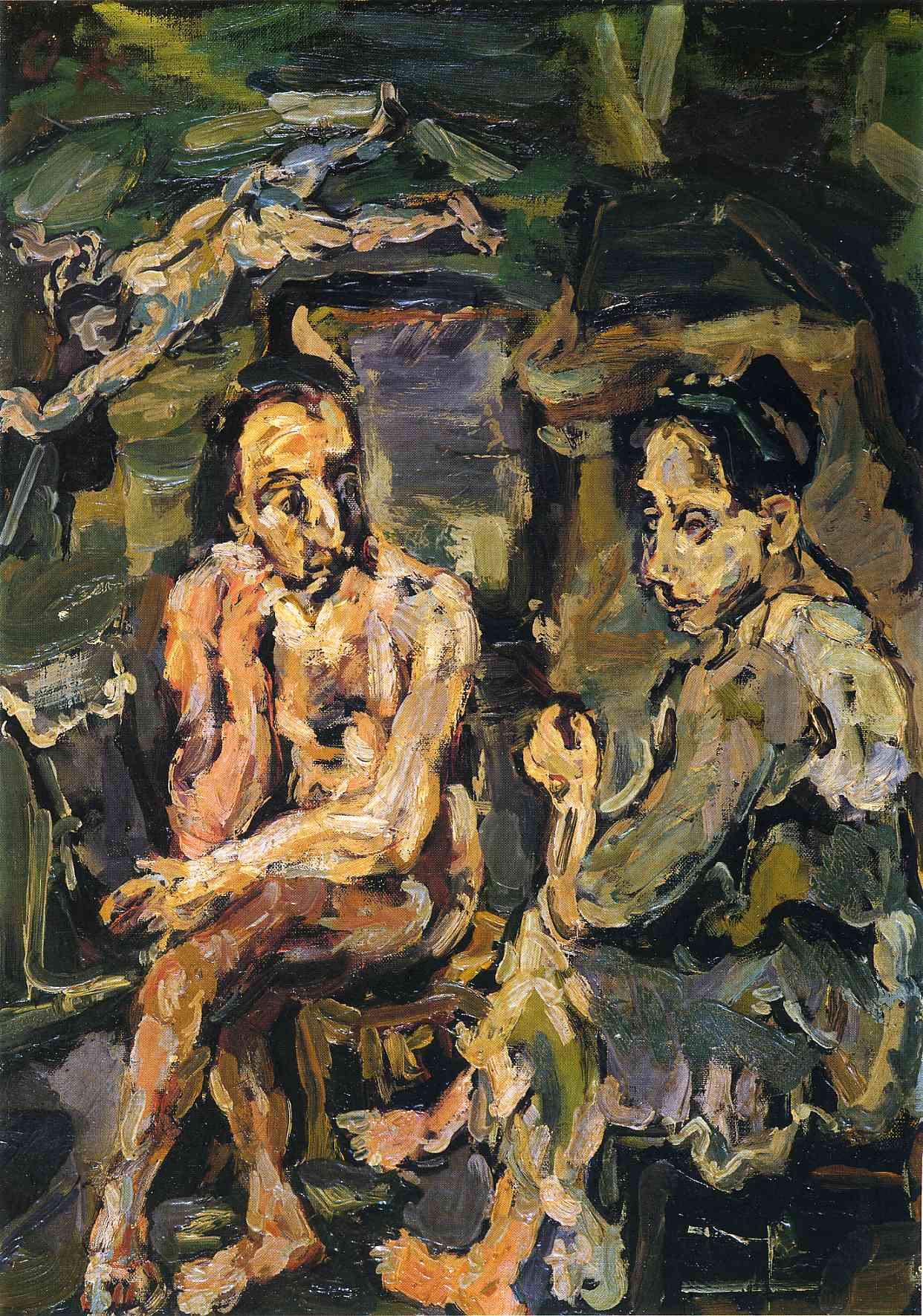
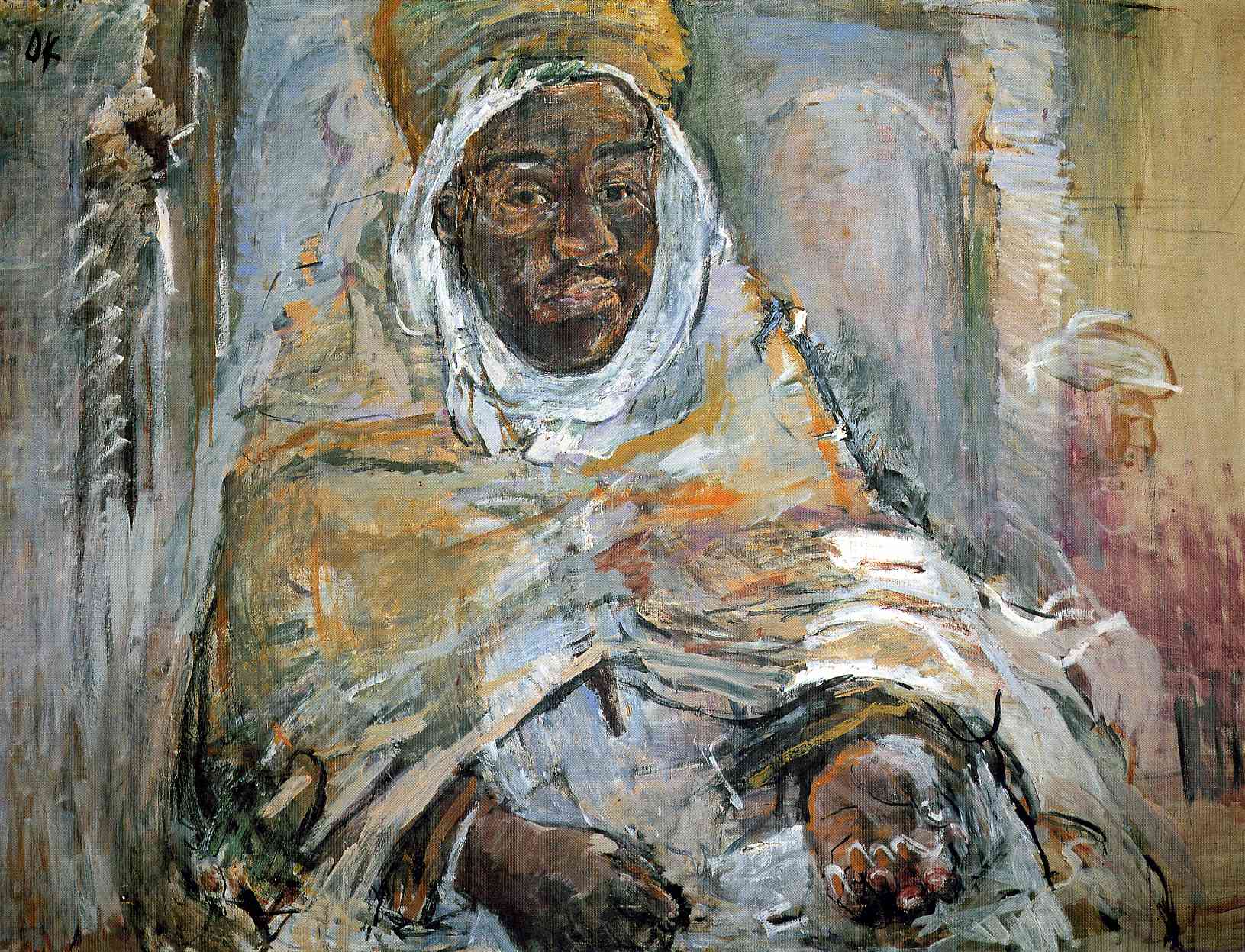
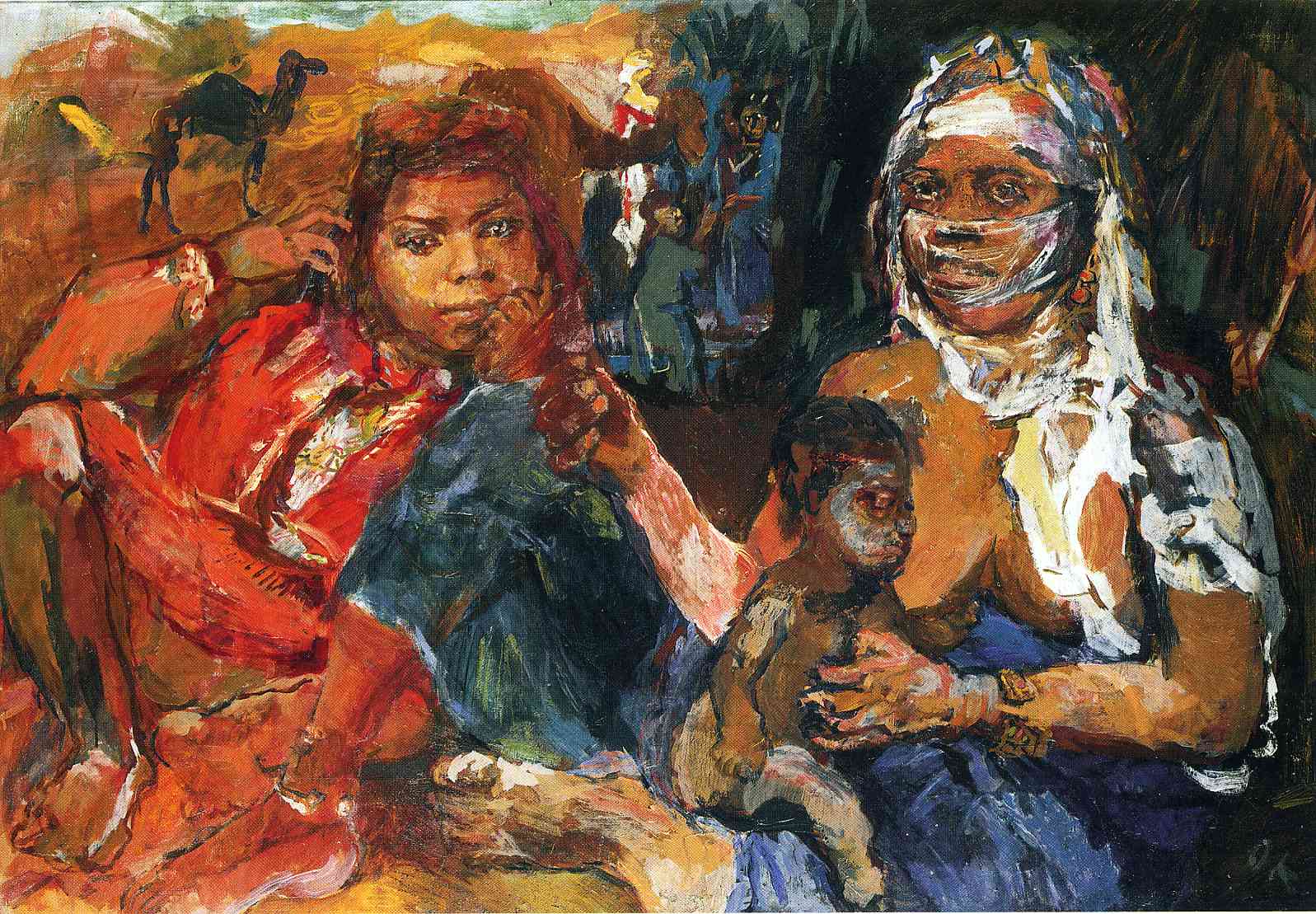
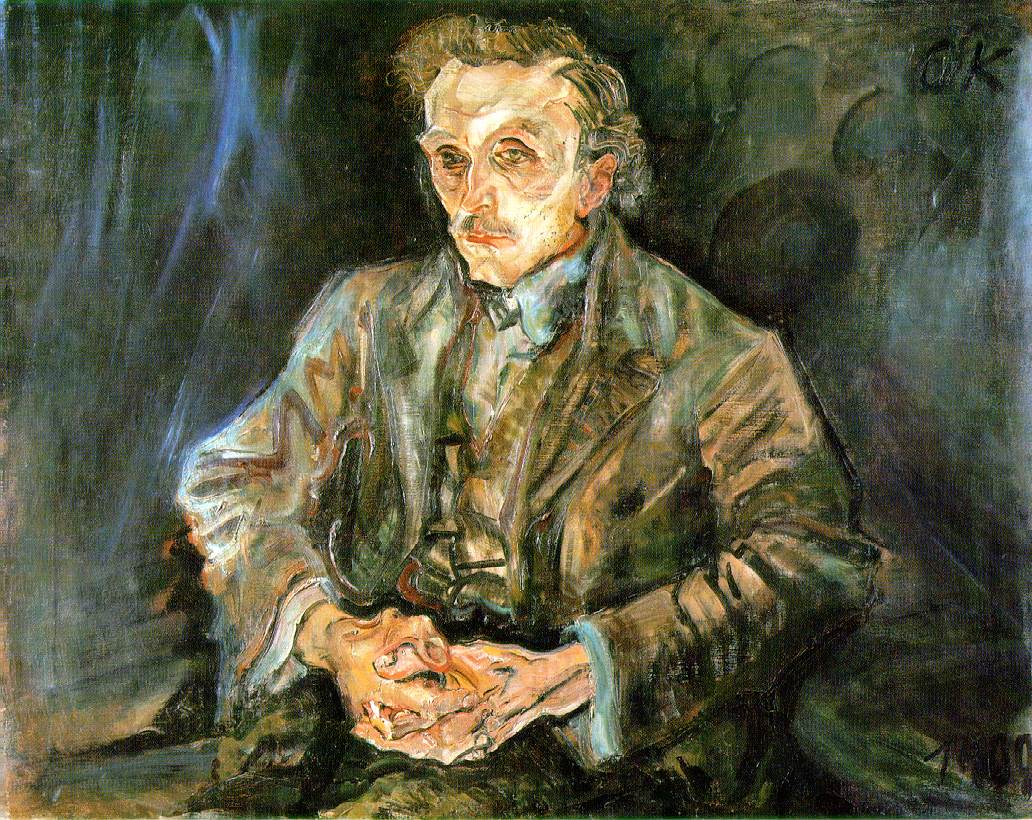
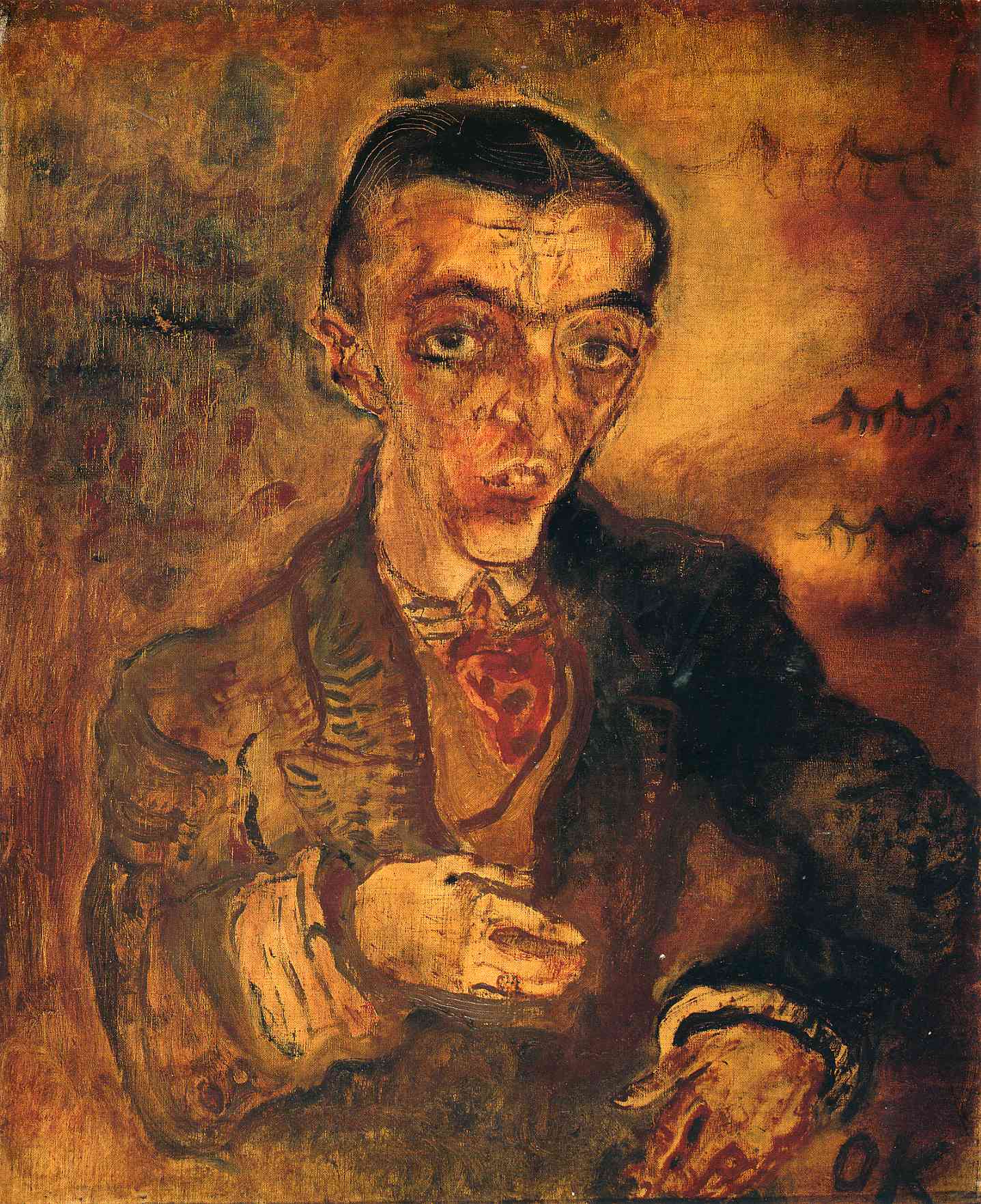
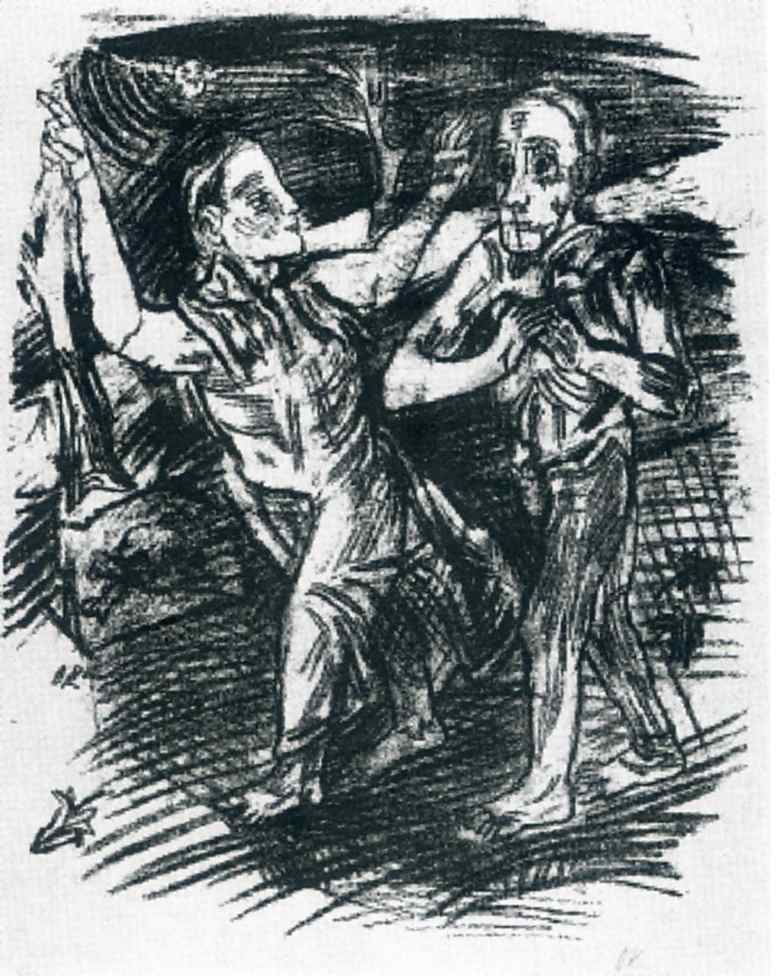
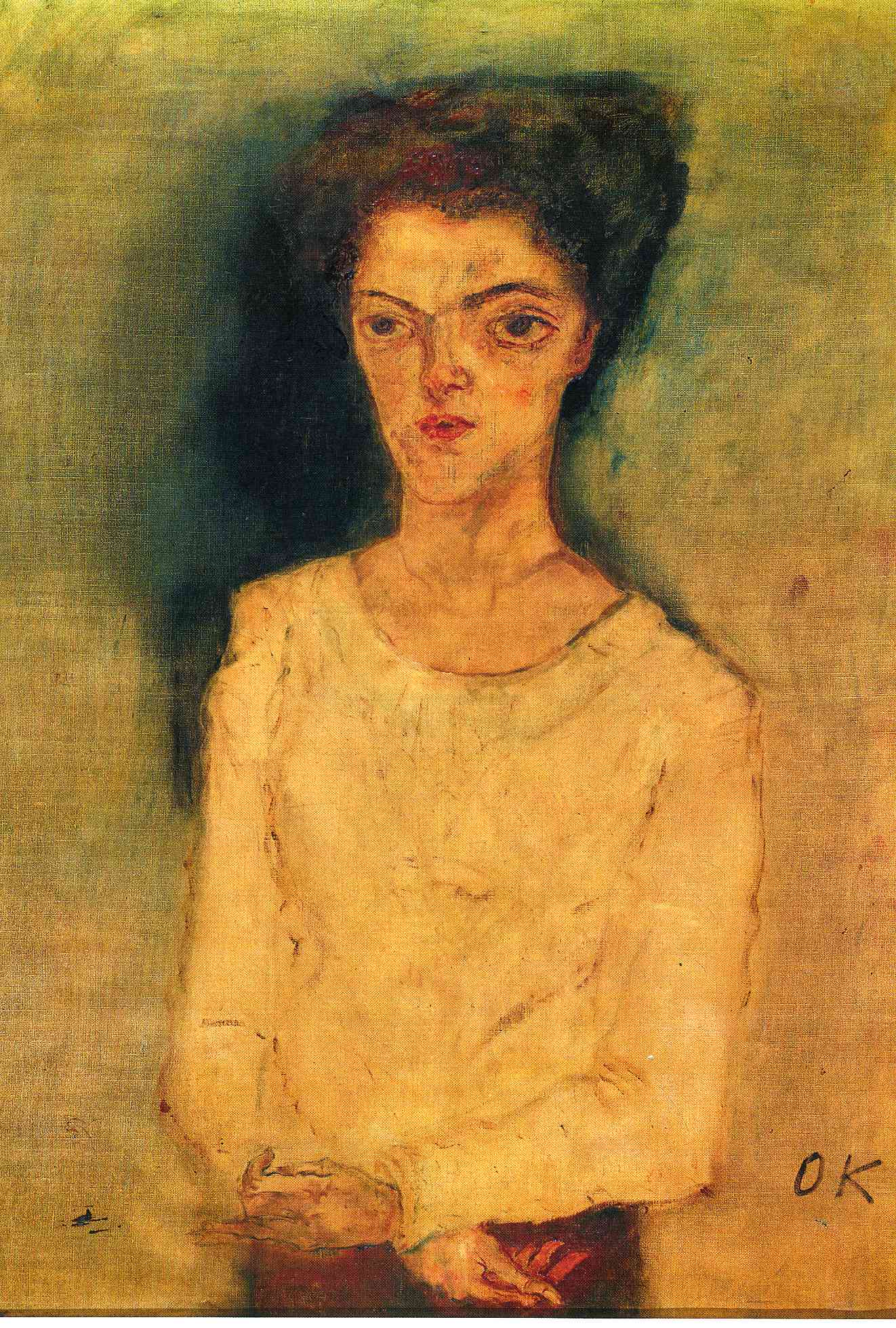
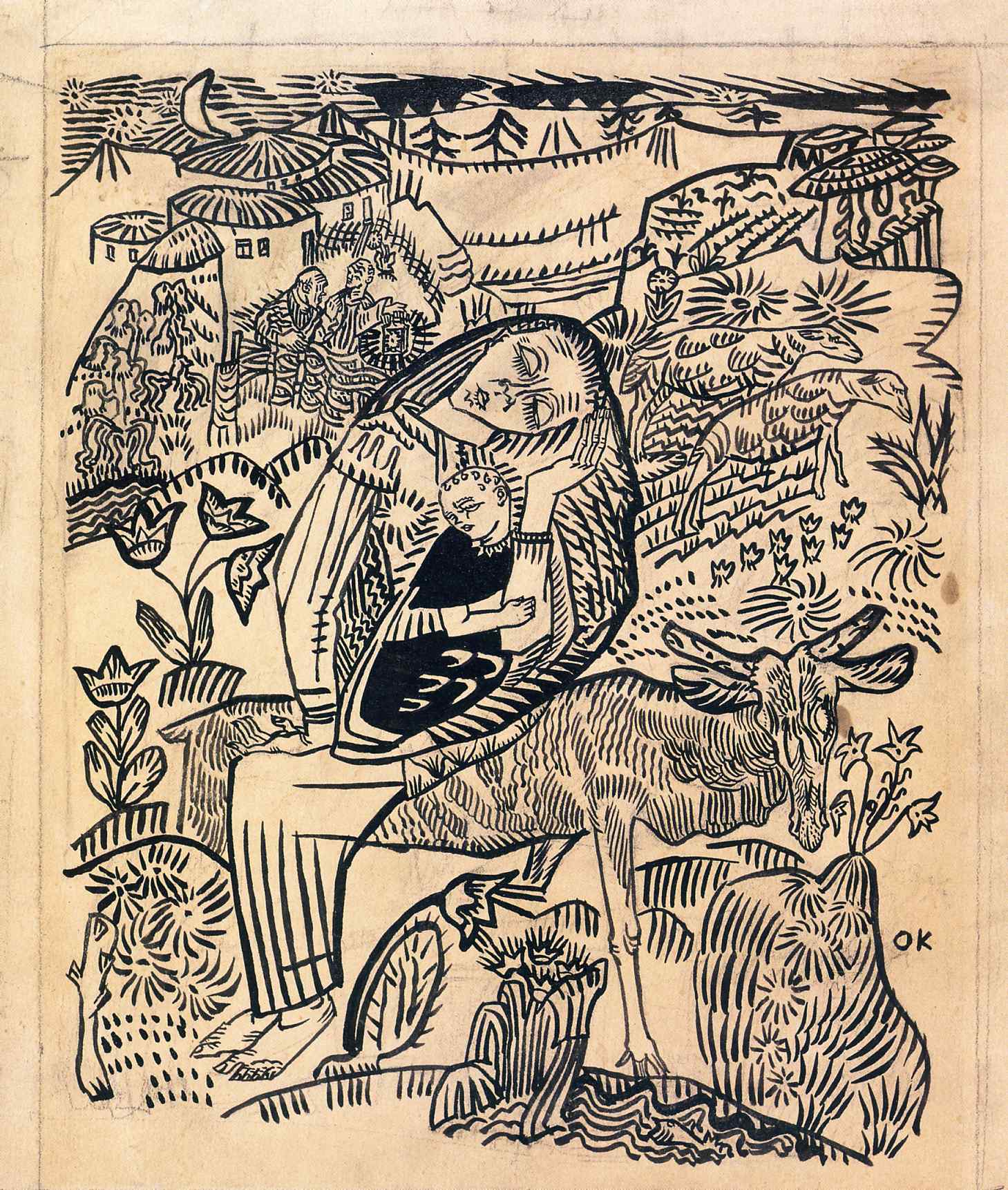
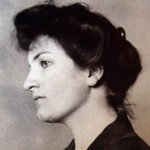
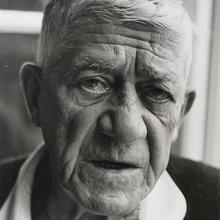
Oskar Kokoschka was an Austrian artist, poet, playwright, and teacher best known for his intense expressionistic portraits and landscapes, as well as his theories on vision that influenced the Viennese Expressionist movement.
Background
Oskar Kokoschka was born on March 1, 1886 in Pehlarn, Austro-Hungarian Empire (present-day Pehlarn , Austria). He was the son of Gustav Josef Kokoschka, a goldsmith, and Maria Romana Kokoschka. Oskar had a sister Berta and a brother Bohuslav.The family's life was not easy, largely due to a lack of financial stability of his father.
Education
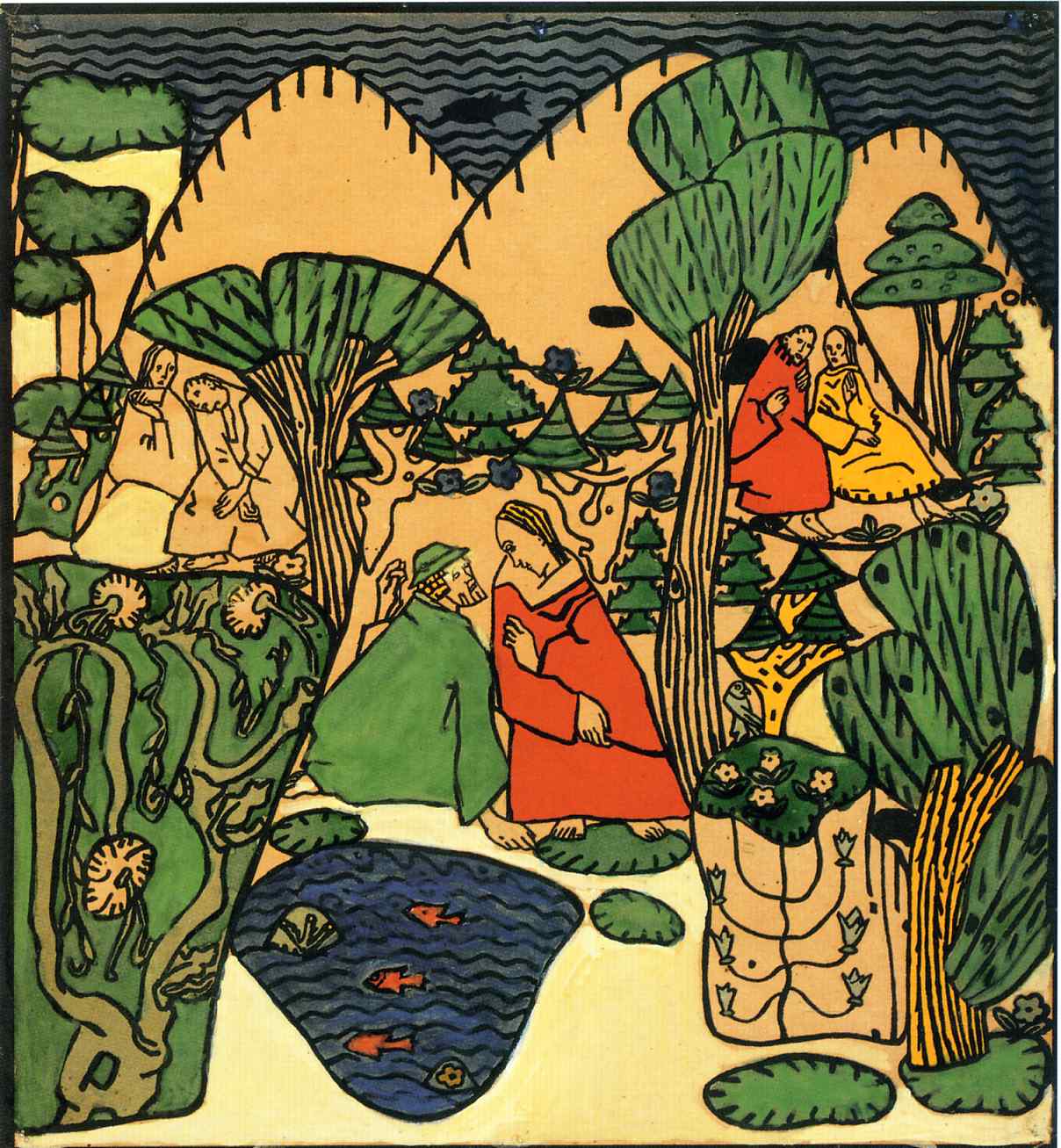
Against his father's will, Kokoschka applied to the Kunstgewerbeschule in Vienna, now the University of Applied Arts Vienna. He received a scholarship and was one of few applicants to be accepted.Kokoschka studied there from 1904 to 1909 and was influenced by his teacher Carl Otto Czeschka in developing an original style.
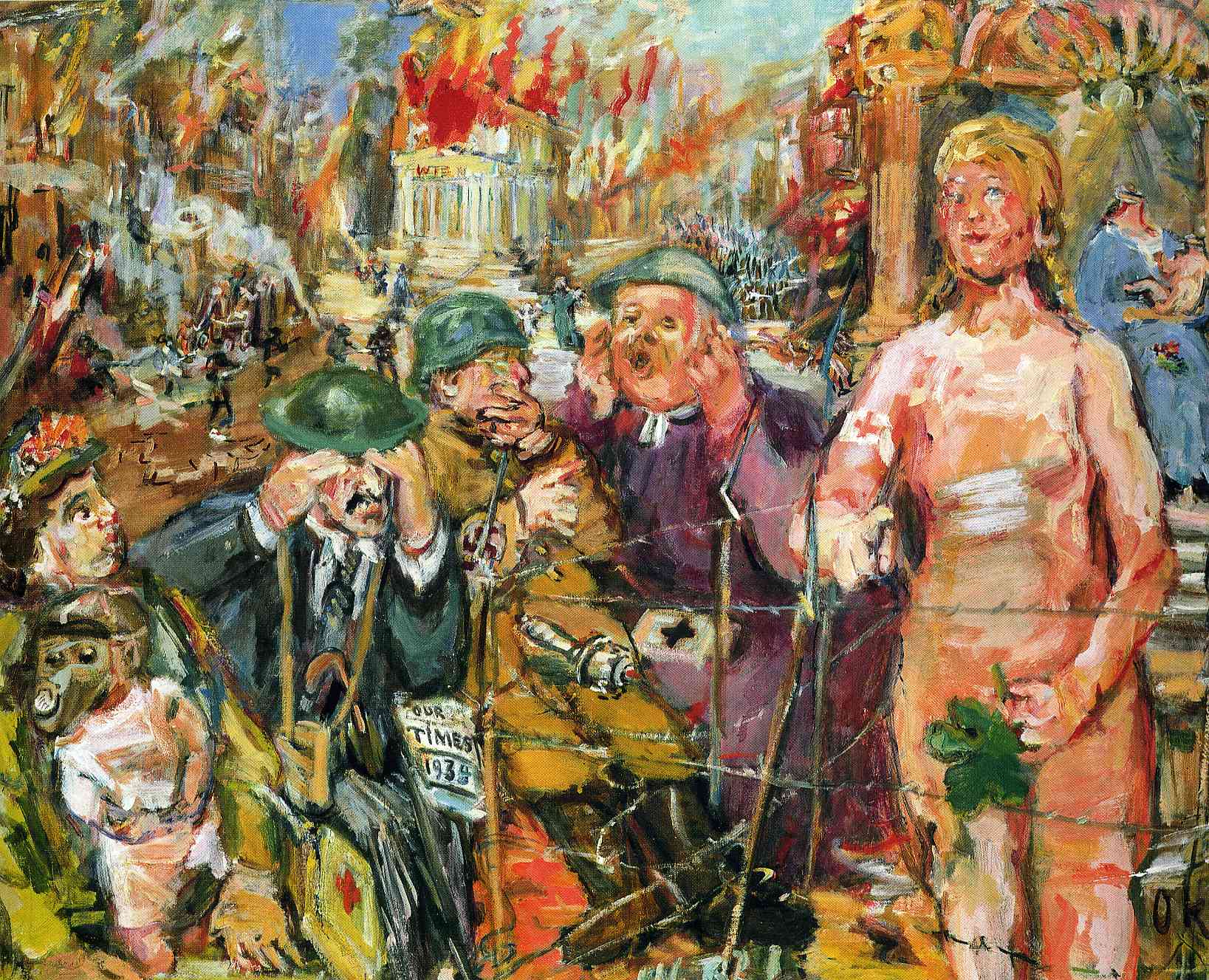
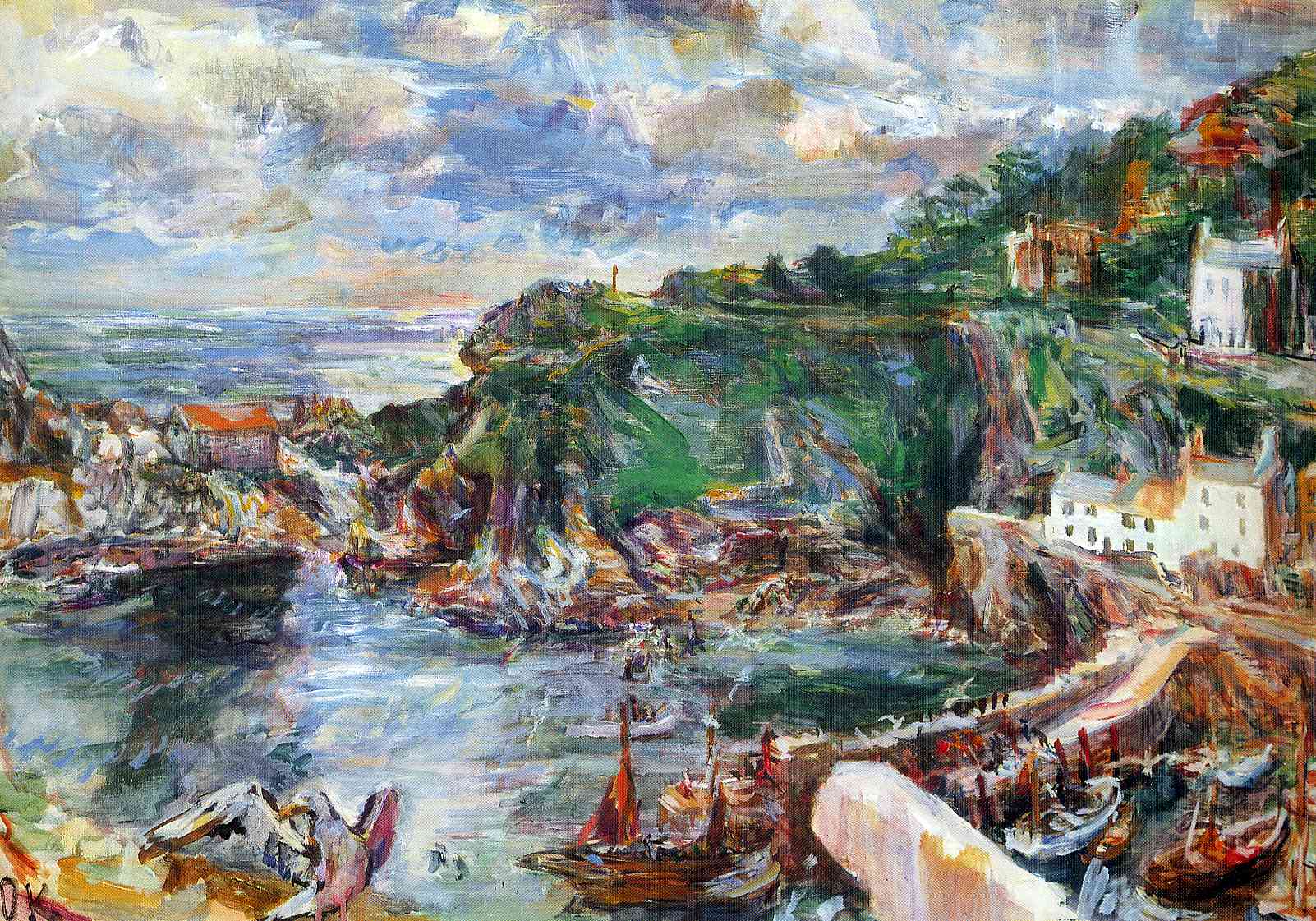
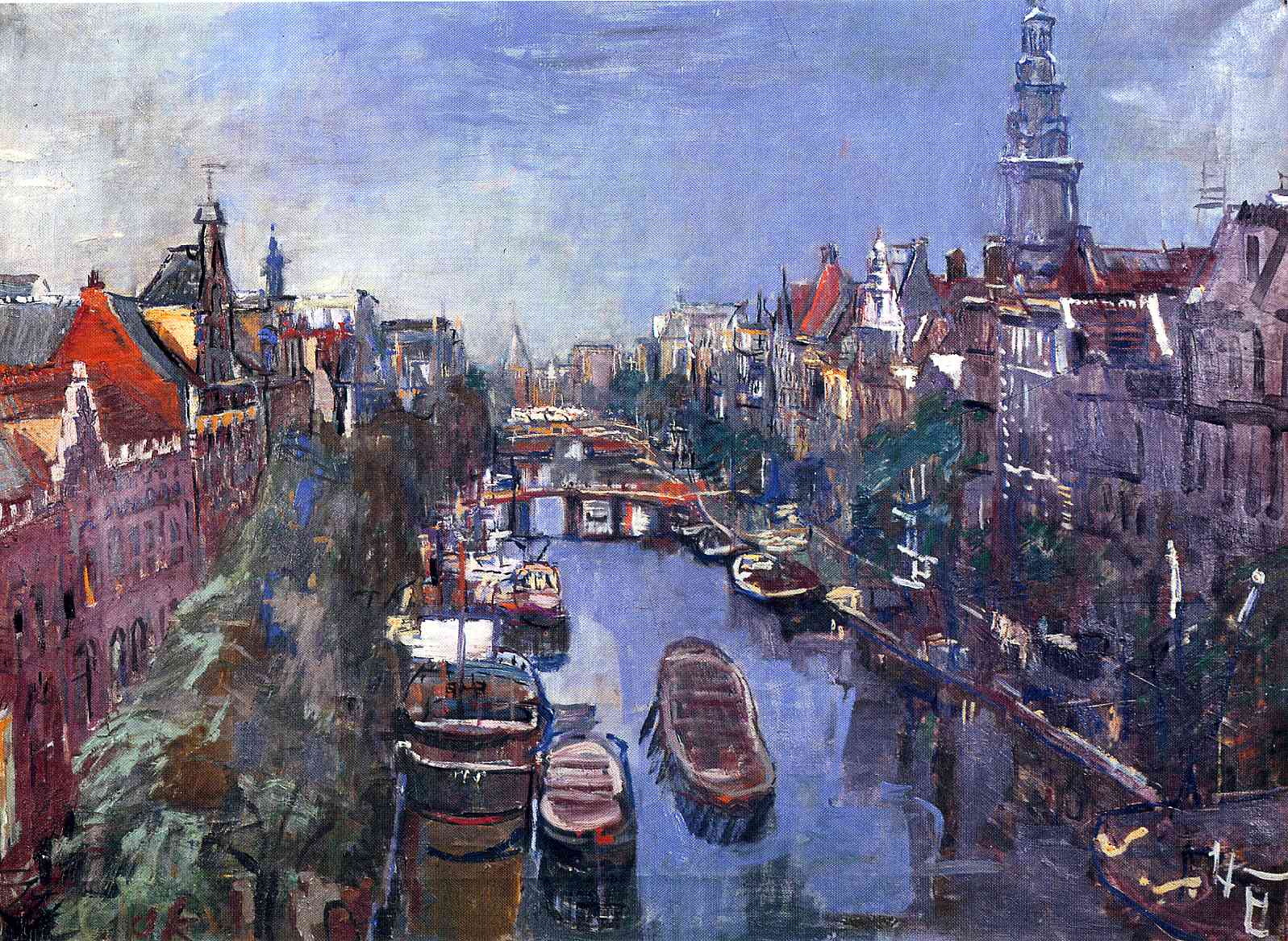
Following his own artistic training, Kokoschka dedicated years of his life thereafter teaching art and writing articles and speeches documenting his views and practices as an educator. Kokoschka taught in Vienna from 1911 to 1913 and then again in Dresden from 1919 to 1923.In 1908 Kokoschka was offered the opportunity of submitting works to the first Vienna Kunstschau.This government funded exhibition was established to both bring in tourists and affirm Vienna's prominence within the art world.In 1910 Kokoschka lived in Berlin and worked with the magazine "Der Sturm", where his graphic works were published.He volunteered for service as a cavalryman in the Austrian army in World War I, and in 1915 was seriously wounded. At the hospital, the doctors decided that he was mentally unstable. Nevertheless, he continued to develop his career as an artist, traveling across Europe and painting the landscape.In 1919, Kokoschka began teaching at the Kunstakademie Dresden.During World War II, Kokoschka painted anti-Fascist works such as the allegory What We Are Fighting For (1943).
He travelled briefly to the United States in 1947 before settling in Villeneuve, Switzerland in 1953, where he lived the rest of his life. Kokoschka spent these years as an educator at the Internationale Sommer Akademie für Bildenden Künste, (the recently deceased Ricarda Jacobi being one of his pupils) while also working on stage designs and publishing a collection of his writings.
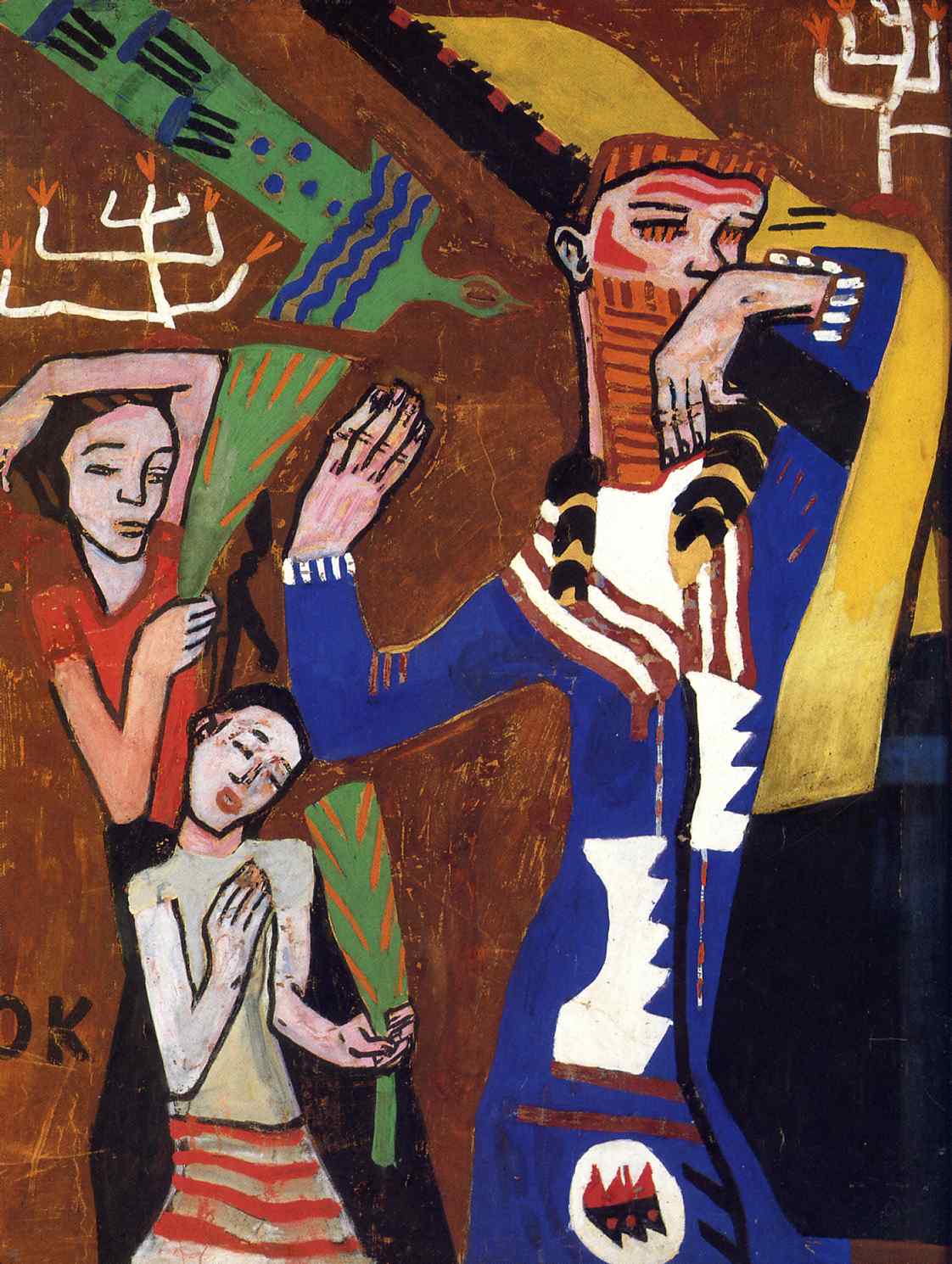
Poster Design for the Jubilee Procession of the Kaiser
Girl with a Yellow Headband
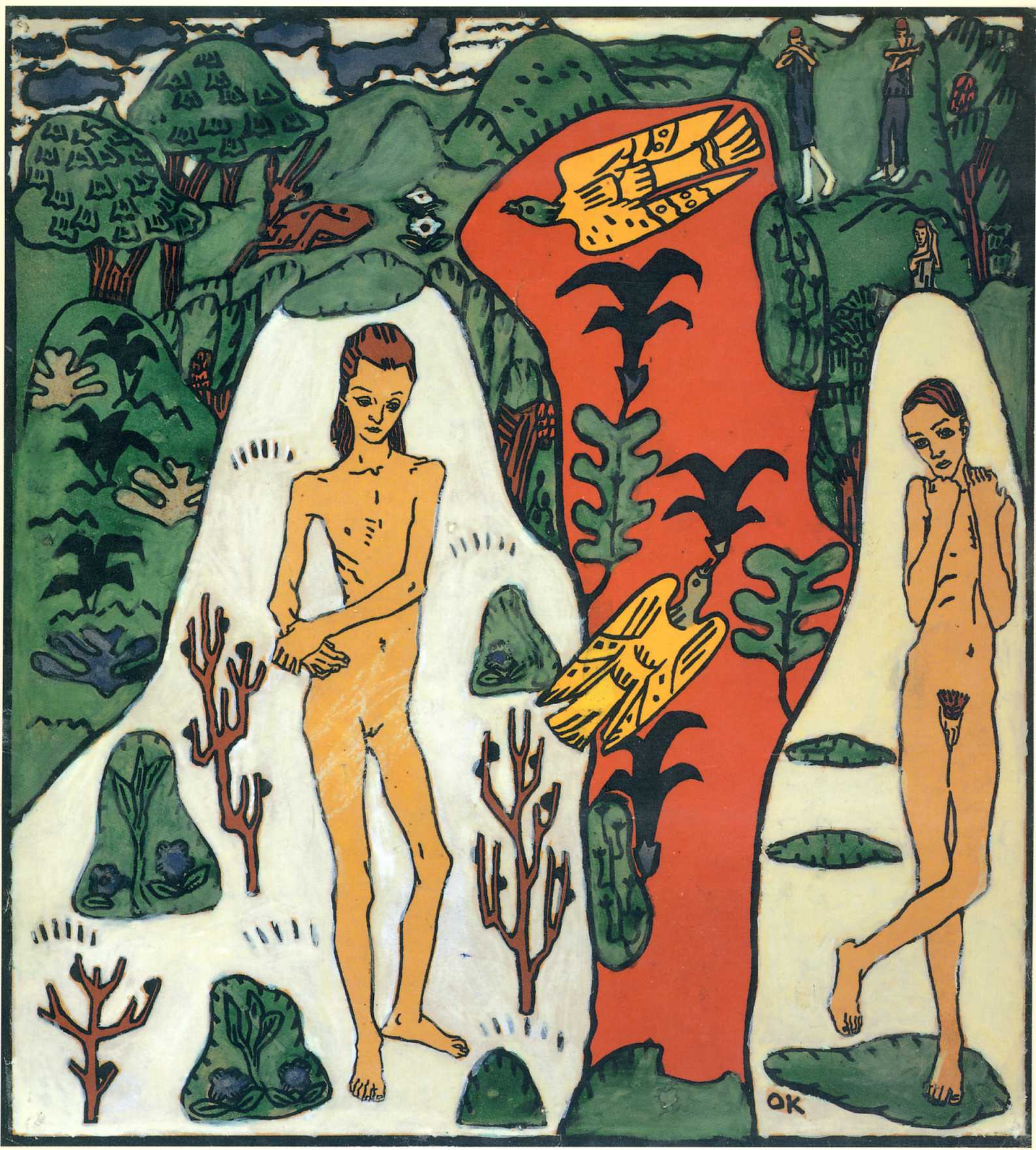
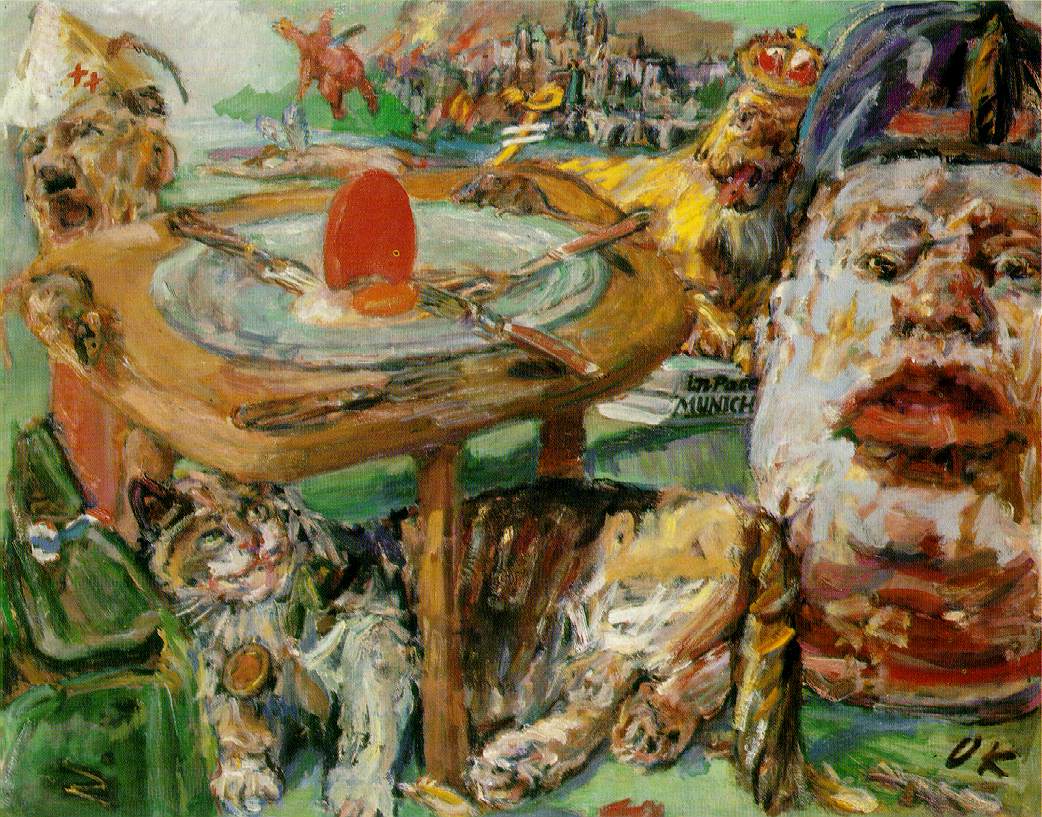
The red egg
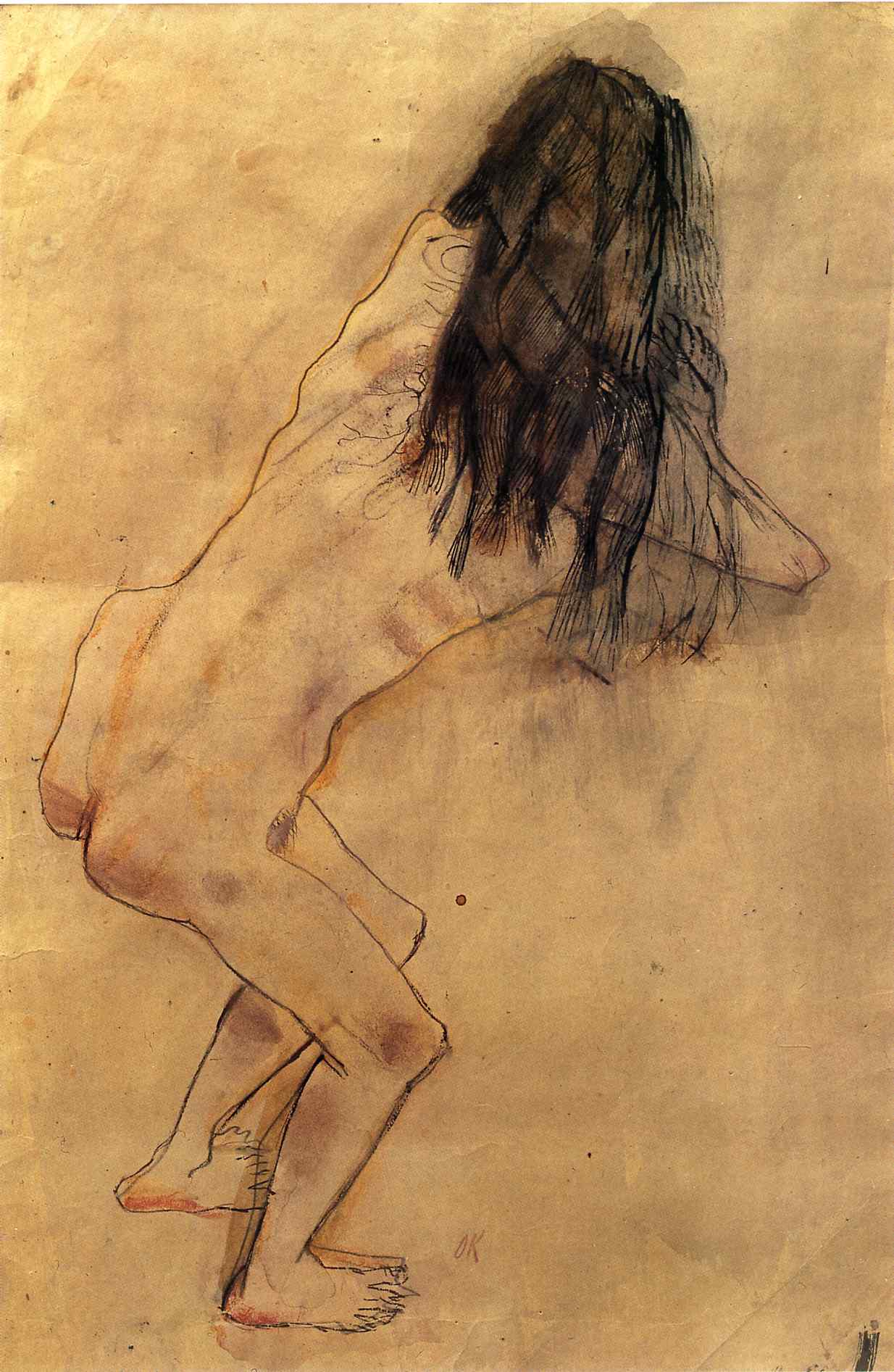
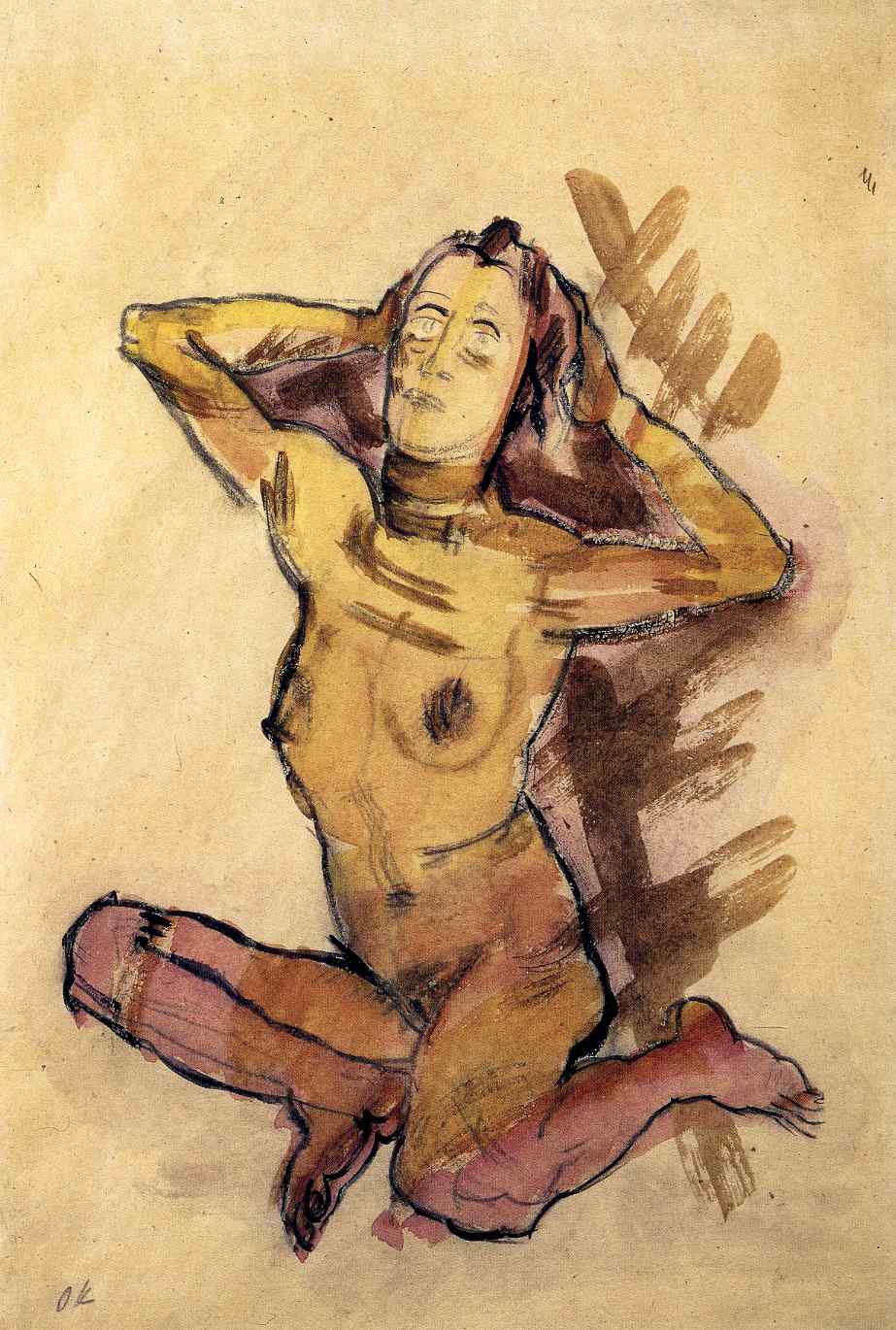
Female nude seated on the ground
Still life with a slaughtered lamb
Gitta Wallerstein
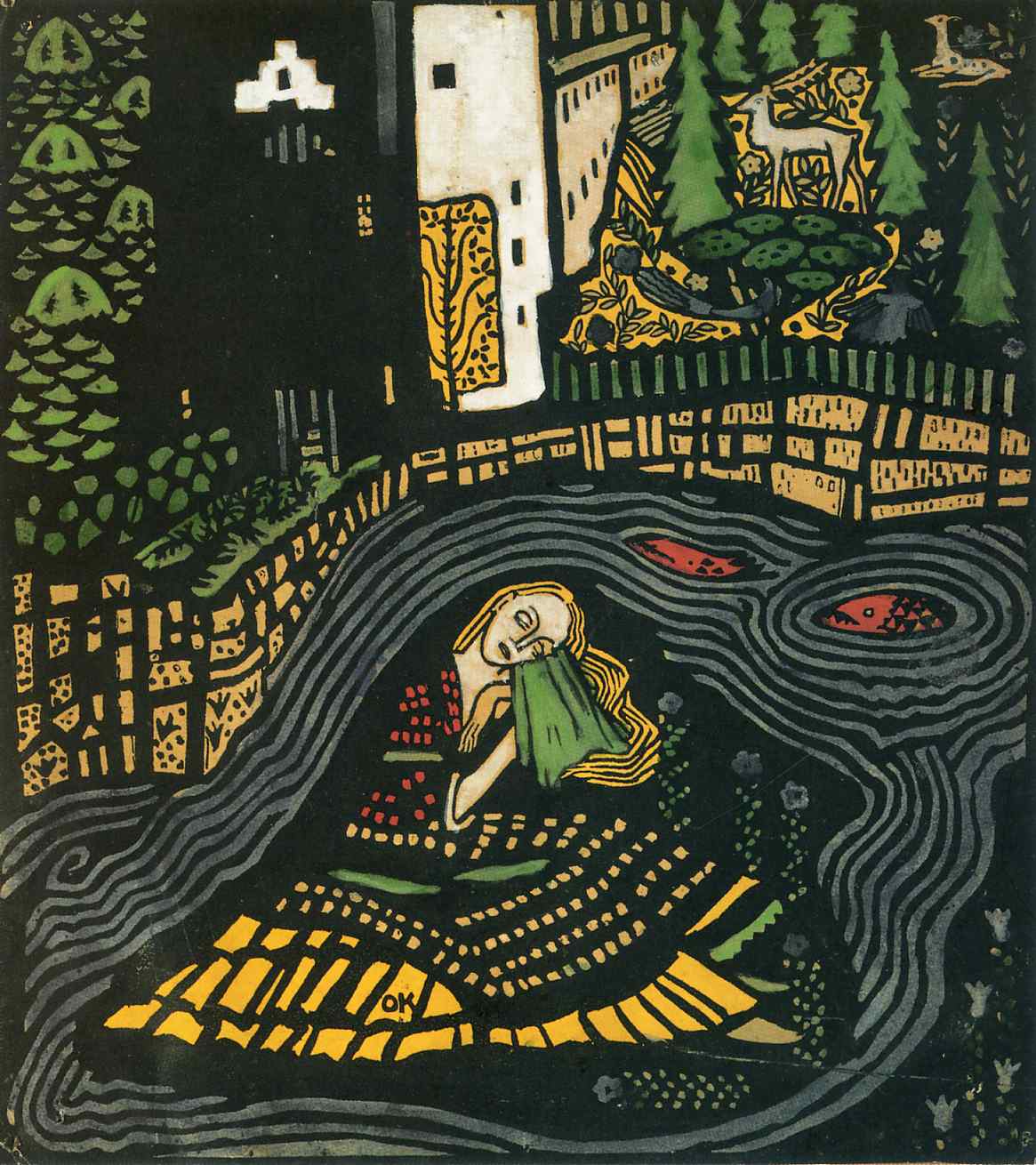
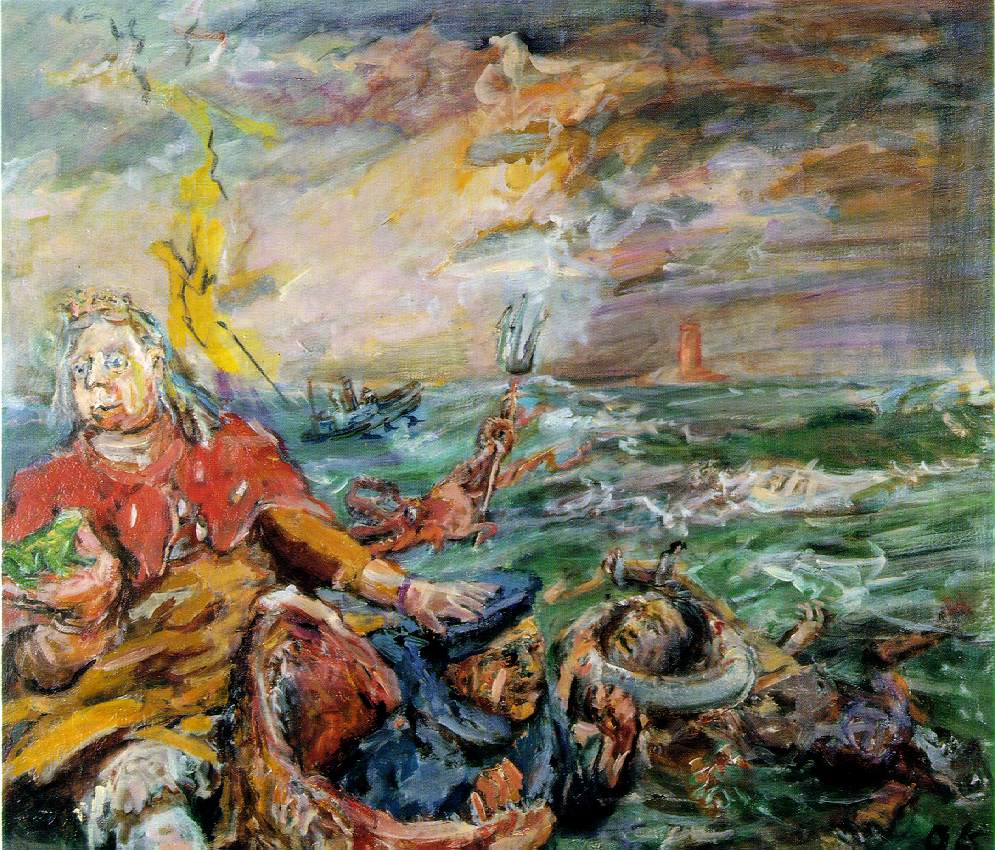
Loreley
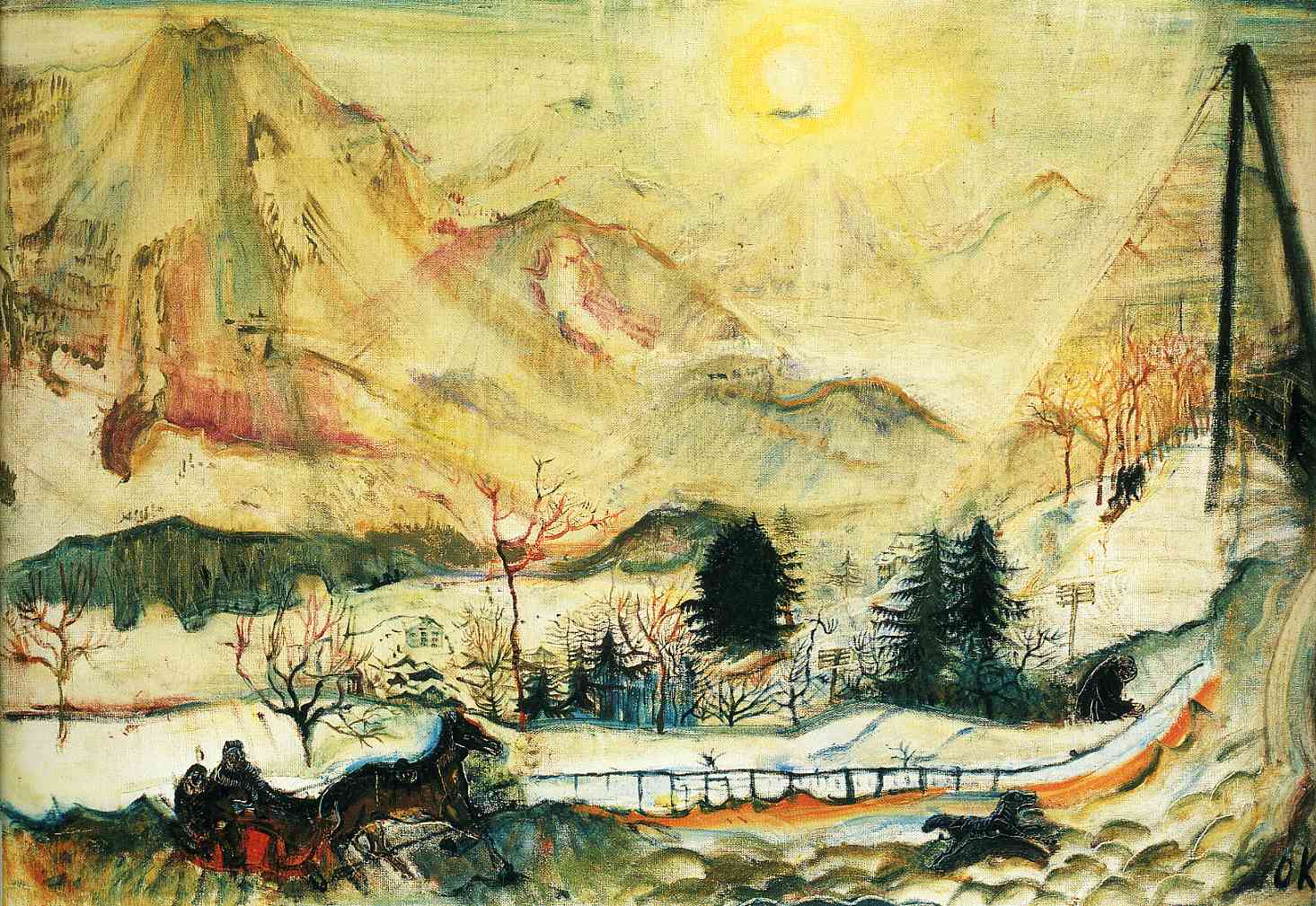
Dent du Midi
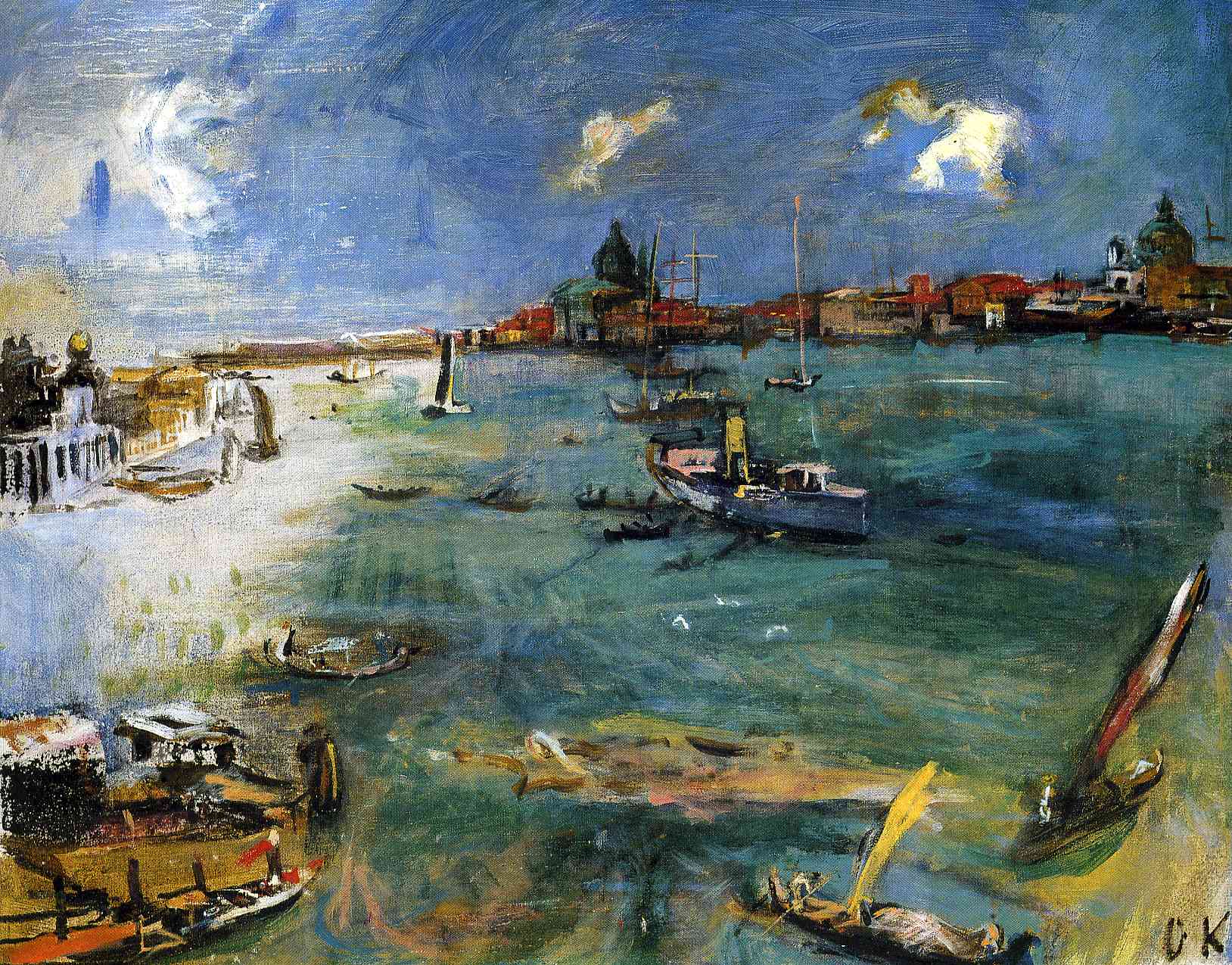
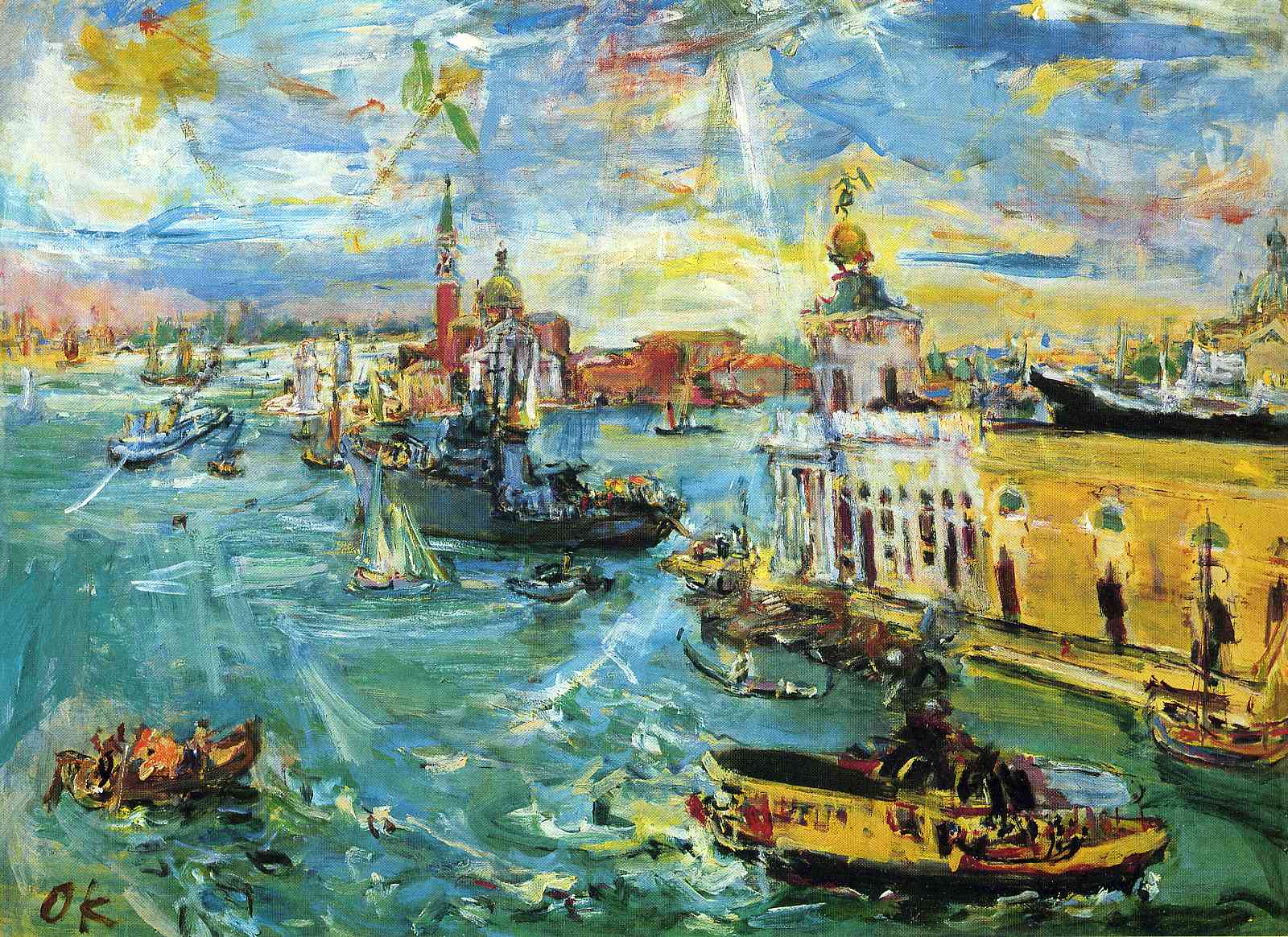
Venice - Boats on the Dogana
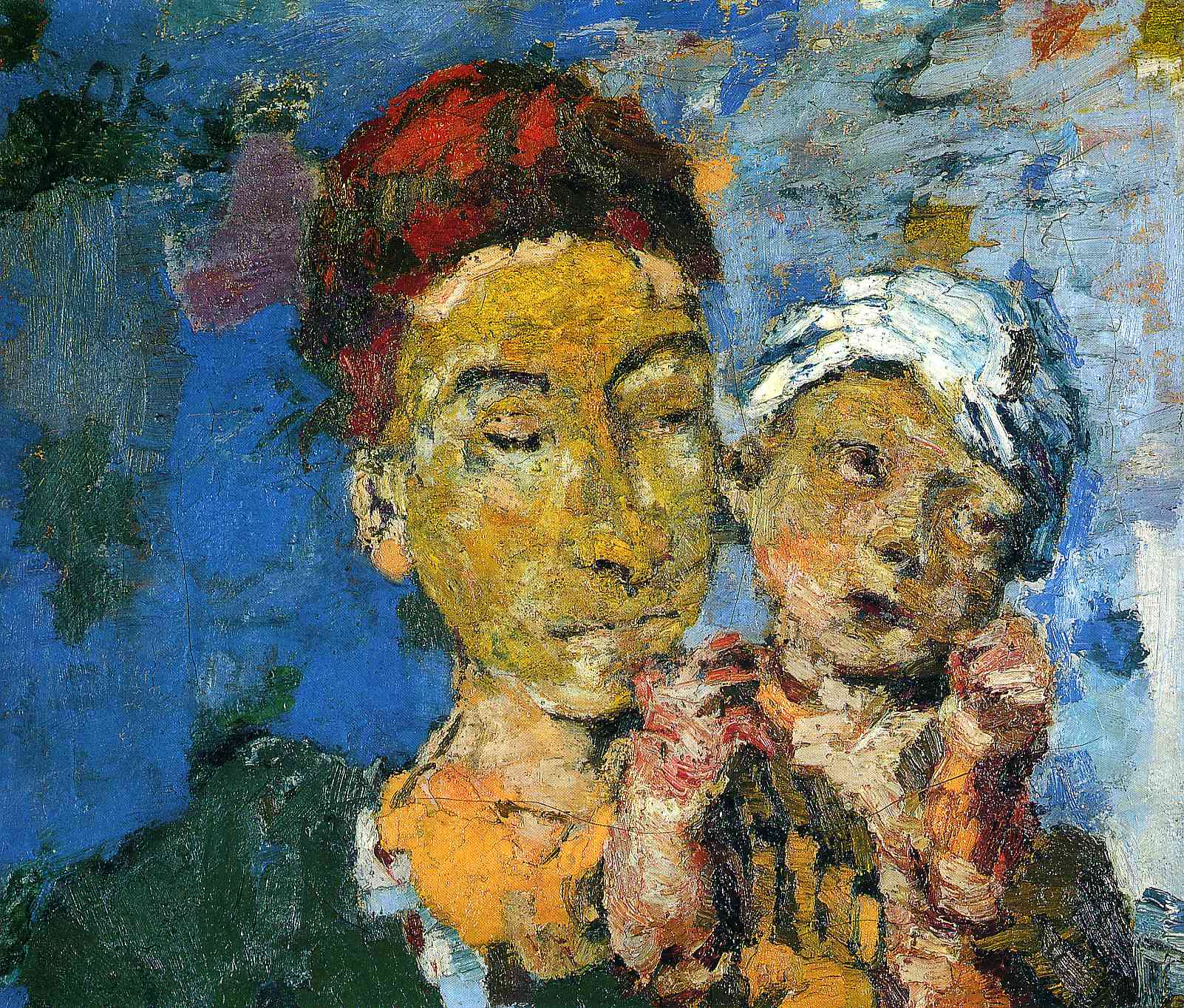
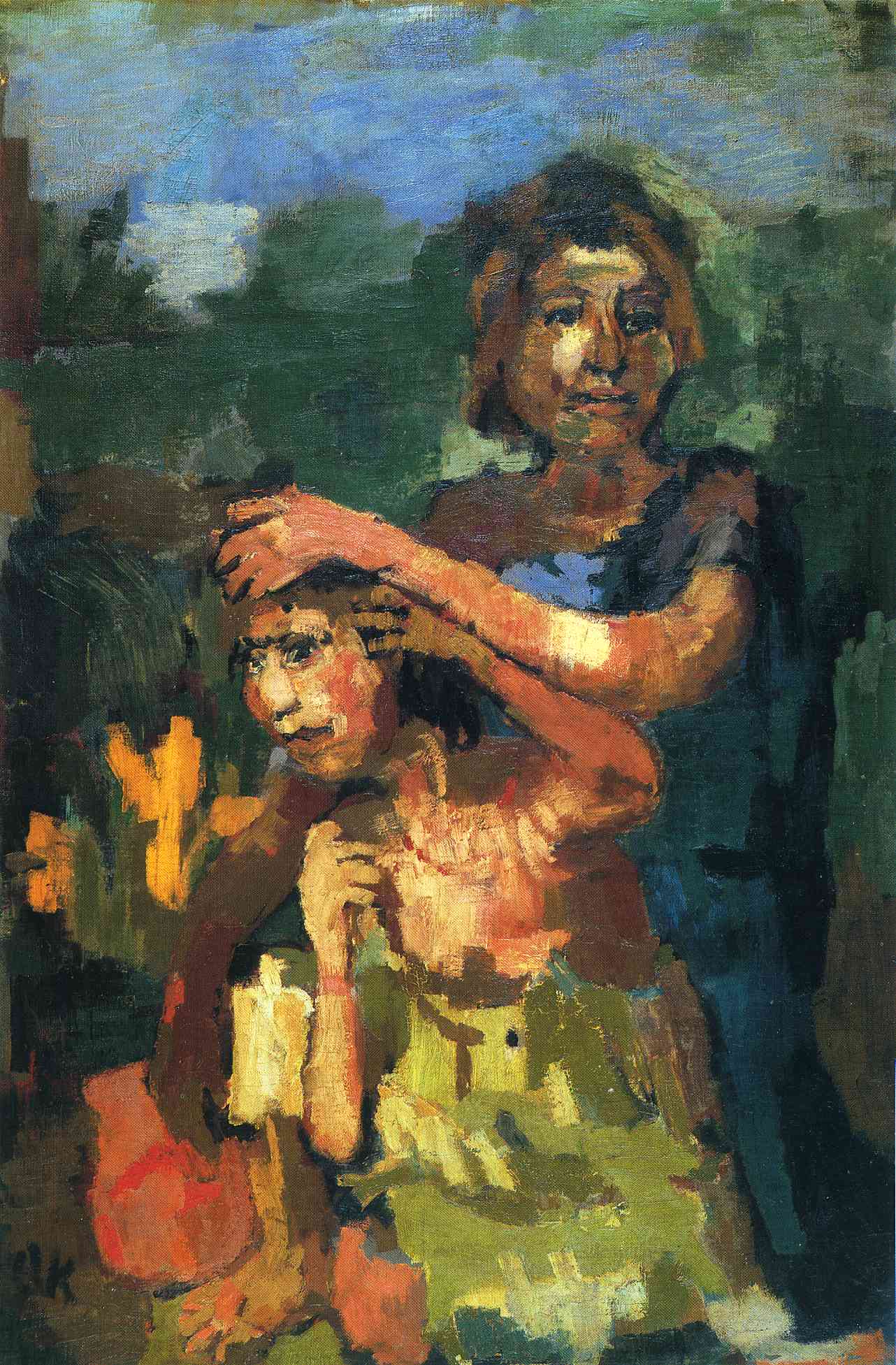
Two children
Venice Dogana
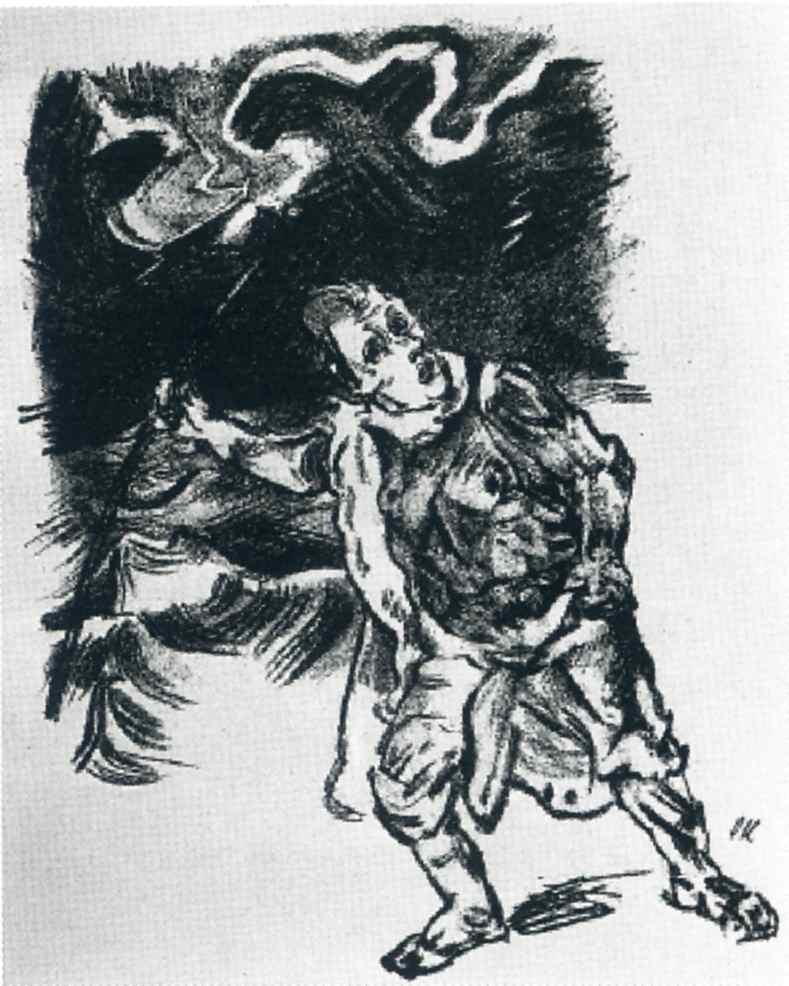
Traveler in a Thunderstorm
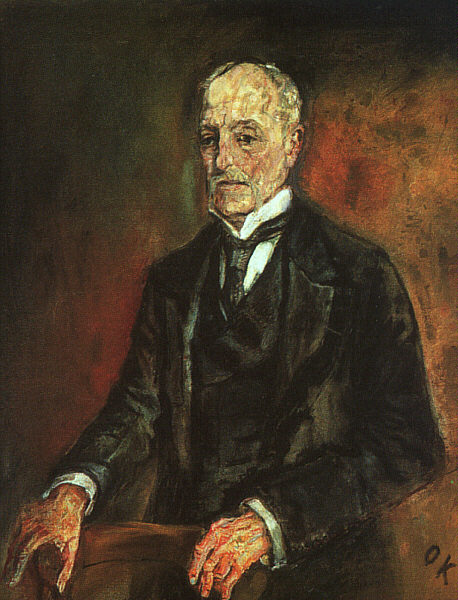
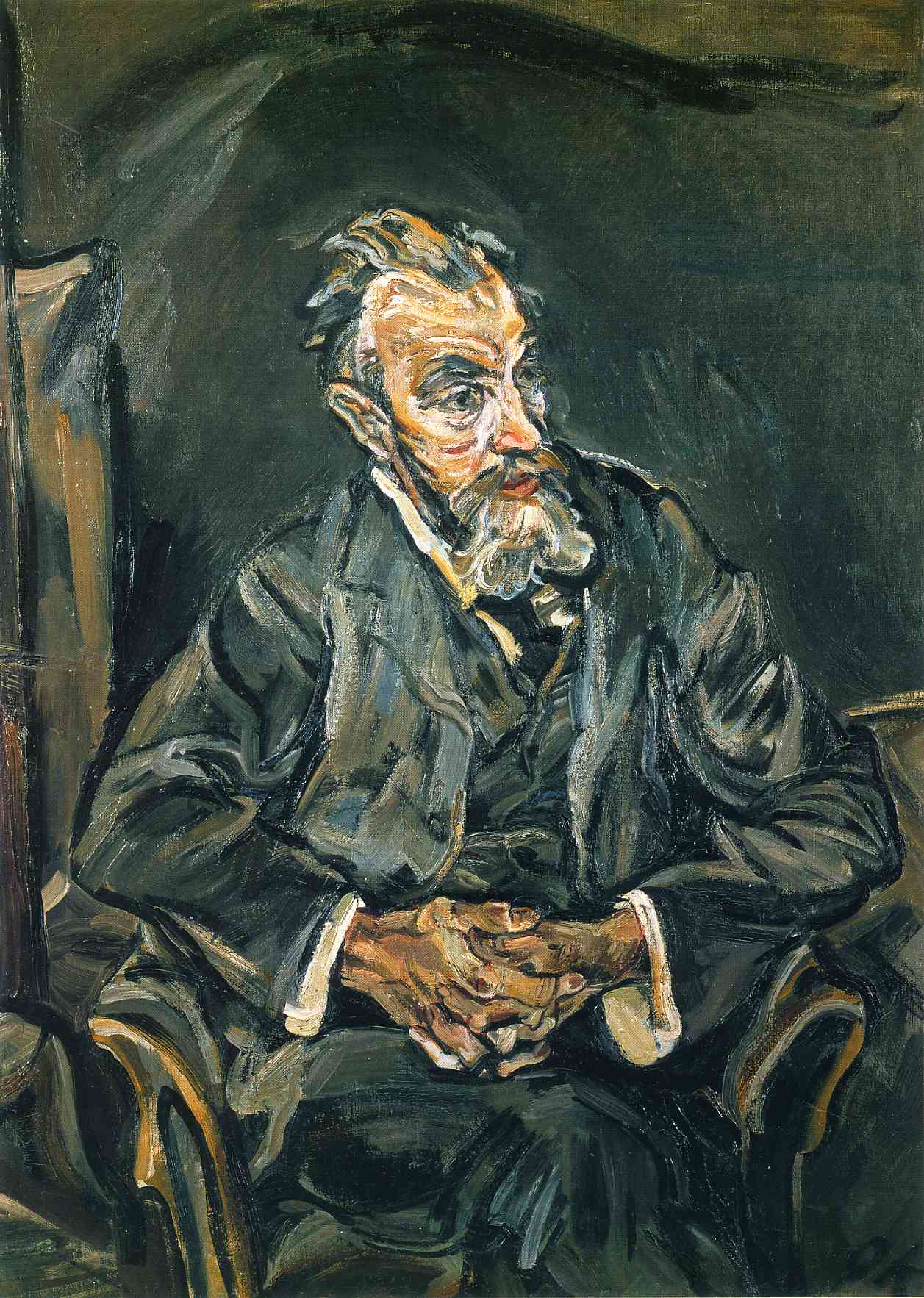
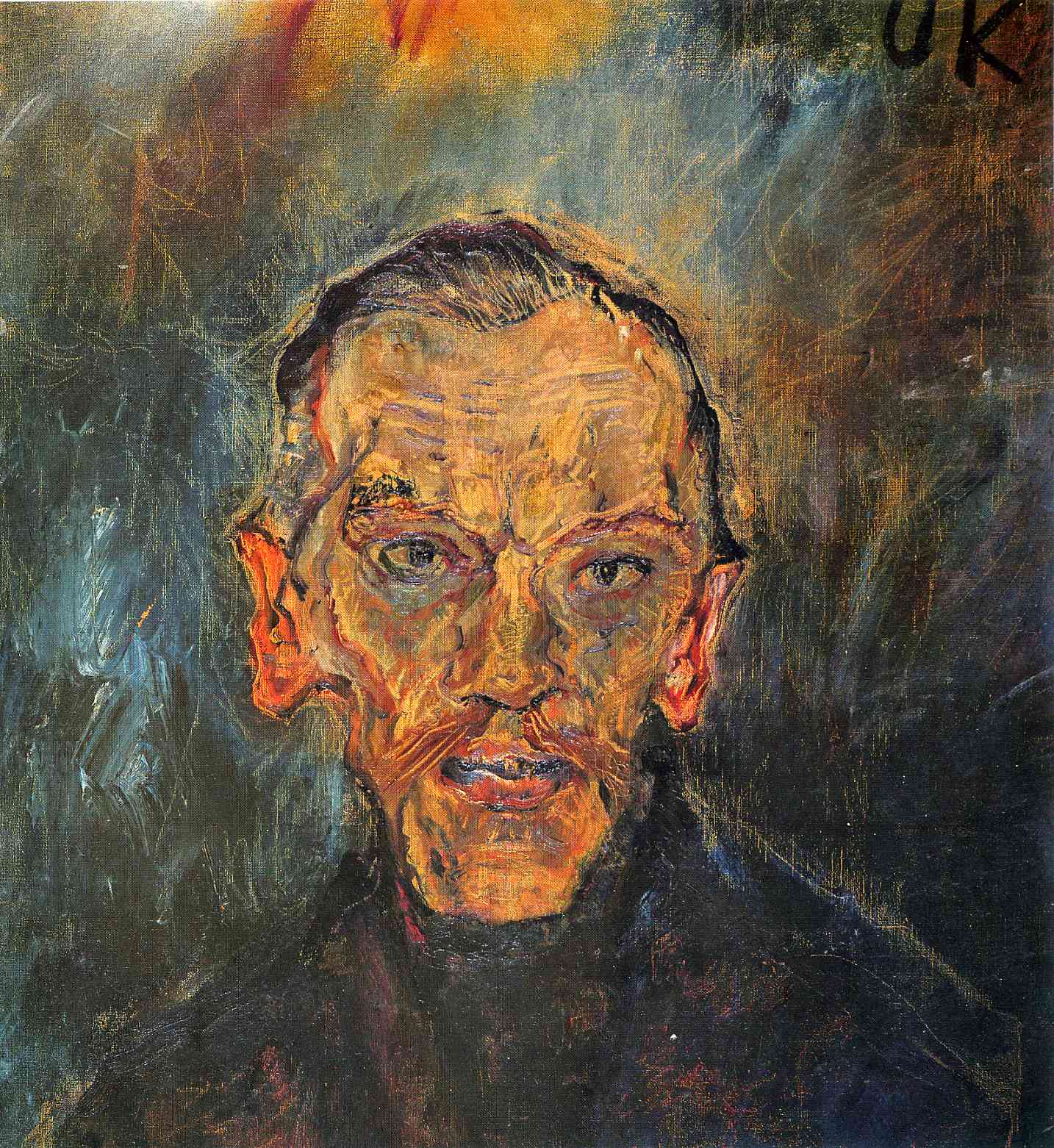
Ludwing Ritter von Janikowsky
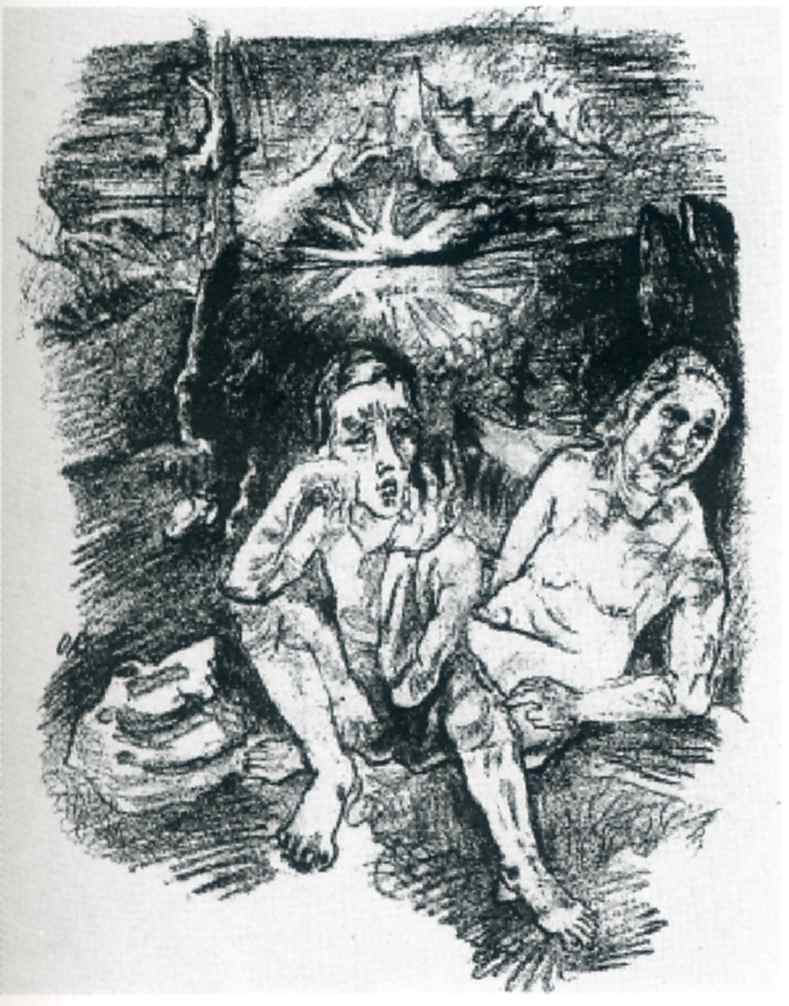
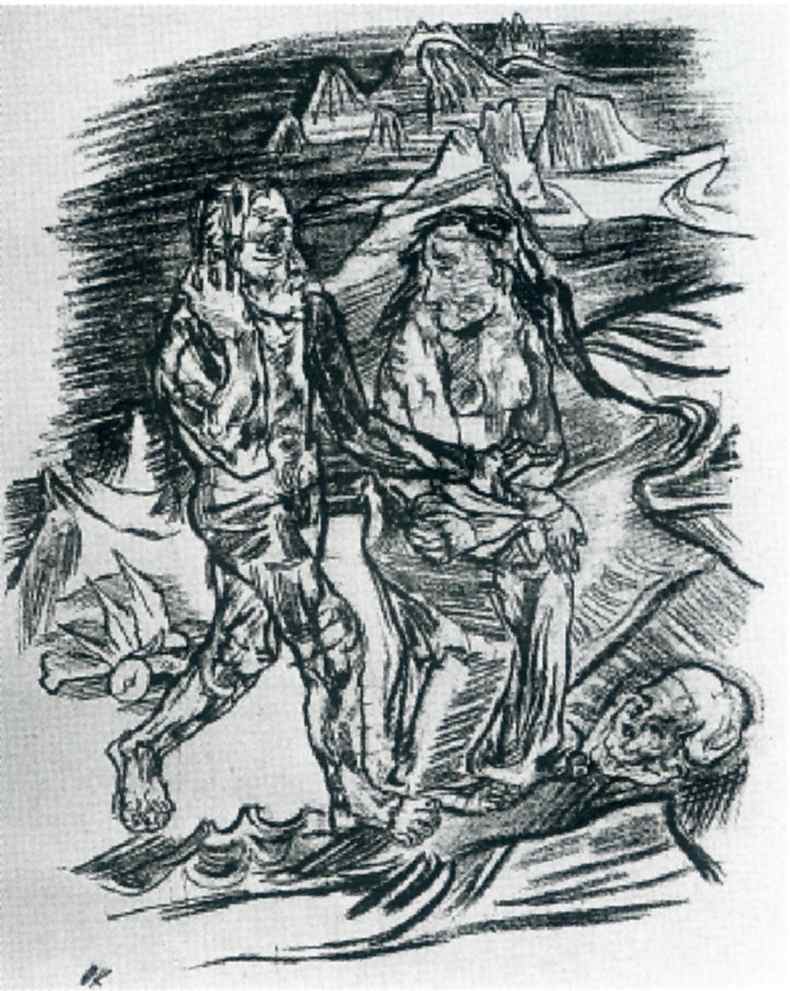
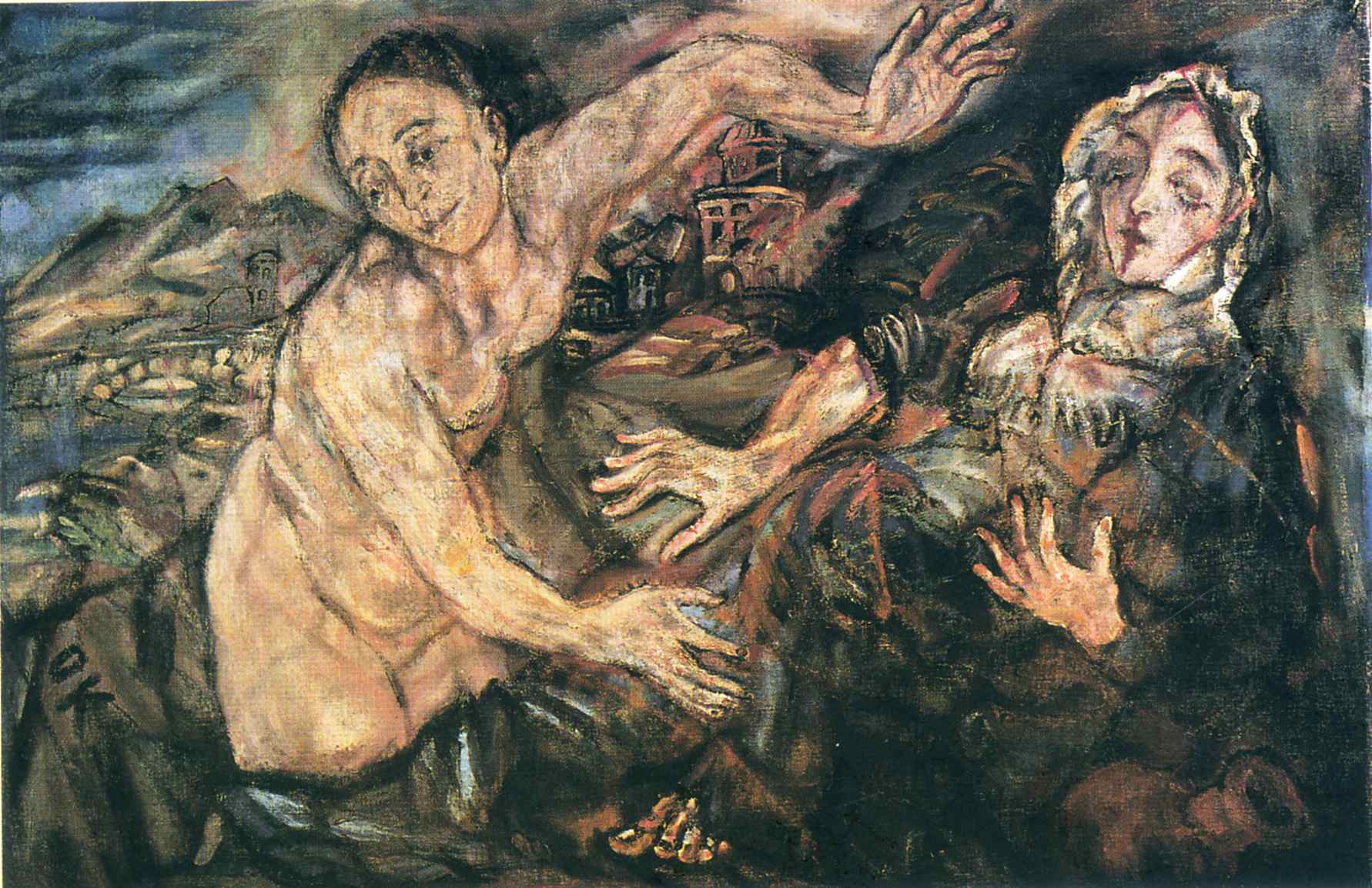
Man and Woman on the Road to Death
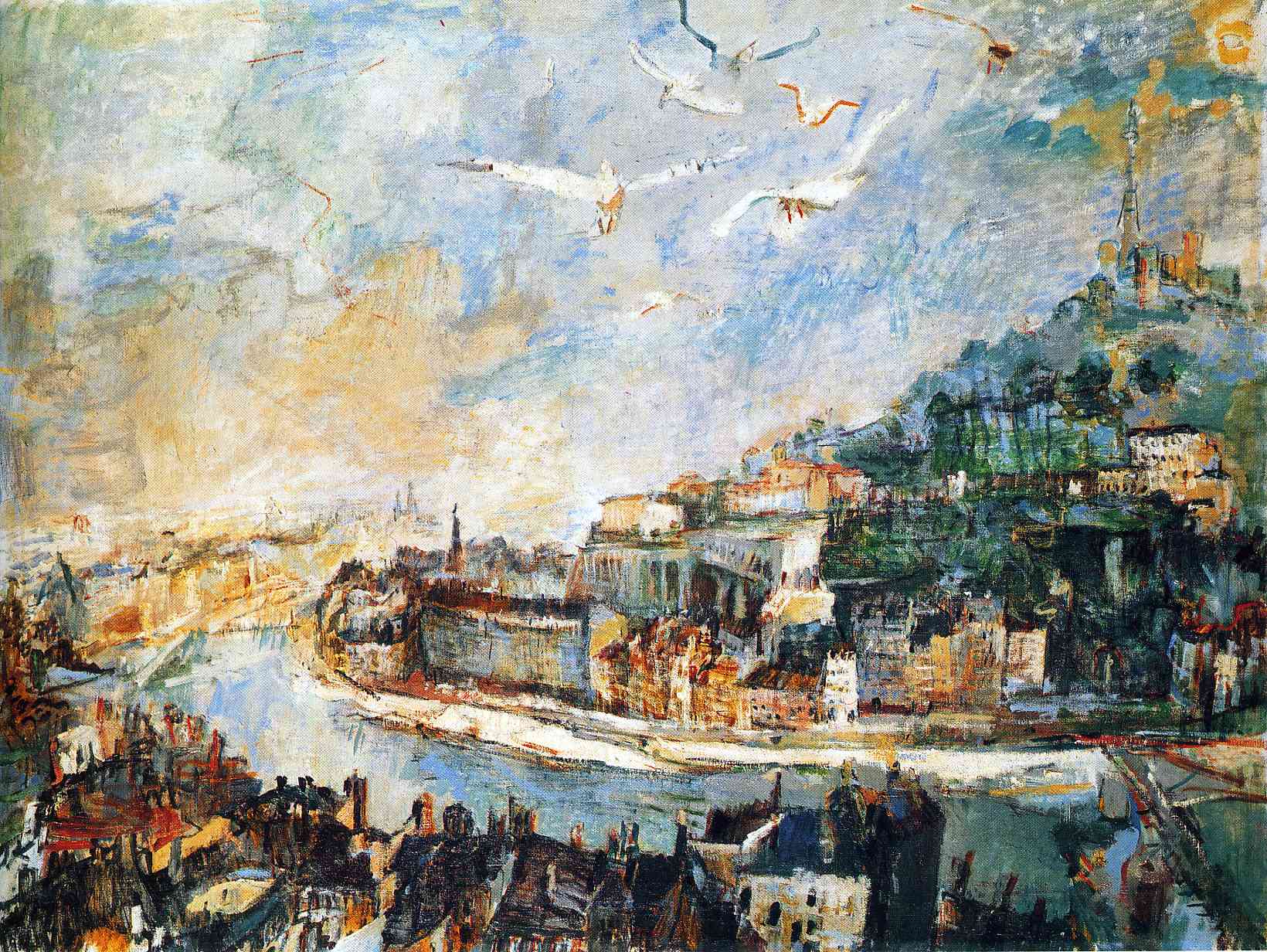
Lyon
The so-called Savoyard boy
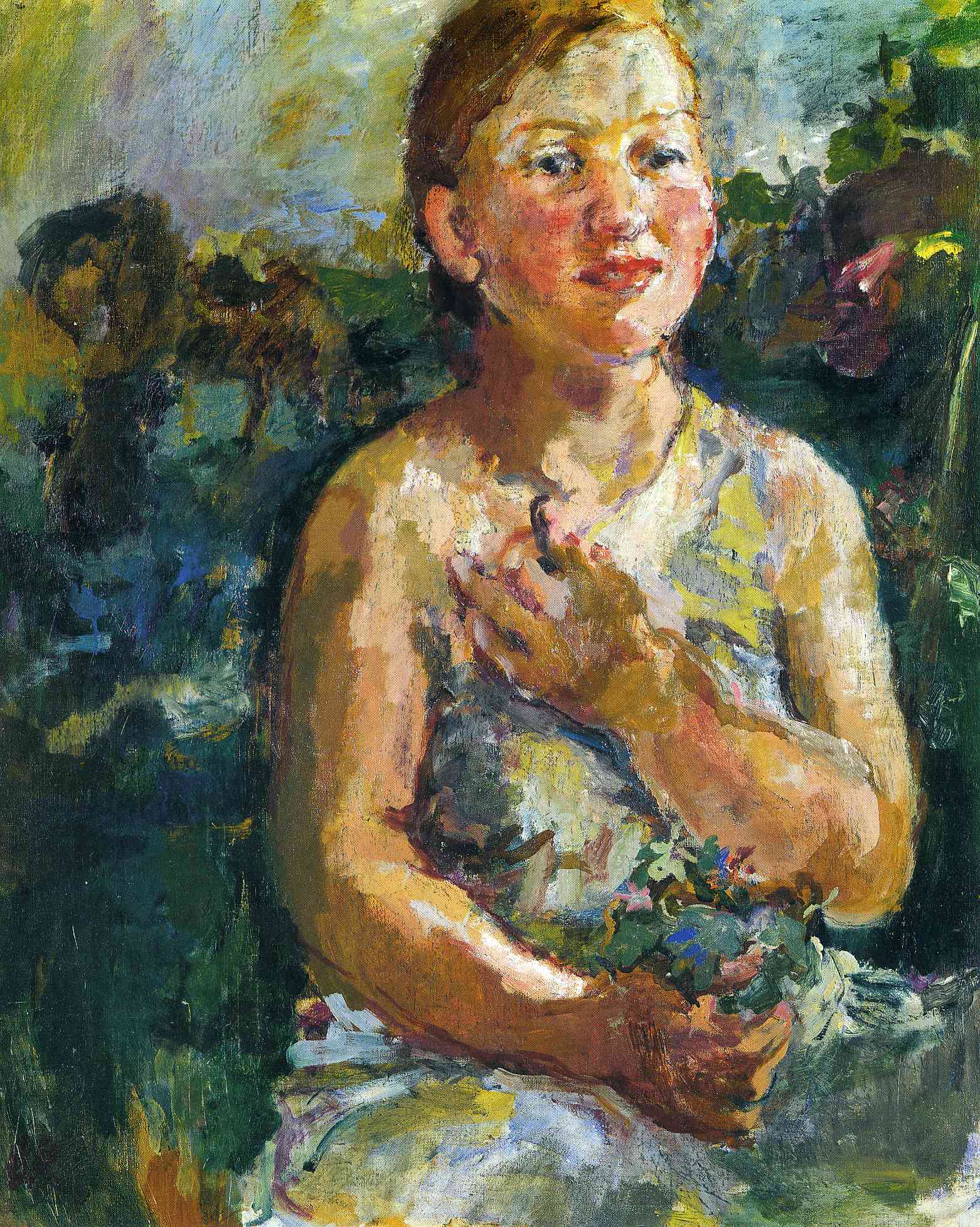
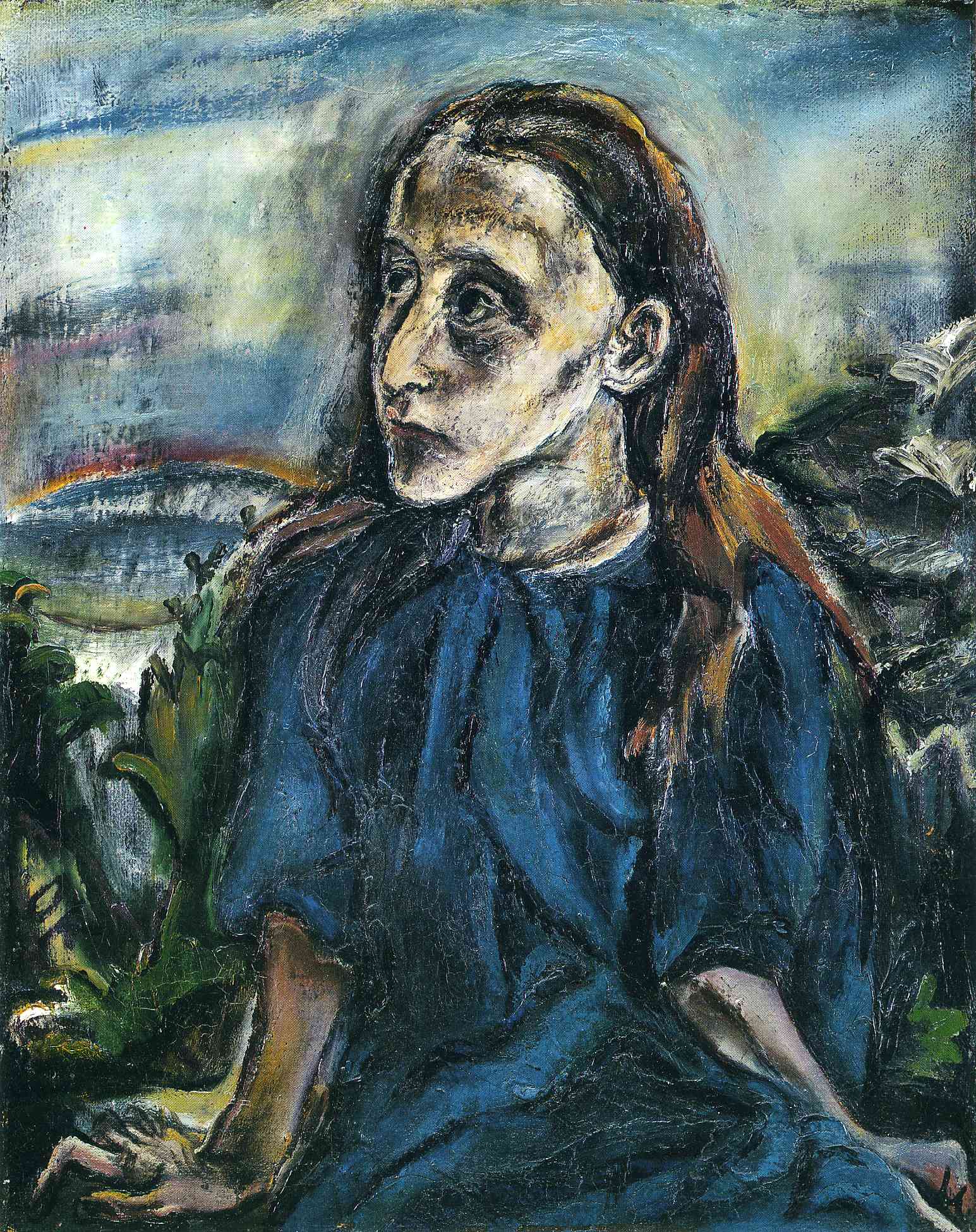
Portrait of a Young Girl
Self-Portrait with Doll
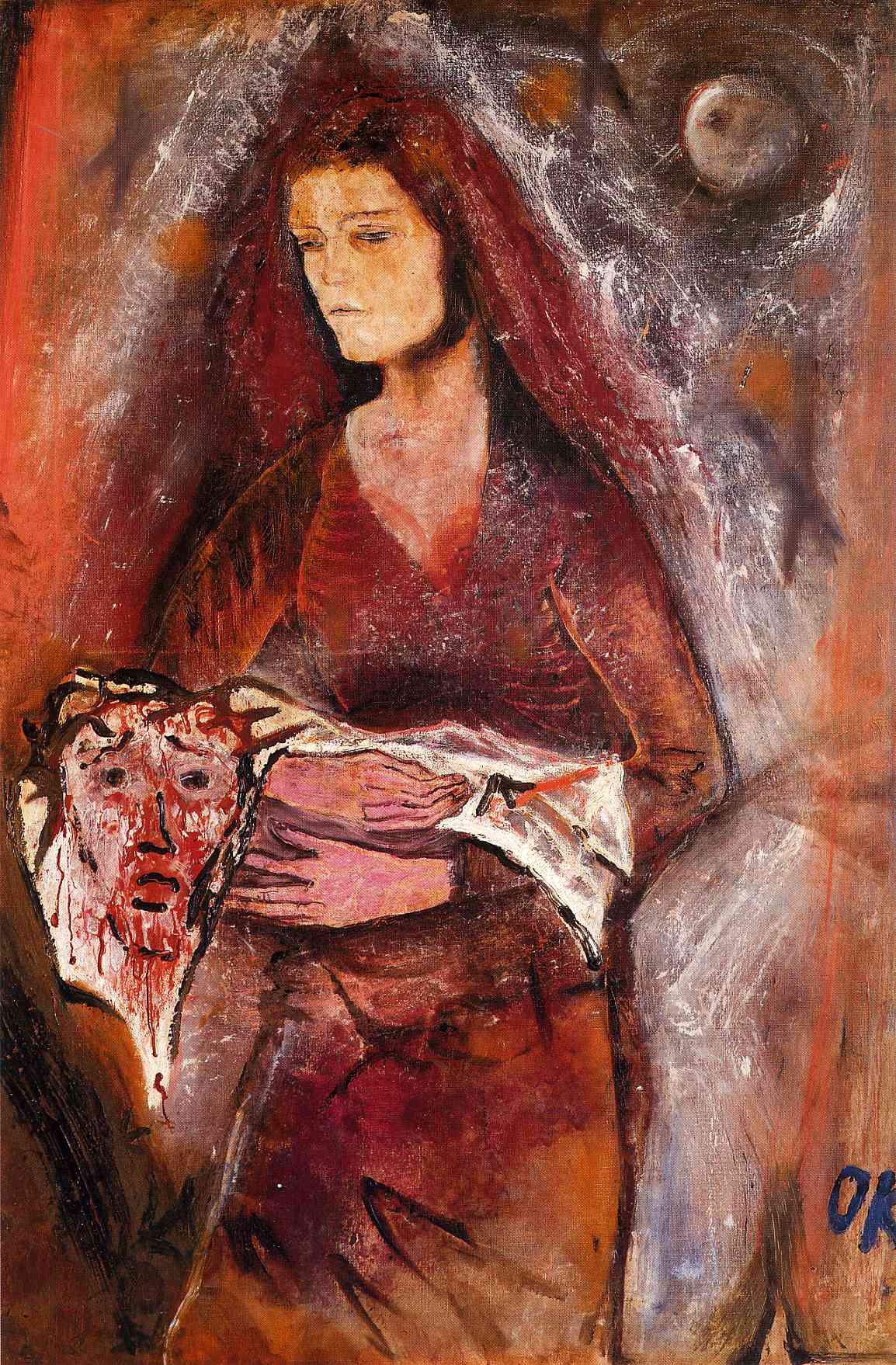
Pieta
Conte Verona
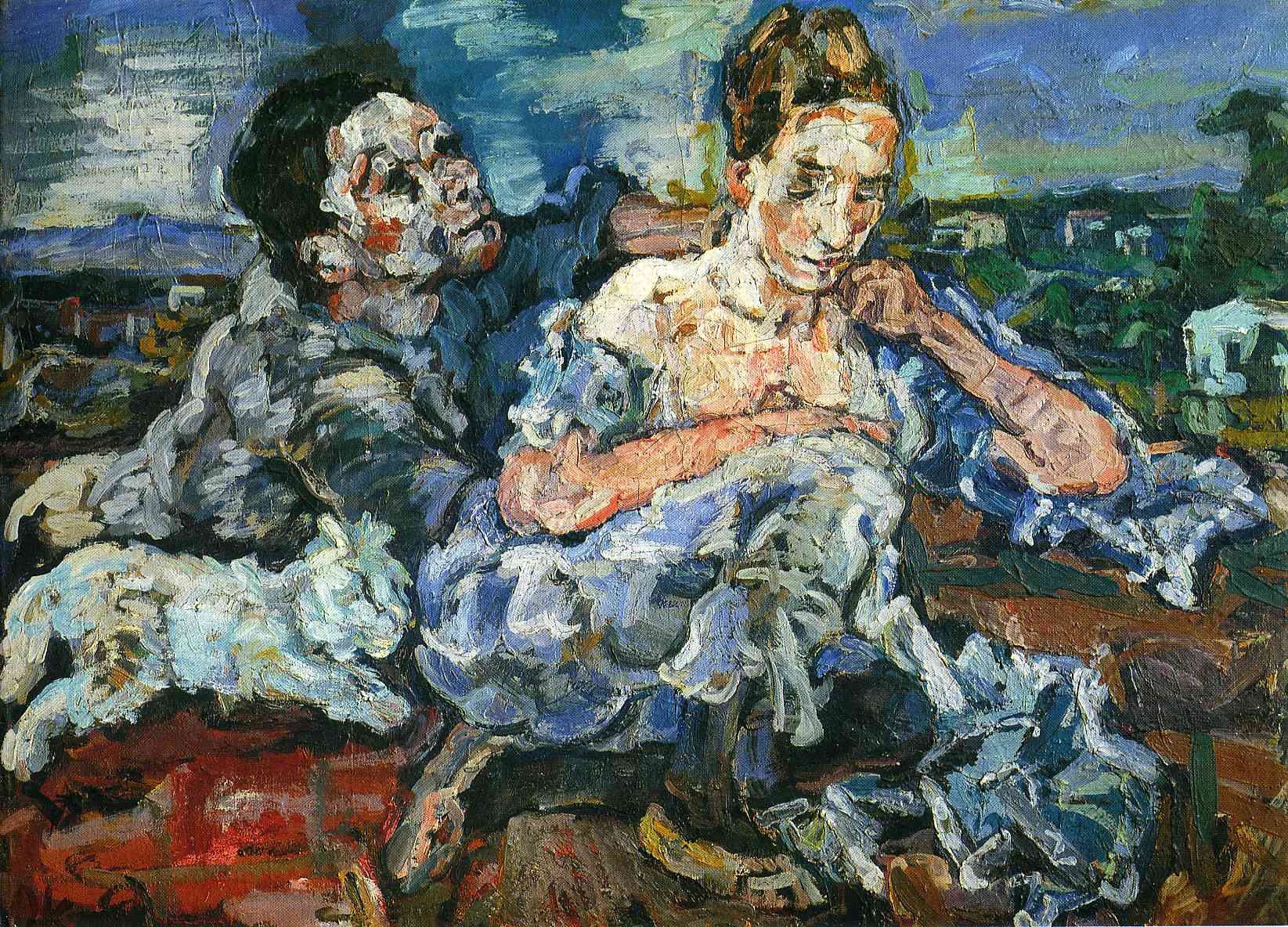
The Woman Leads the Man
Martha Hirsch
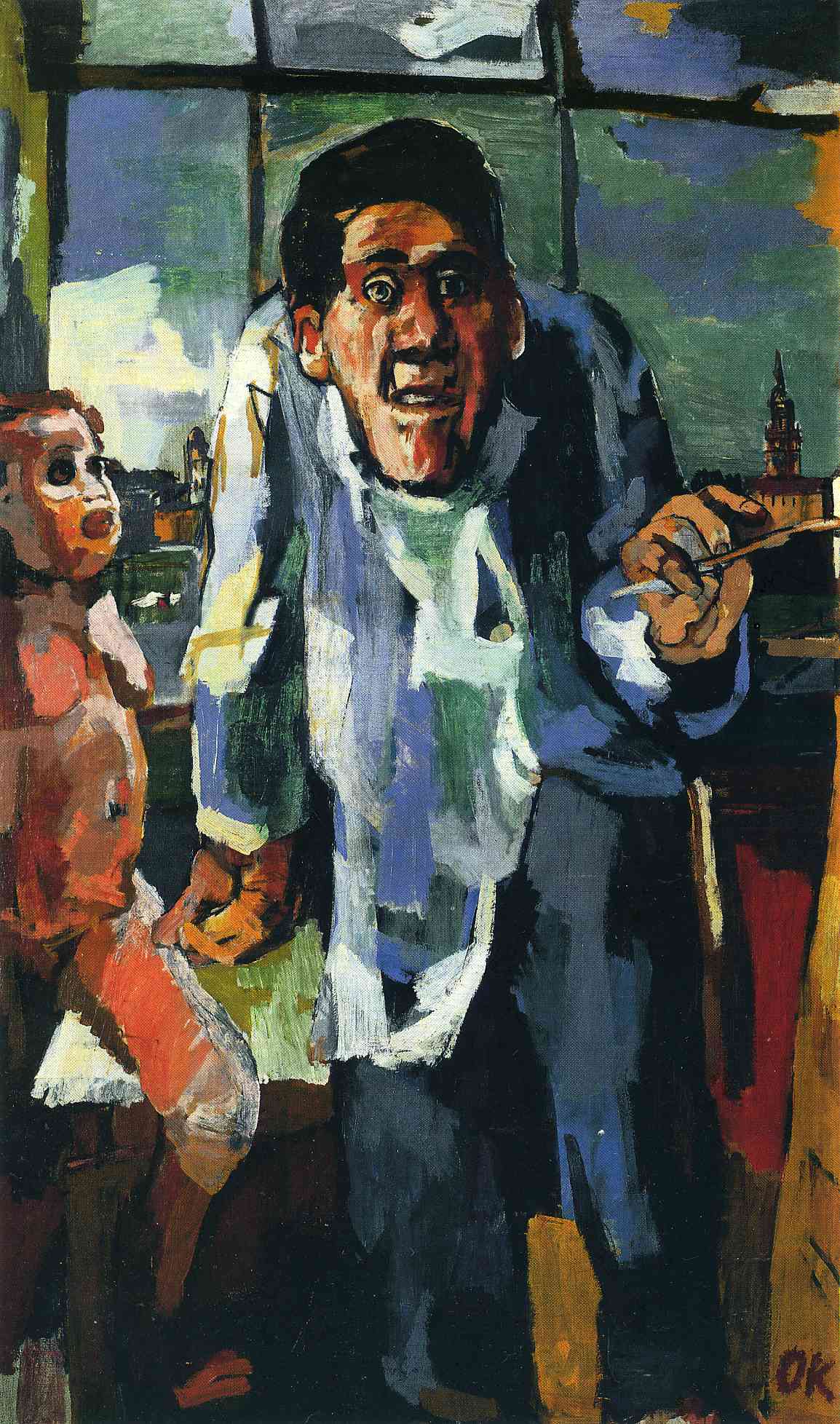
Self-portrait of a 'Degenerate Artist'
Flight into Egypt
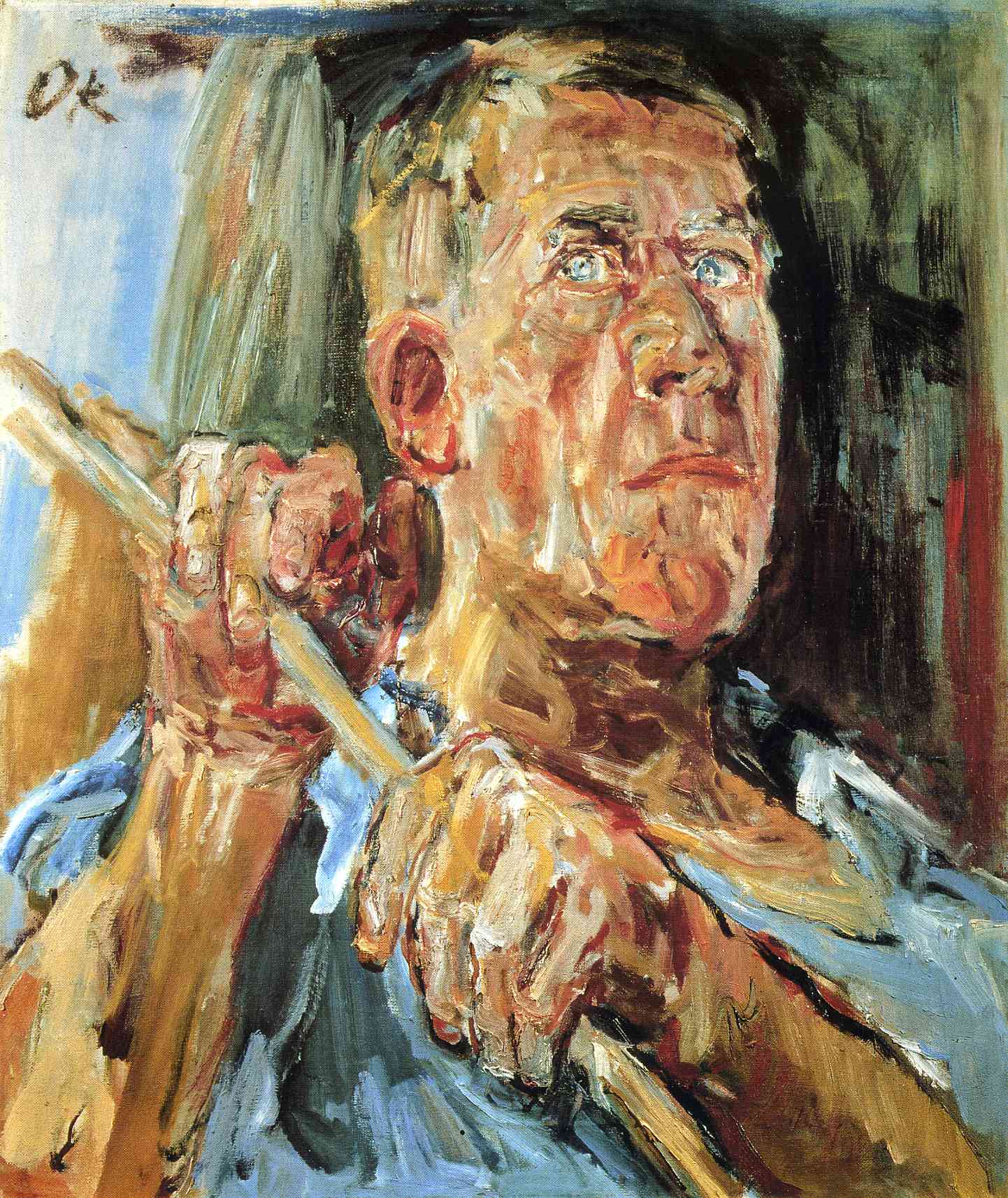
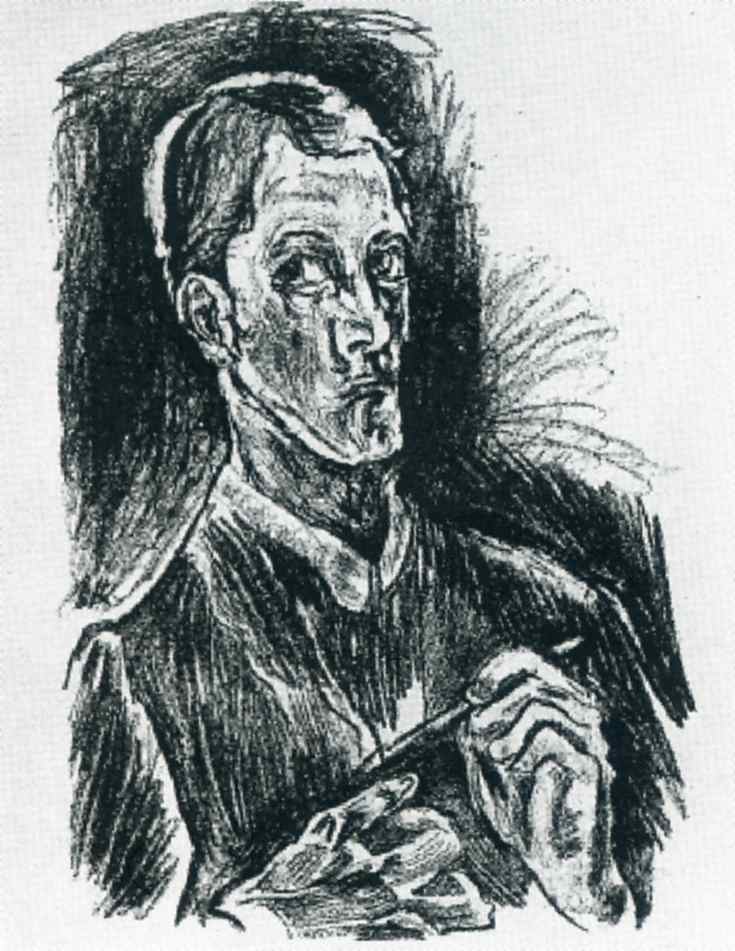
Self-Portrait (bust with pen)
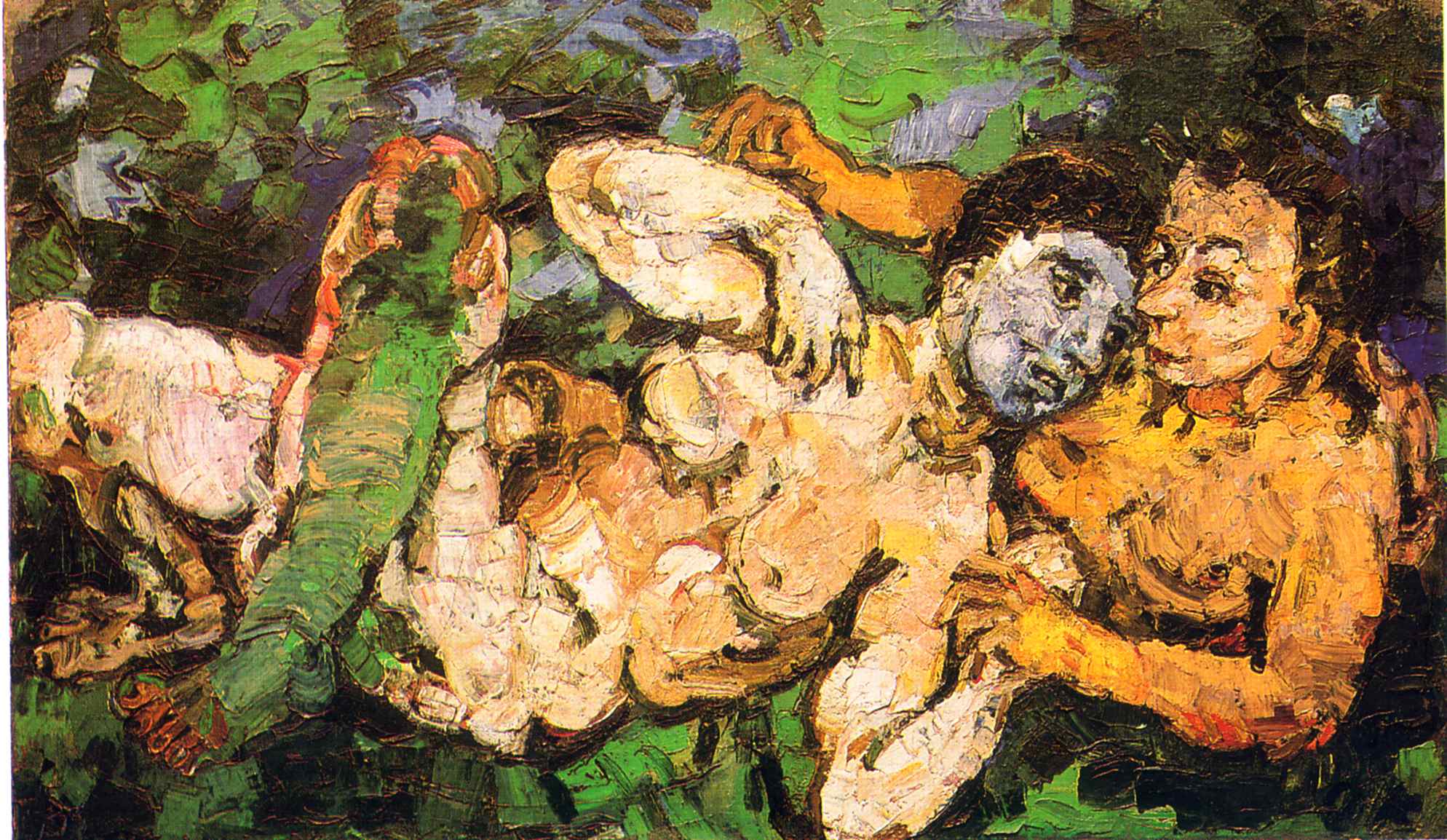
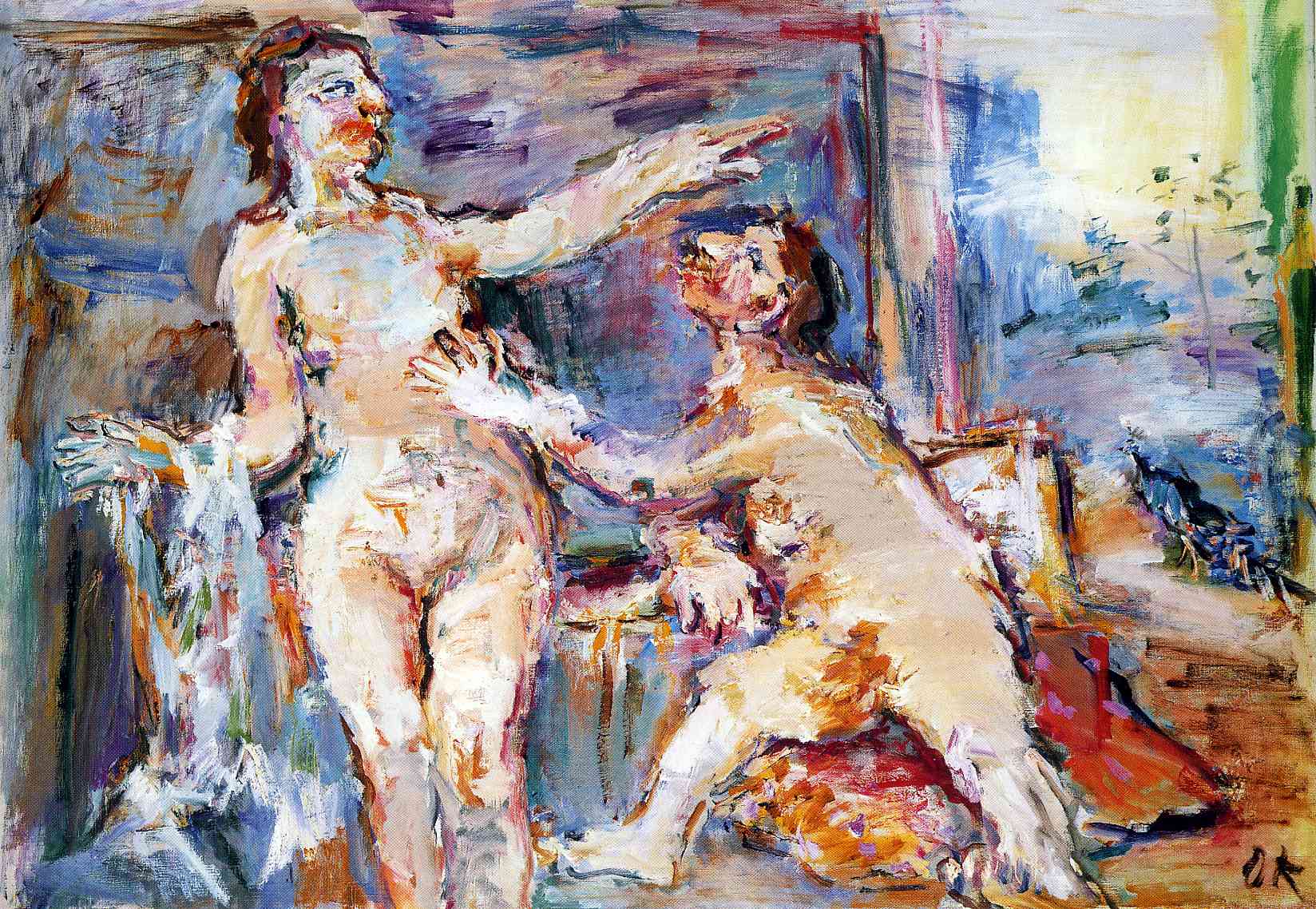
Two Nudes (Lovers)
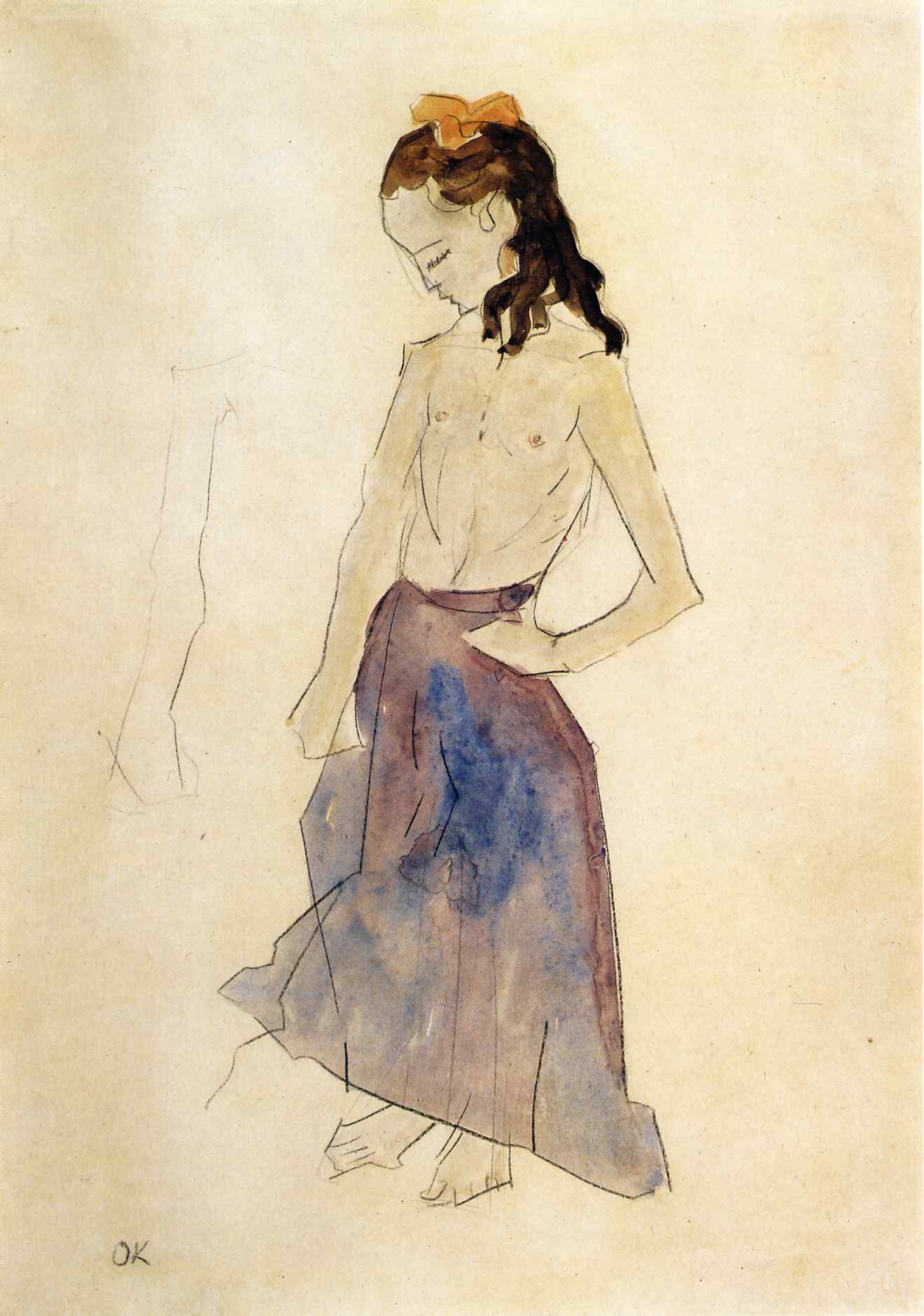
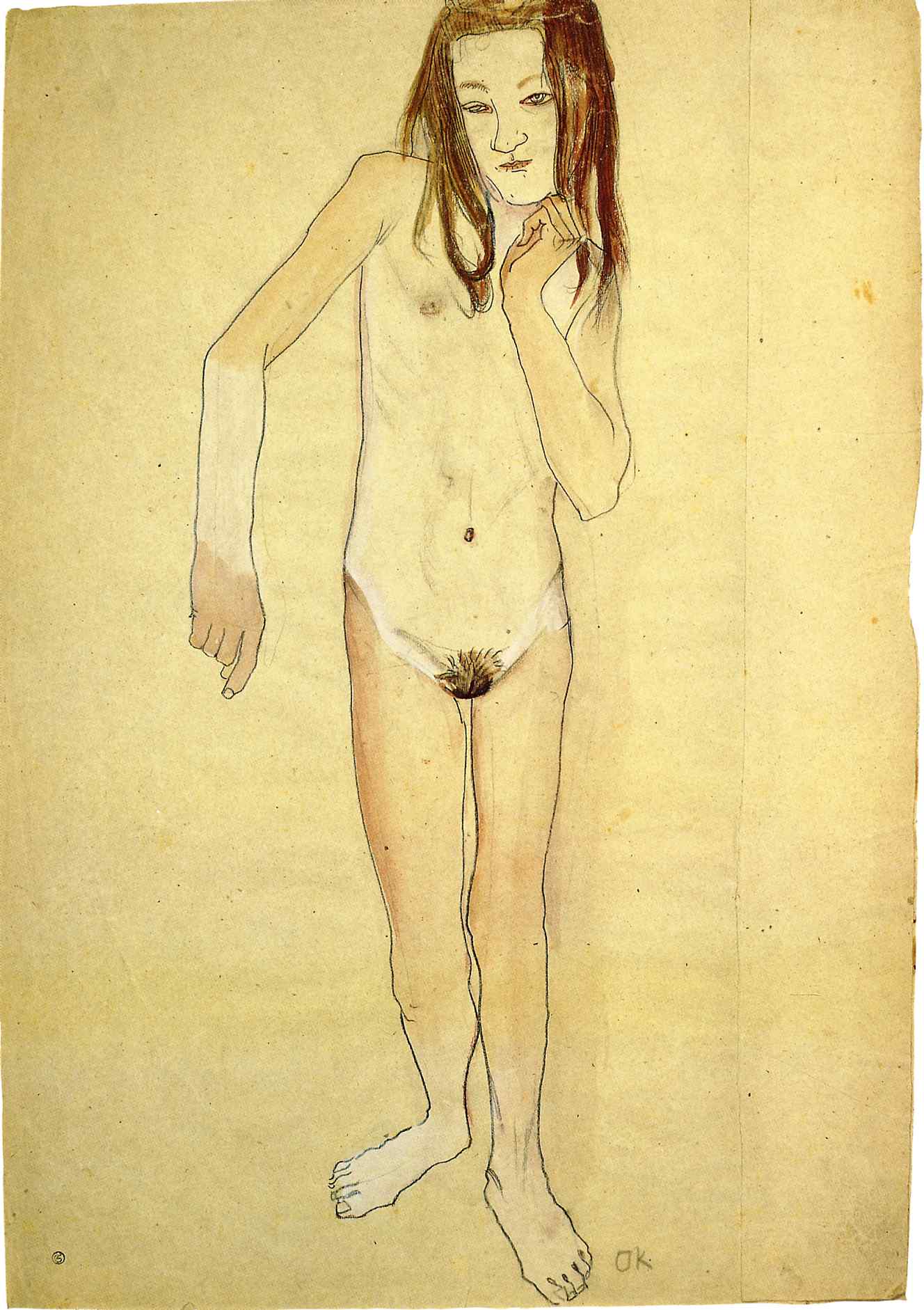
Nude Girl Standing
The Annunciation
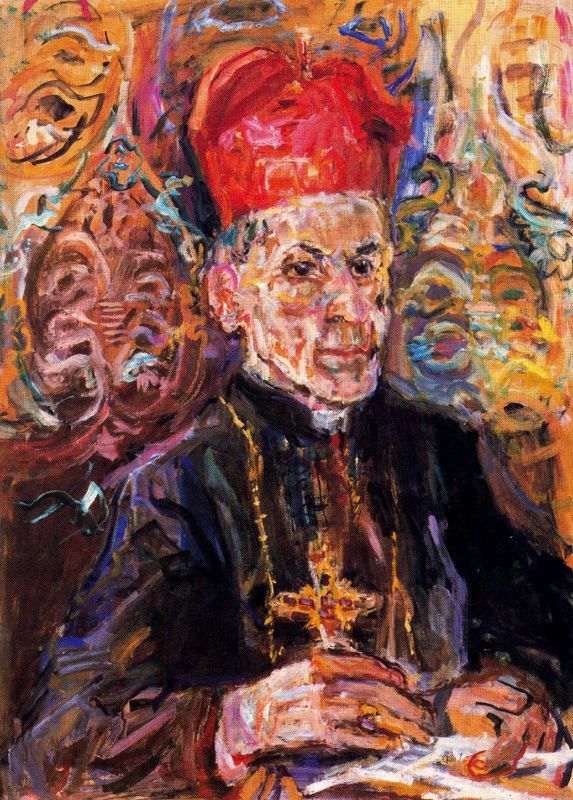
Cardinal della Costa
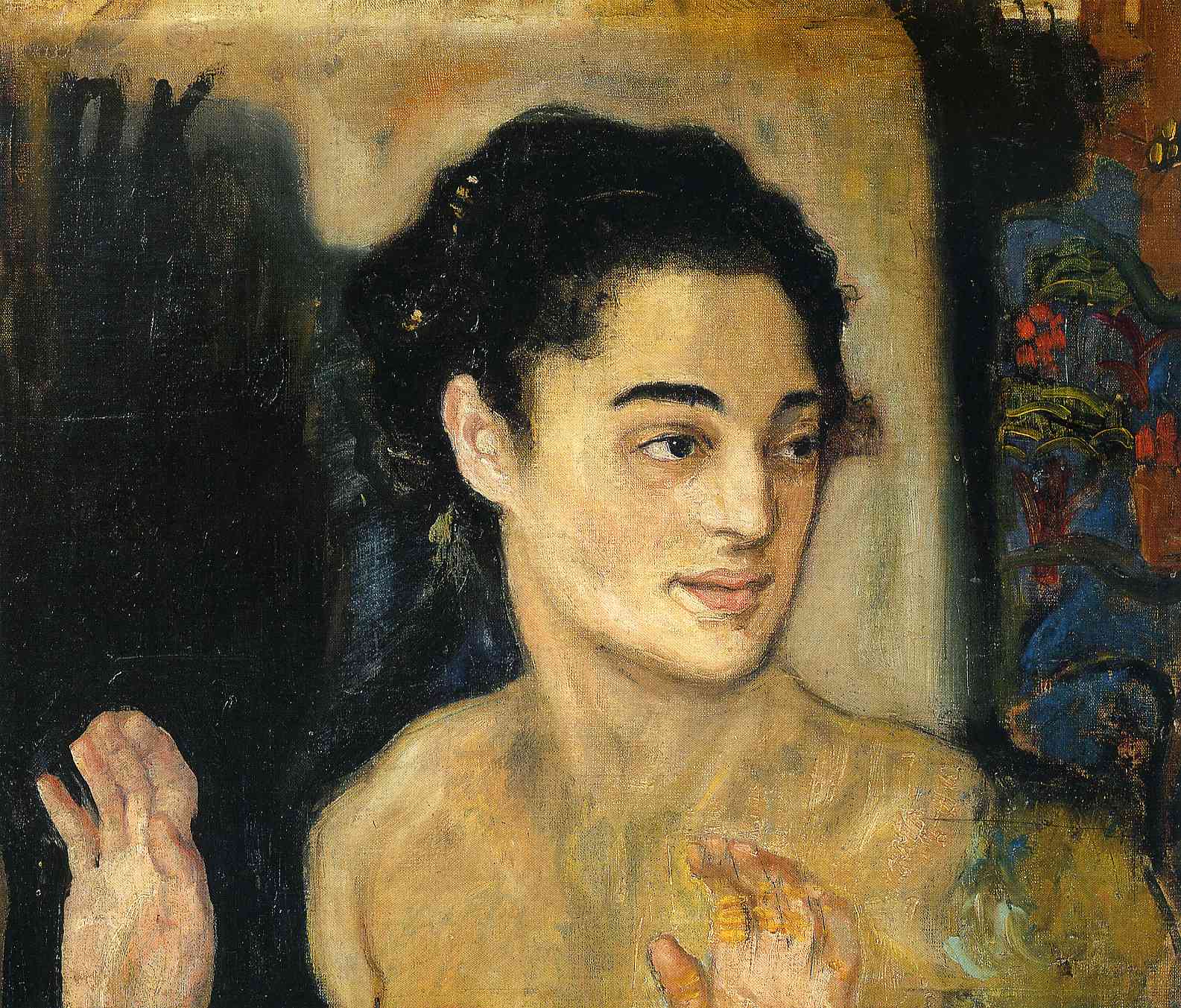
Girl with hands raised
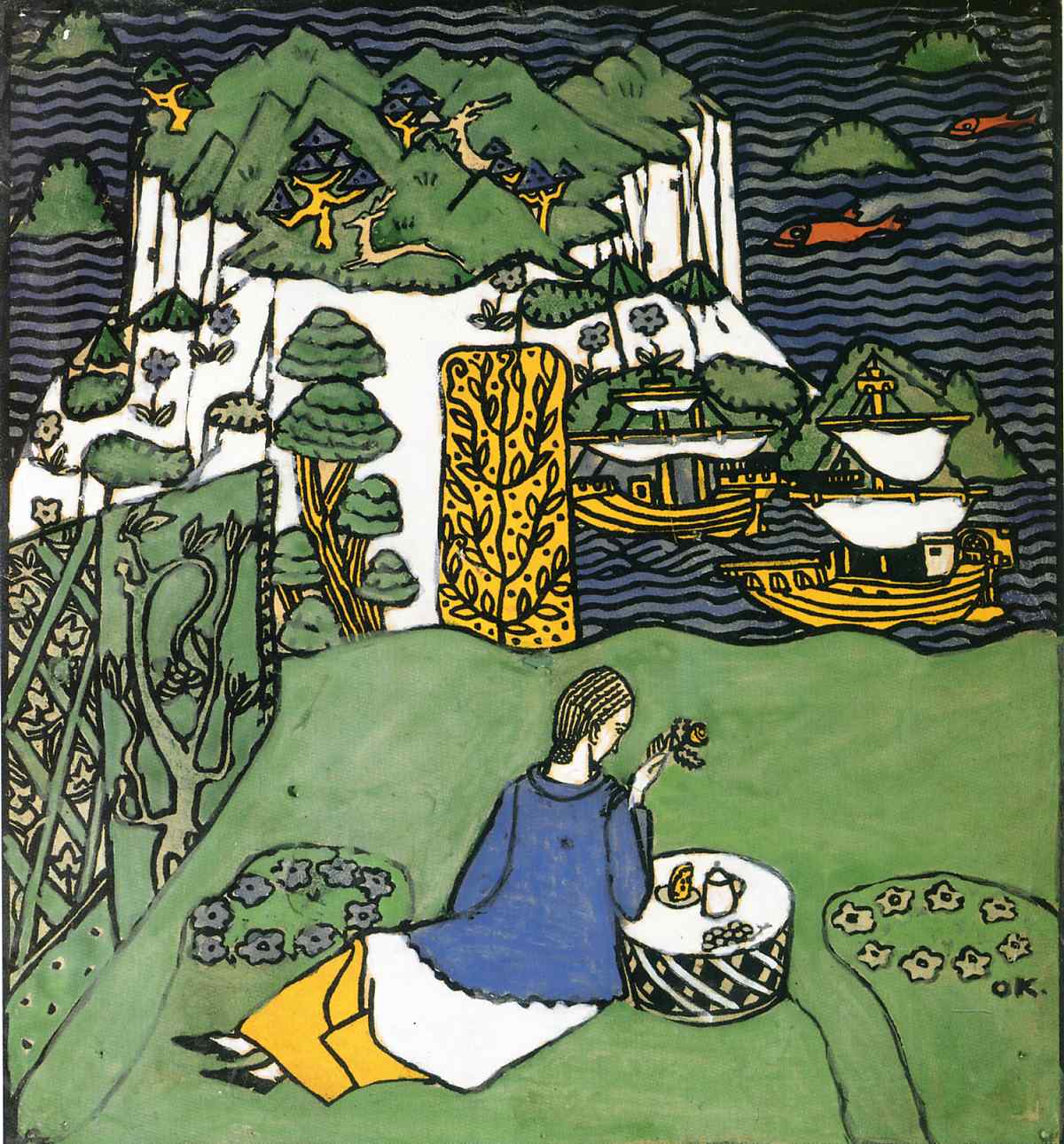
The Distant Island
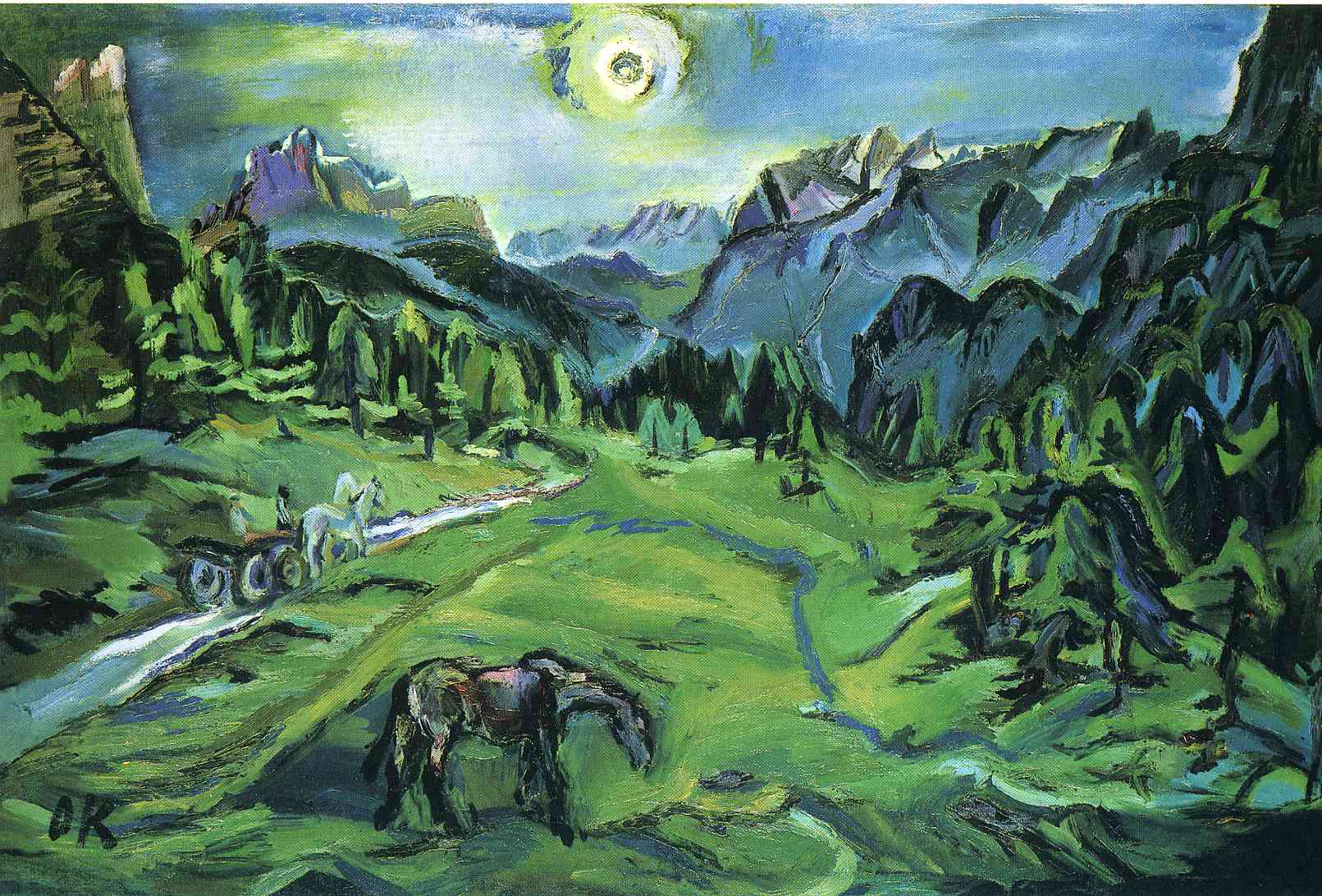
Dolomite Landscape: Tre Croci
Views
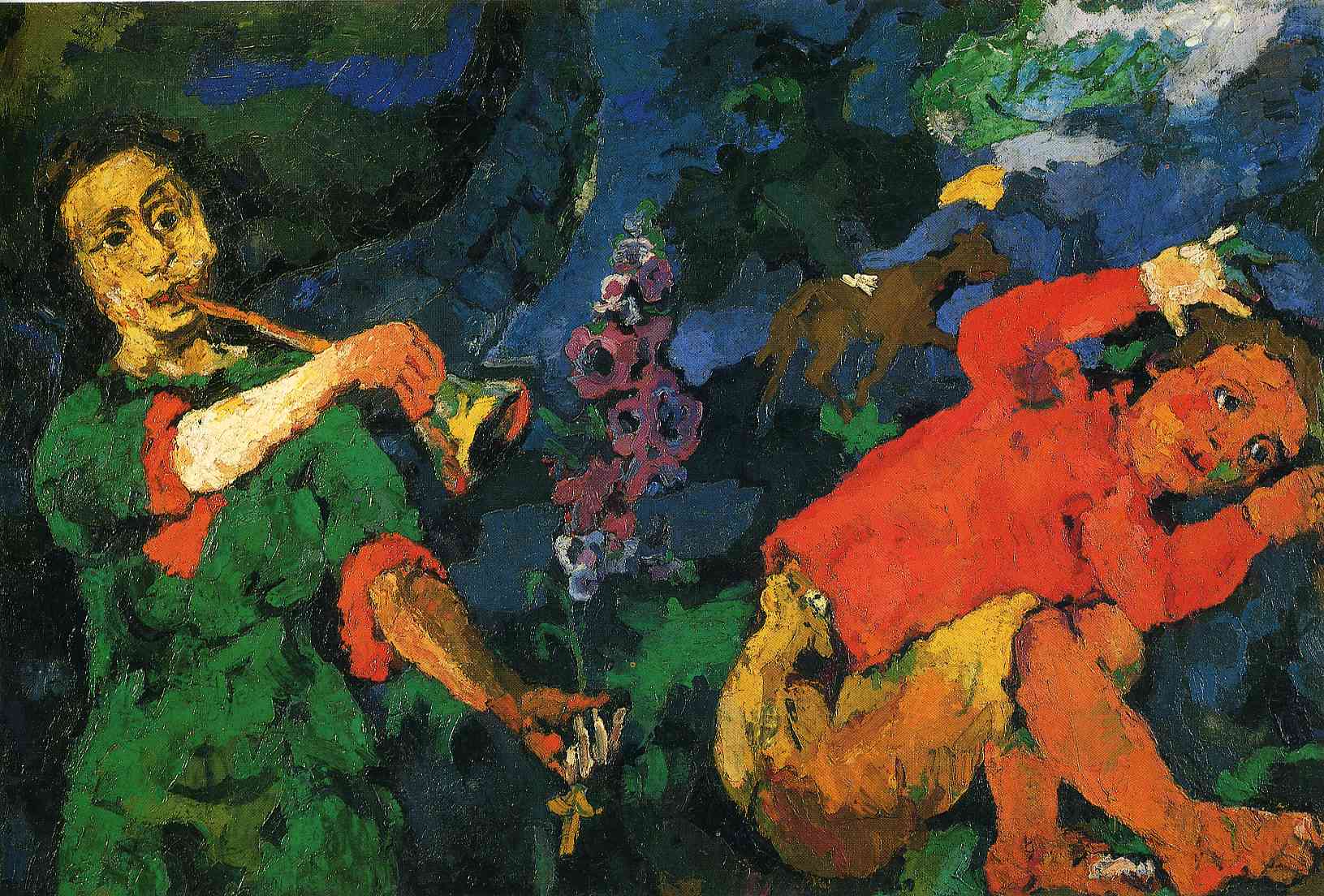
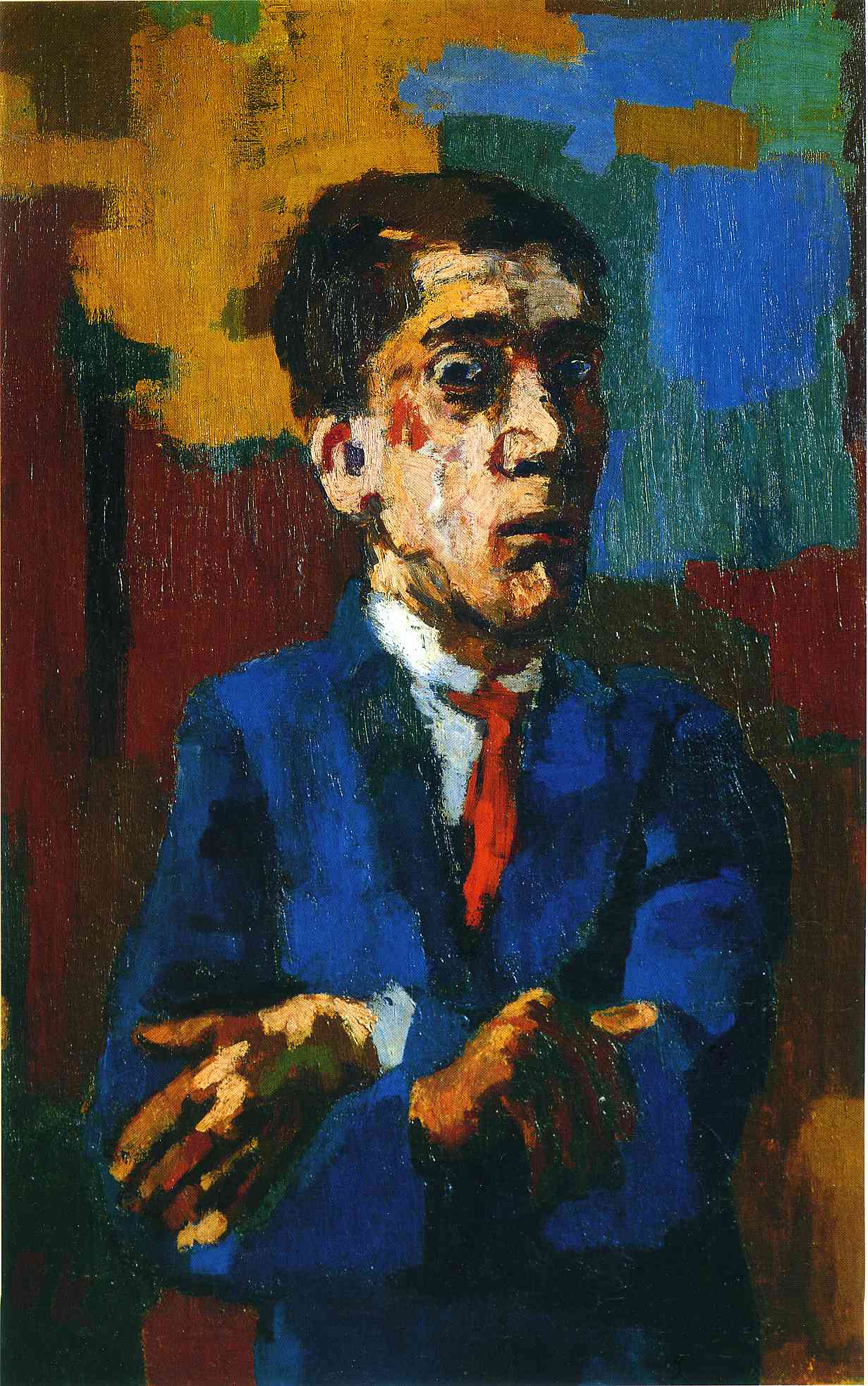
Kokoschka had no formal training in painting and so approached the medium without regard to the "traditional" or "correct" way to paint. Kokoschka neglected the conventional structured methodologies and theories assumed by art educators, and instead taught through storytelling infused with mythological themes and dramatic emotion.
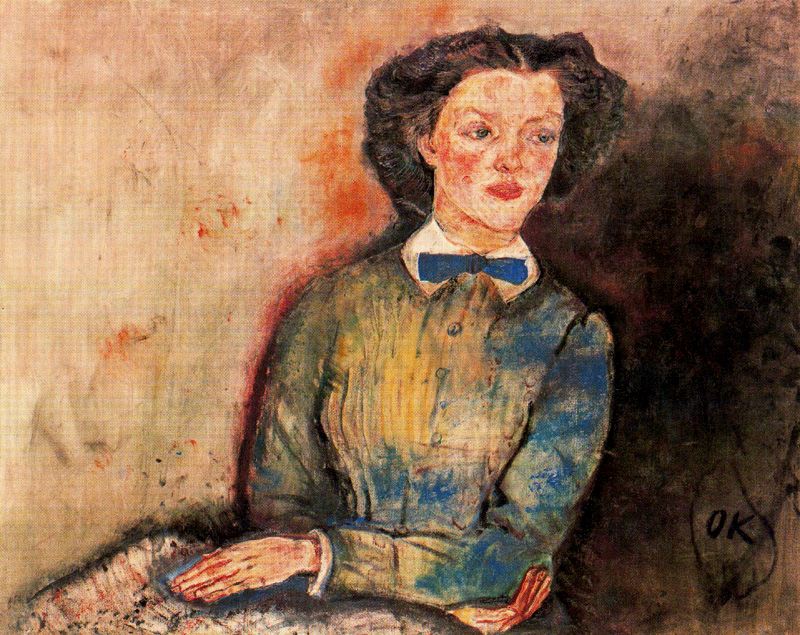
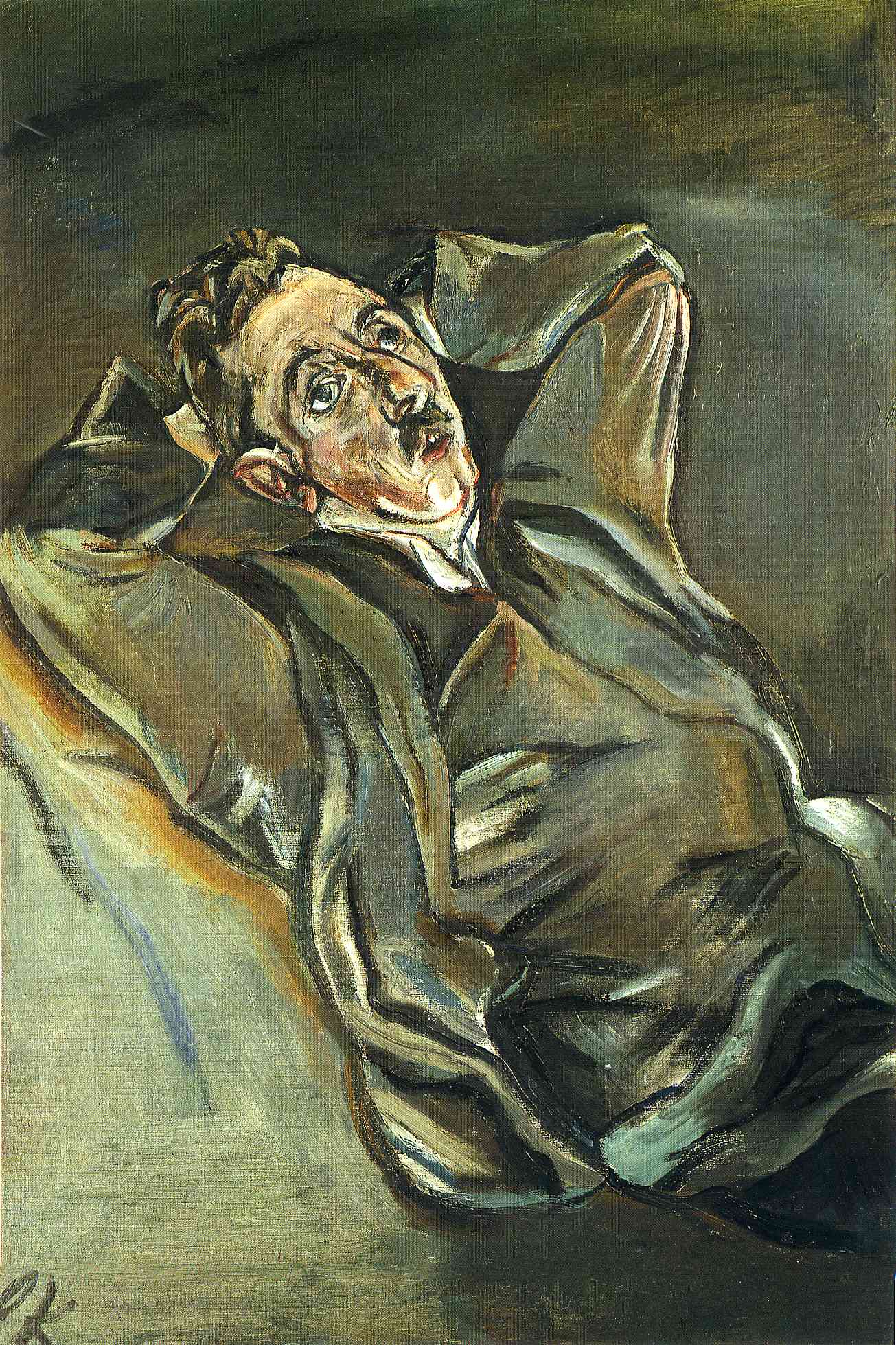
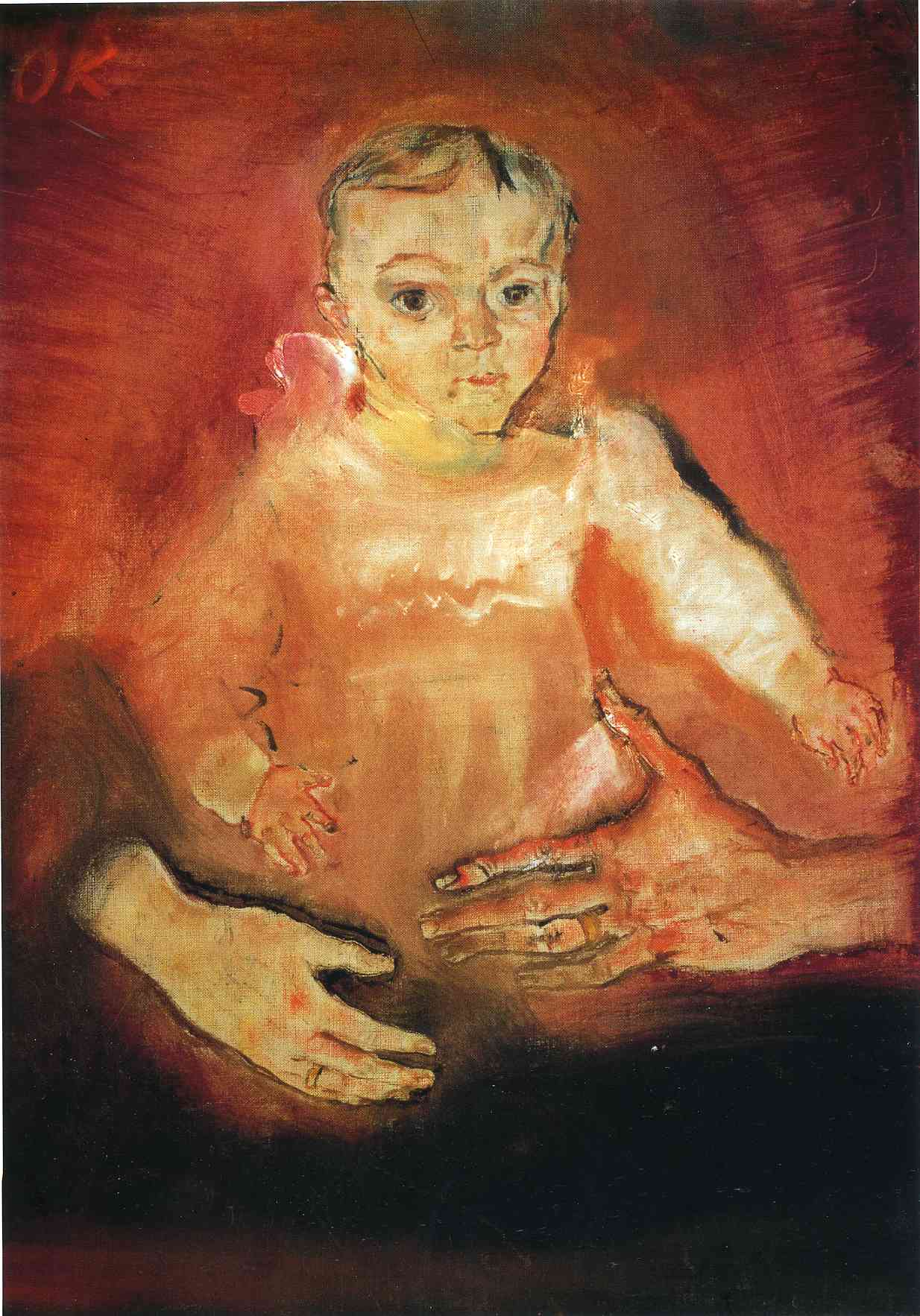
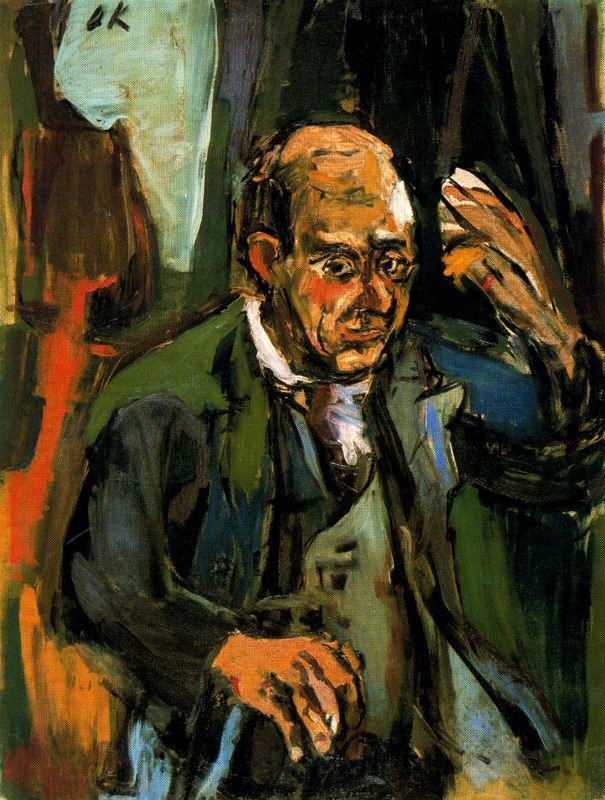
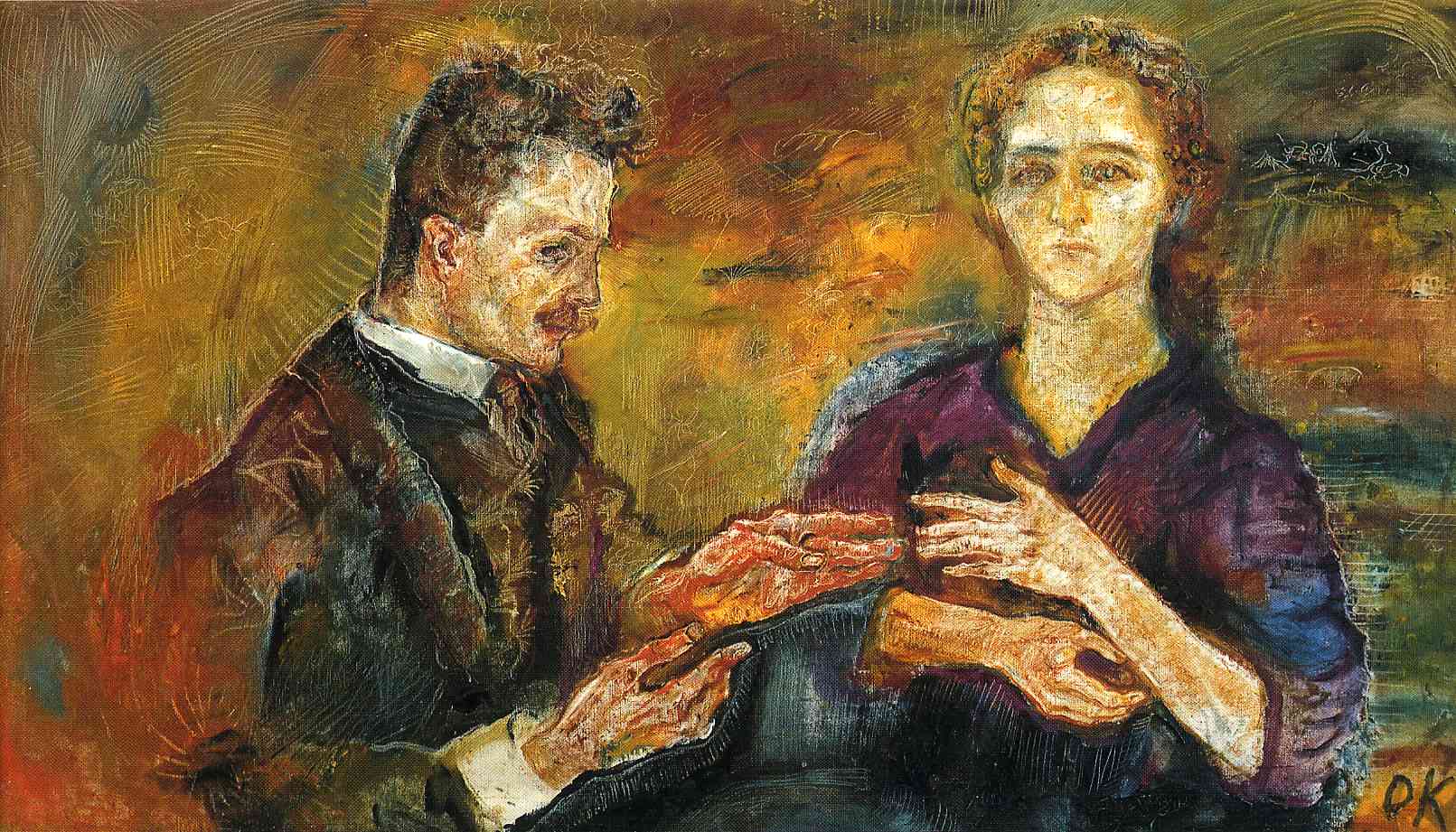
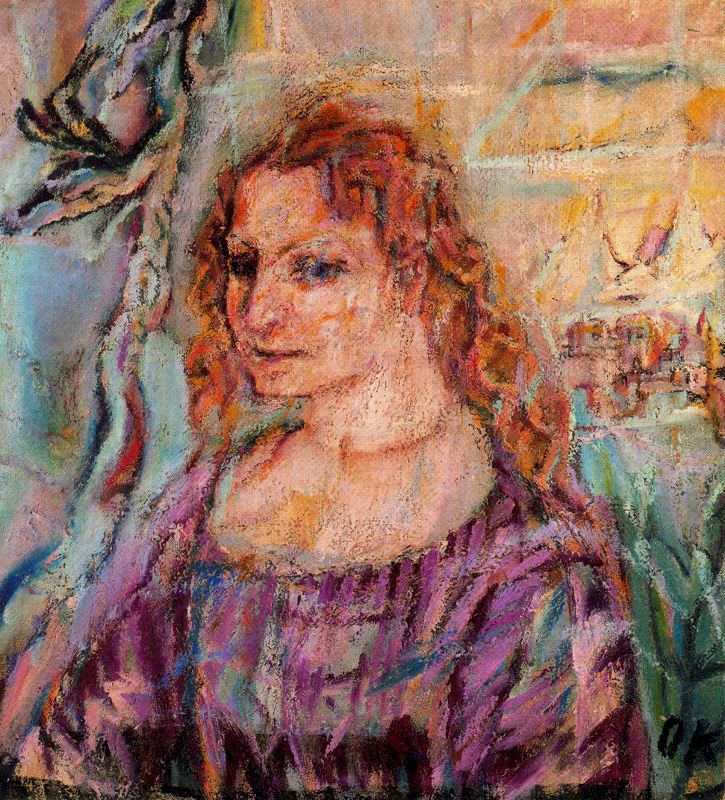
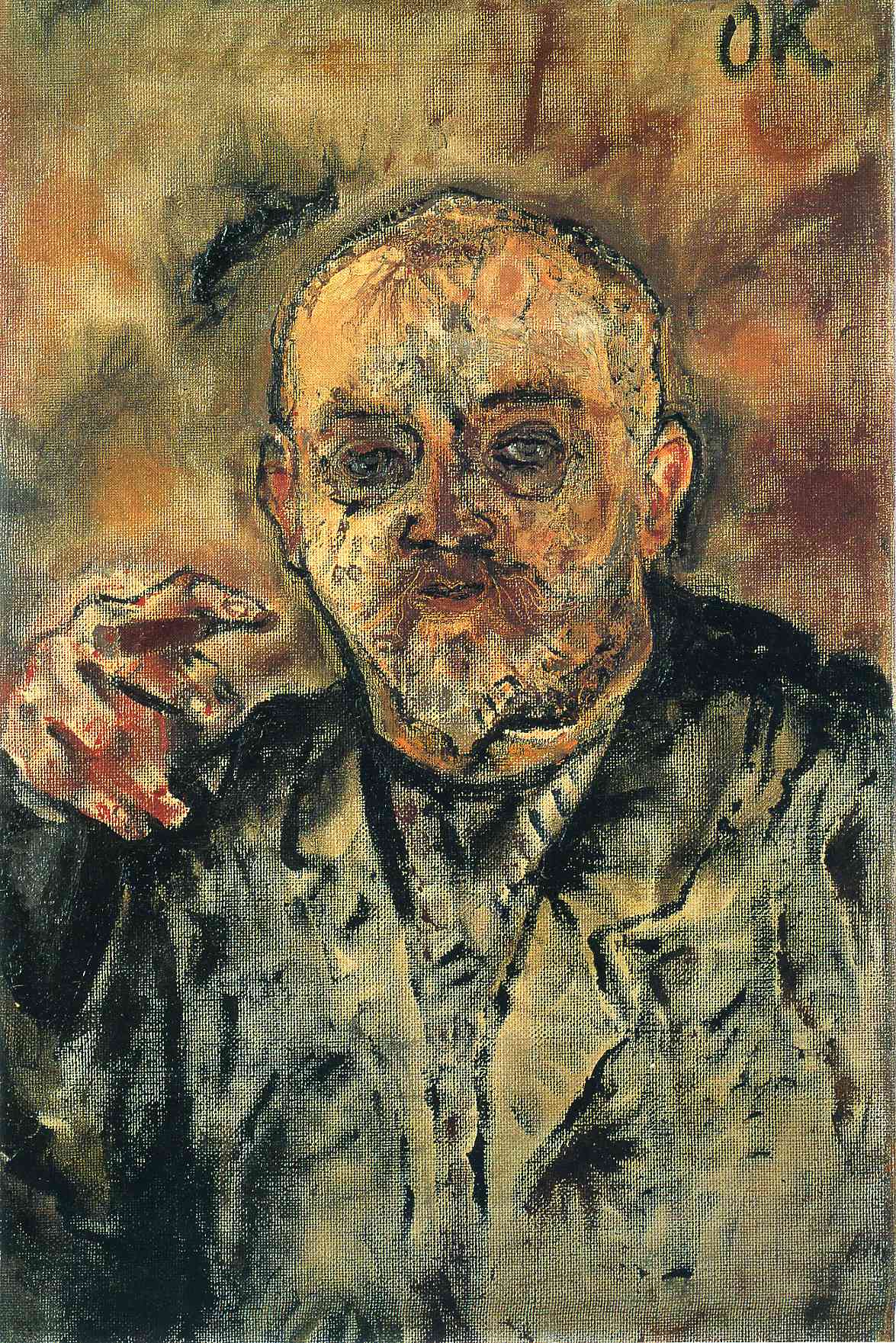
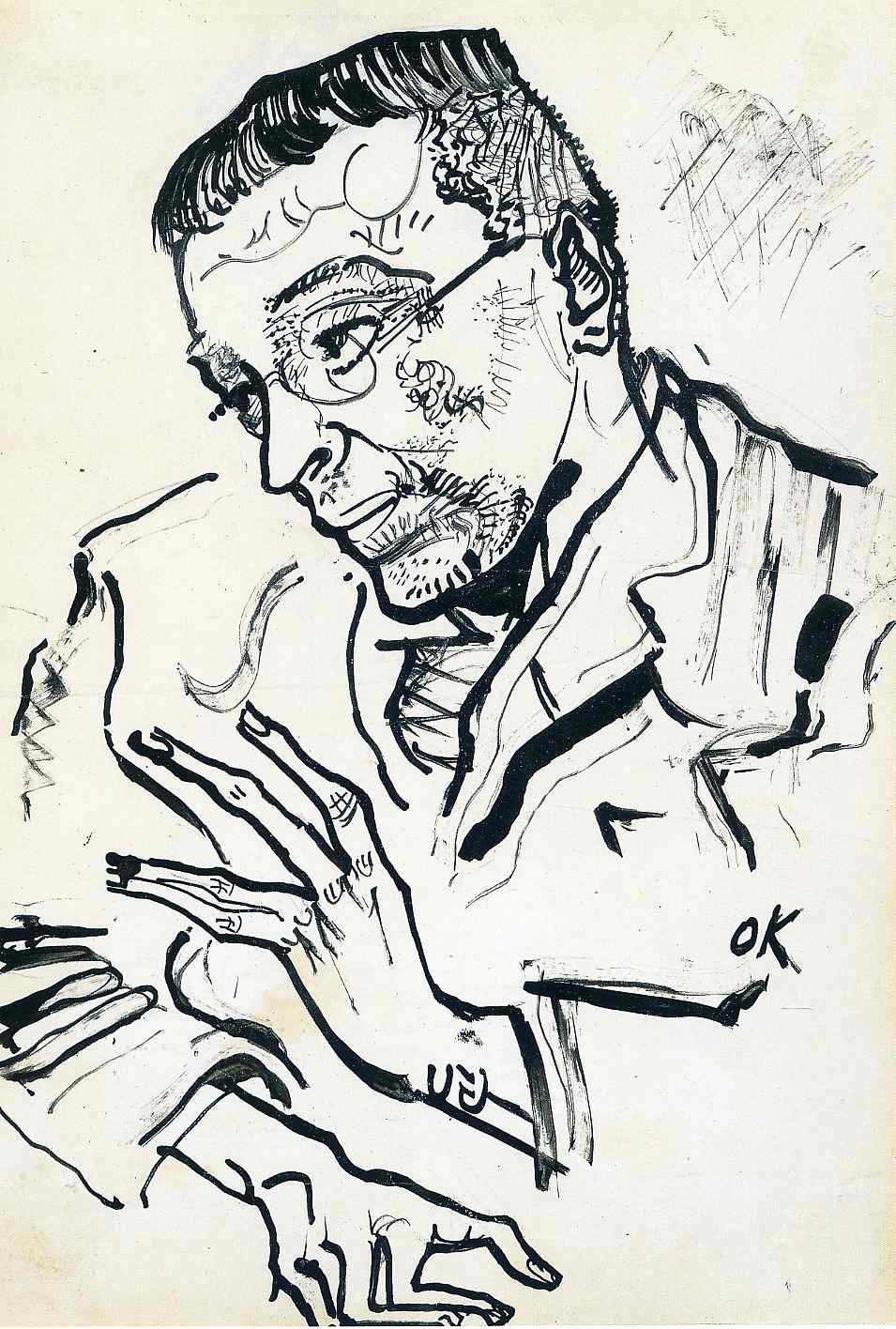
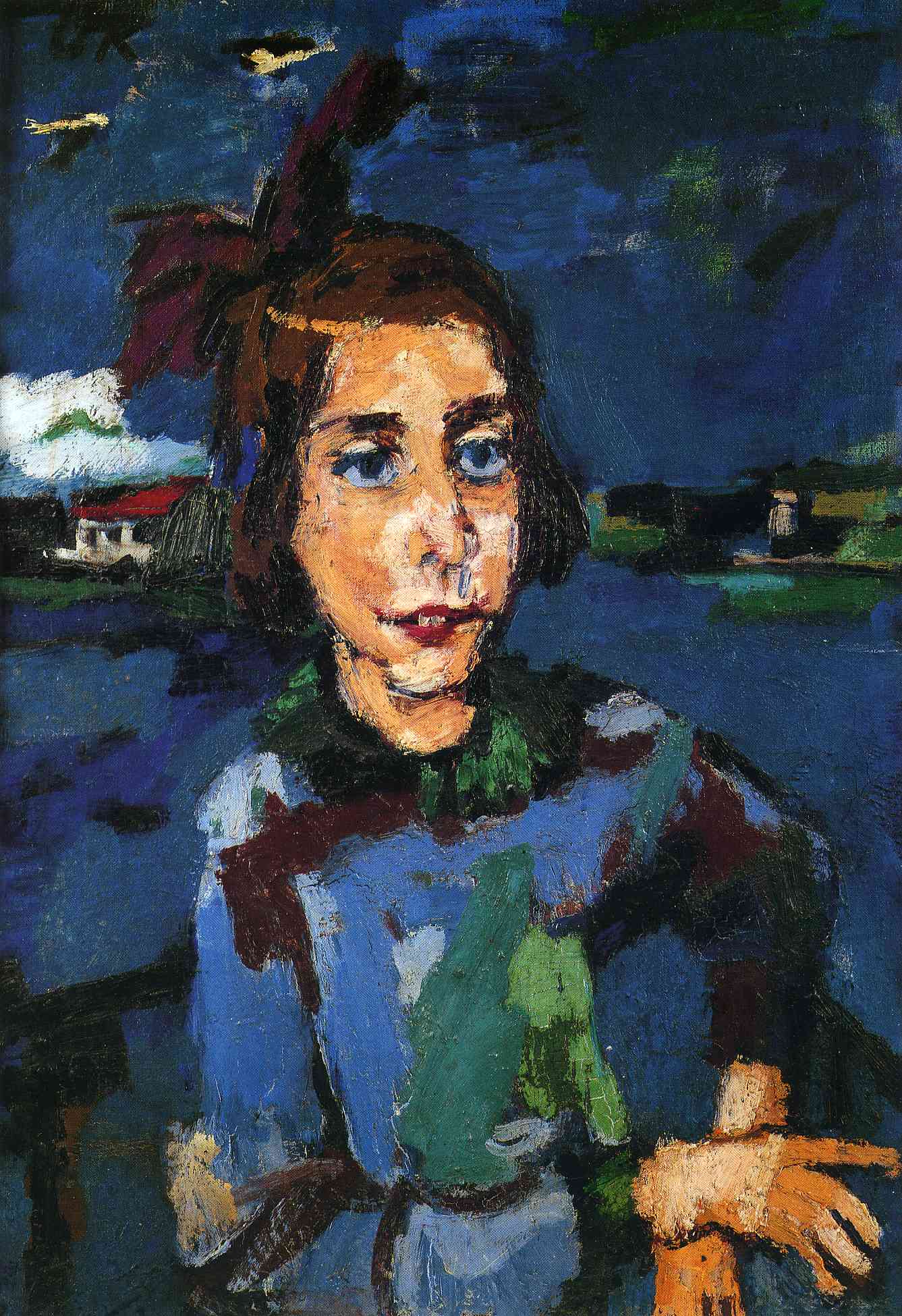
Kokoschka’s portraits demonstrate the conventions of traditional portraiture, primarily regarding the perspective in which he captures the sitters. However, Kokoschka also adopted elements of the modern style which involved incorporating hands within the composition to further capture the emotion expressed through an individual's gestures.
Quotations:
"Consciousness is a sea ringed with visions."
"All that's left now is purely poetic work, putting more life into individual places, as I've made so sure of the fundamental mood and dimension of expression that it won't leave me groping around in uncertainty anymore."
"True dreams and visions should be as visible to the artist as the phenomena of the objective world."
"I used to be too subjective, and I was always tempted to find my inner self in the exterior and dissipate my imagination on other people and on life."
"The most fundamental in me is coming uppermost, and the transient, the sensational, is dispersing, because it can't adversely influence what is essential to me."
"In the midst of the confusions of nature one person trusting eternally in another, and making himself and the other secure through faith."
"Intellectually, I am already an old man. But in the sensory area, I am still such a child! I shuffle on my bottom between the two."
"I try to keep my sitters moving and talking, to make them forget they are being painted. This has nothing to do with extracting intimate secrets or confessions, but rather with establishing, in motion, an essential image of the kind that remains in memory or recurs in dreams."
Interests
strong belief in omens
Philosophers & Thinkers
Jan Amos Comenius
Artists
Gustav Klimt
Connections
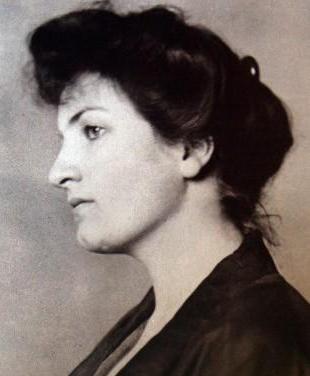
Kokoschka had a passionate, often stormy affair with Alma Mahler. It began in 1912, shortly after the death of her four-year-old daughter Maria Mahler. After several years of their relationships, Alma rejected him, explaining, that she was afraid of being too overcome with passion. In 1941, Oskar married Olda Kokoschka.
Father:
Gustav Josef Kokoschka
Mother:
Maria Romana Kokoschka
Concluding that his father was inadequate, Kokoschka drew closer to his mother.
Wife:
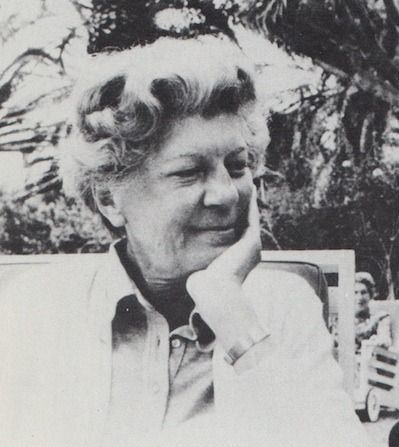
Olda Kokoschka
life partner:
Alma Mahler
Friend:
Adolf Loos
teacher:
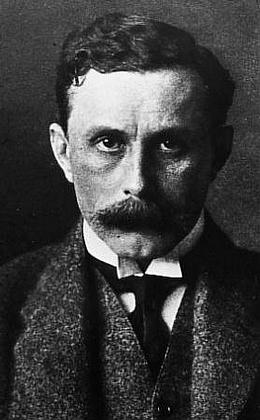
Carl Otto Czeschka
Kokoschka was influenced by his teacher Carl Otto Czeschka in developing an original style.
The Most Excellent Order of the British Empire is a British order of chivalry, rewarding contributions to the arts and sciences, work with charitable and welfare organisations, and public service outside the civil service.
The Most Excellent Order of the British Empire is a British order of chivalry, rewarding contributions to the arts and sciences, work with charitable and welfare organisations, and public service outside the civil service.
The Erasmus Prize is an annual prize awarded by the board of the Praemium Erasmianum Foundation to individuals or institutions that have made exceptional contributions to culture, society, or social science in Europe and the rest of the world.
The Erasmus Prize is an annual prize awarded by the board of the Praemium Erasmianum Foundation to individuals or institutions that have made exceptional contributions to culture, society, or social science in Europe and the rest of the world.