Background
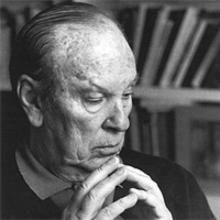
Pablo Palazuelo was born on October 6, 1916 in Madrid, Spain.
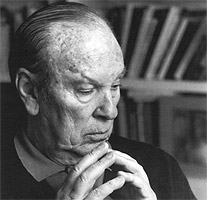
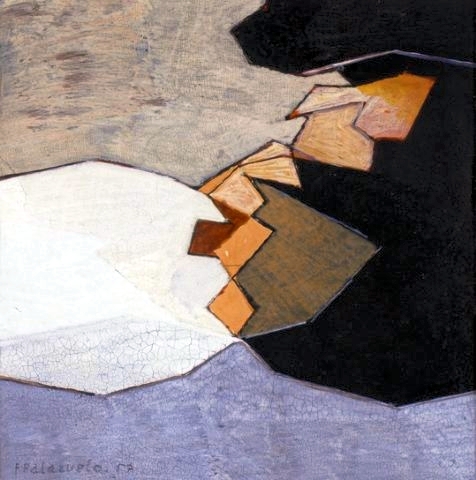


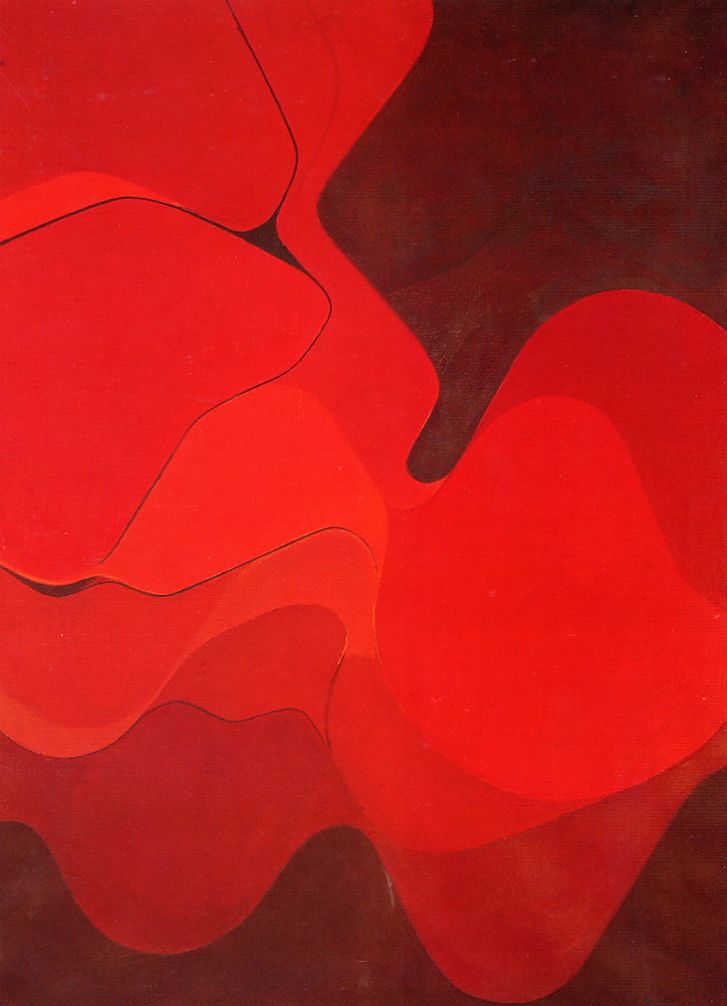
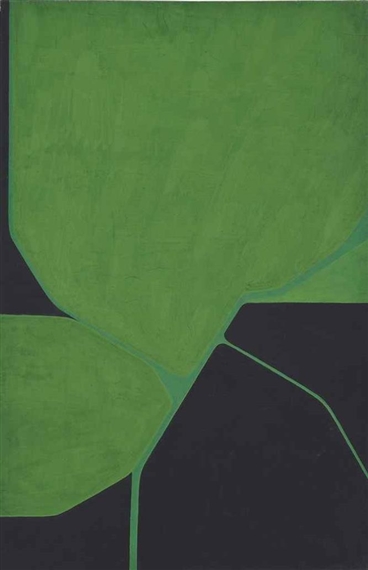
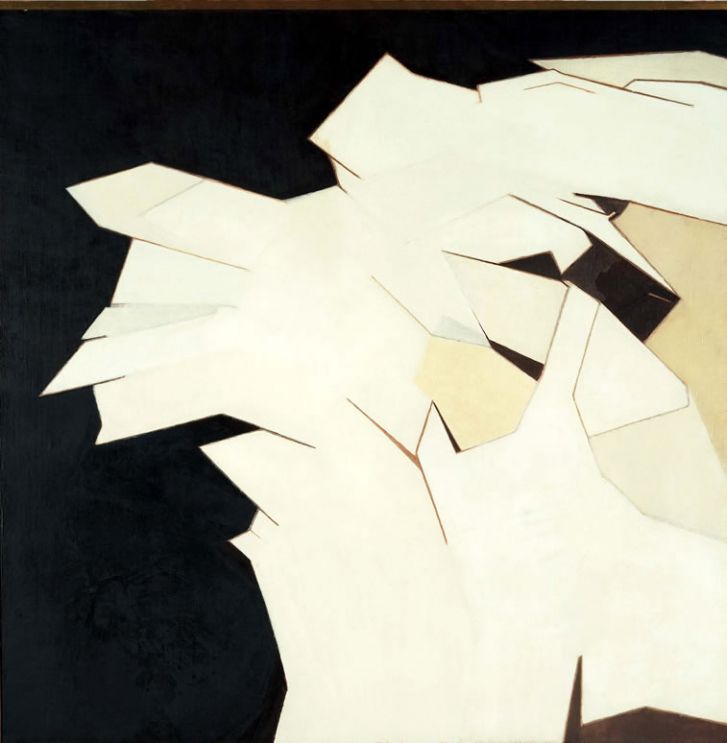

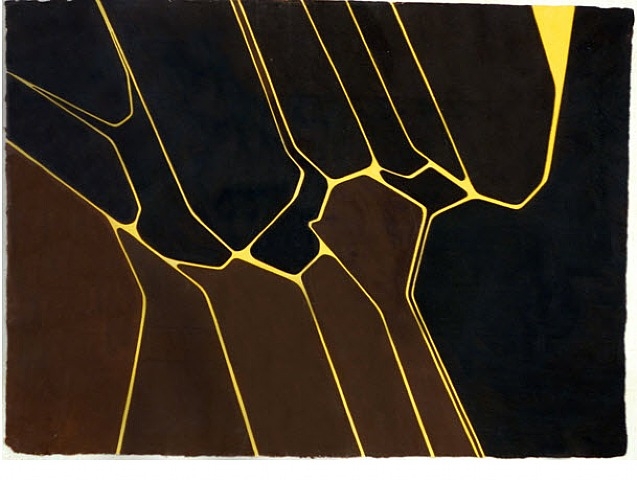

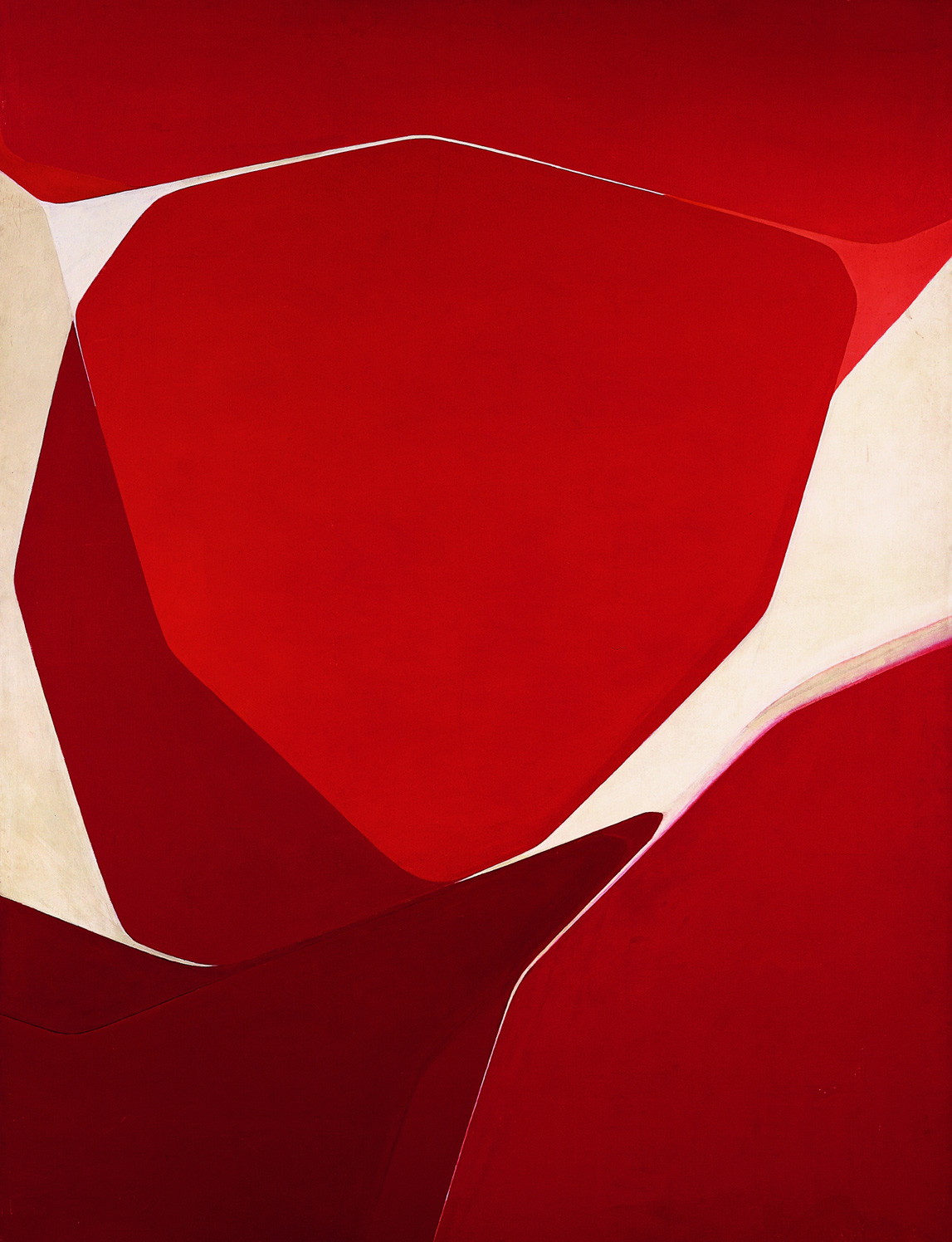
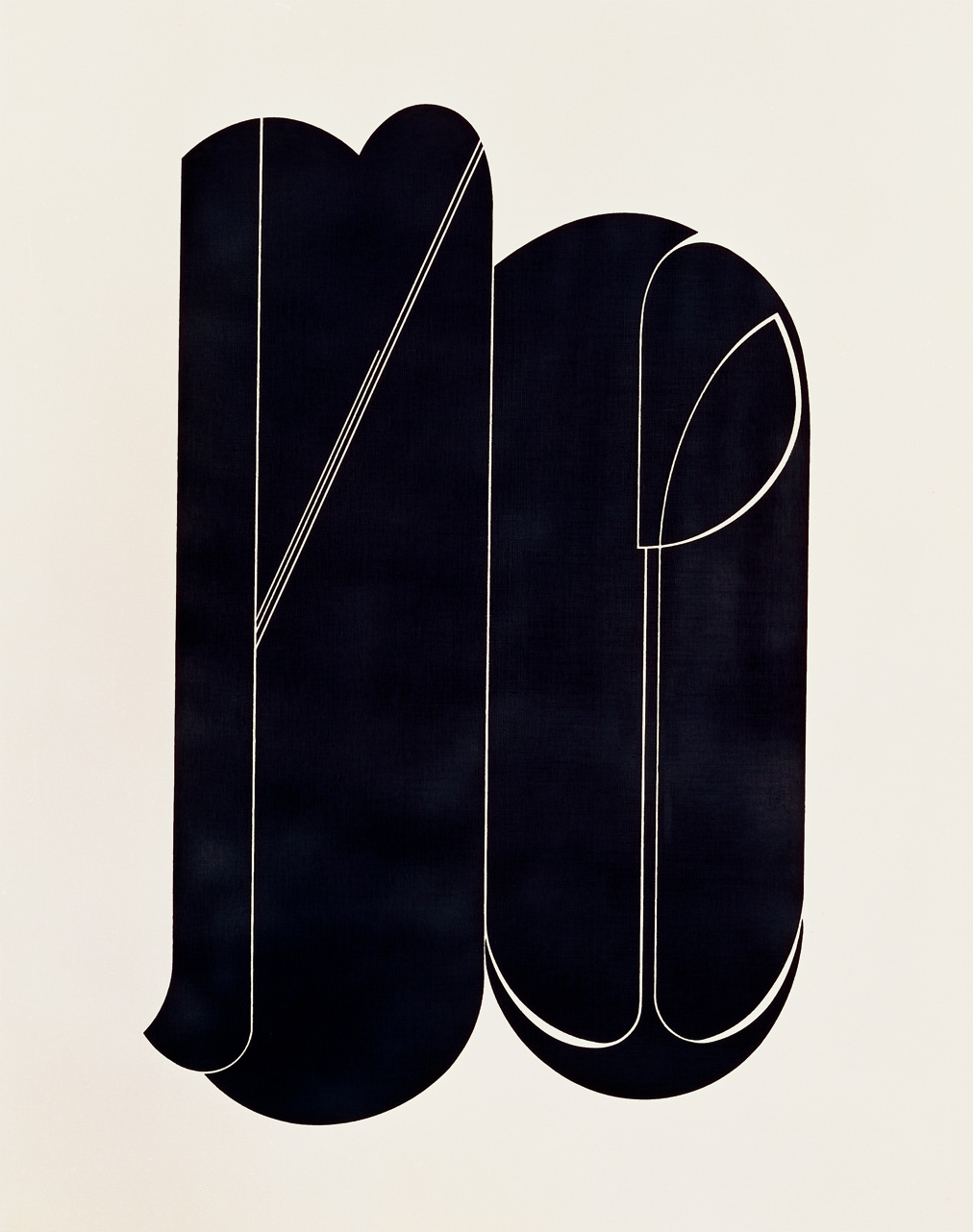
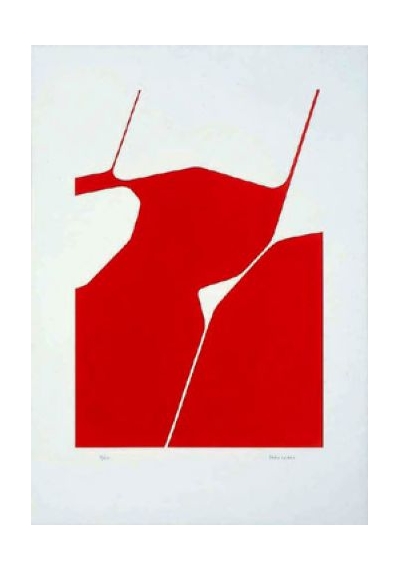
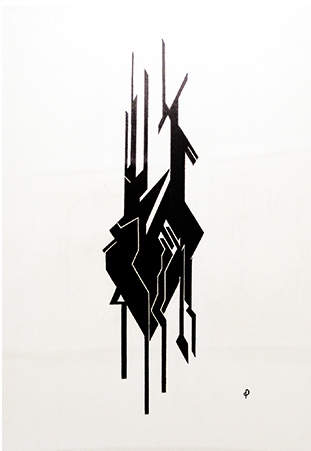

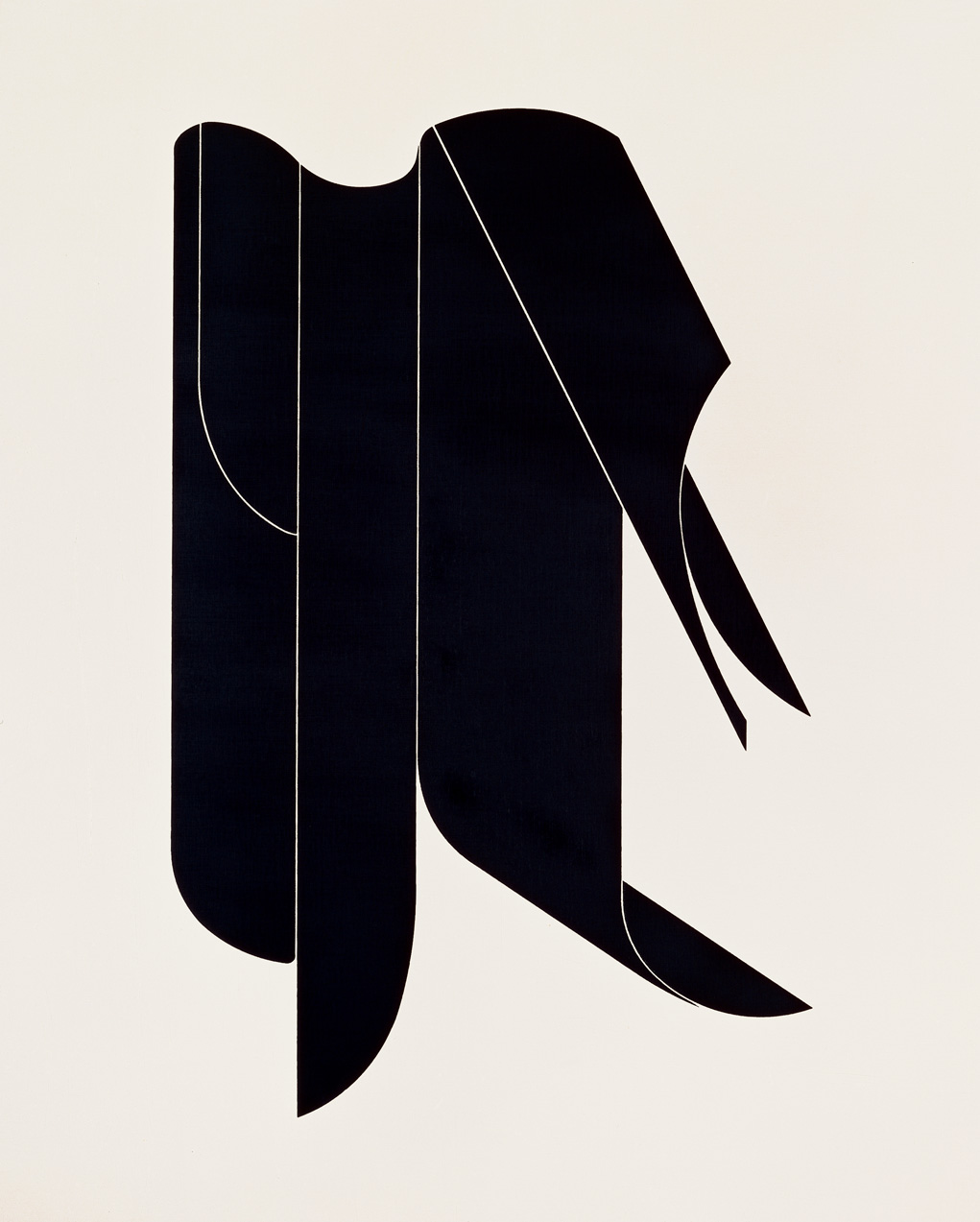

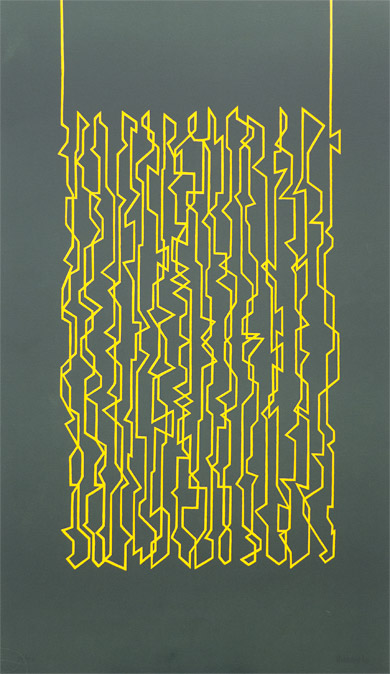
Pablo Palazuelo was born on October 6, 1916 in Madrid, Spain.
Pablo Palazuelo studied architecture at the School of Arts and Crafts at Oxford University.
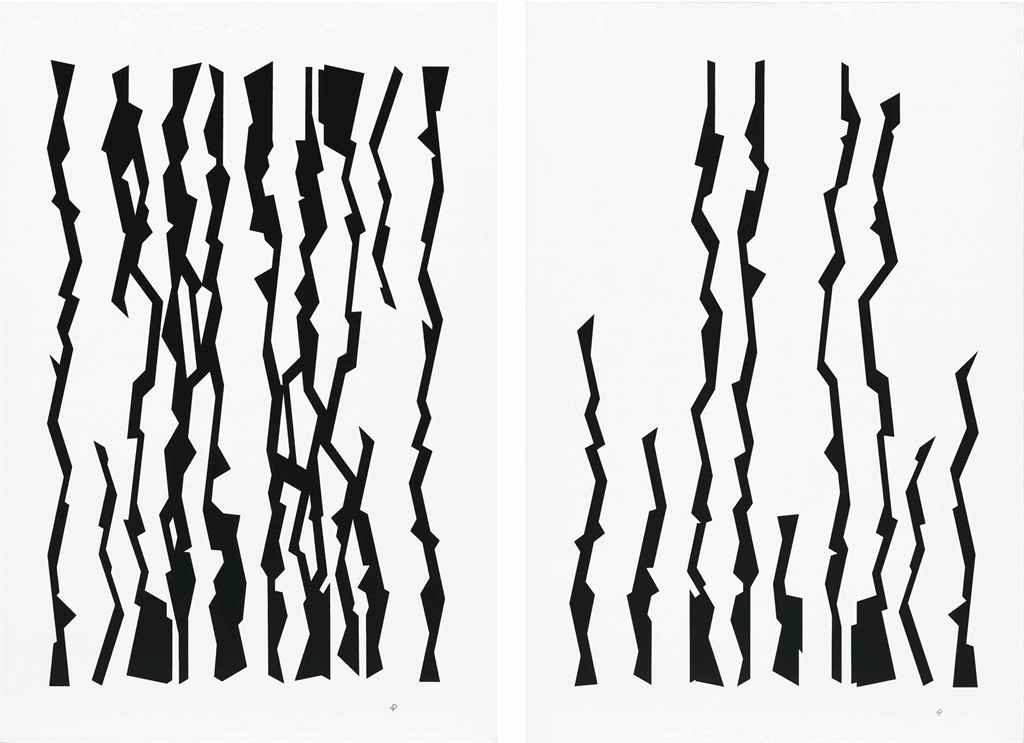
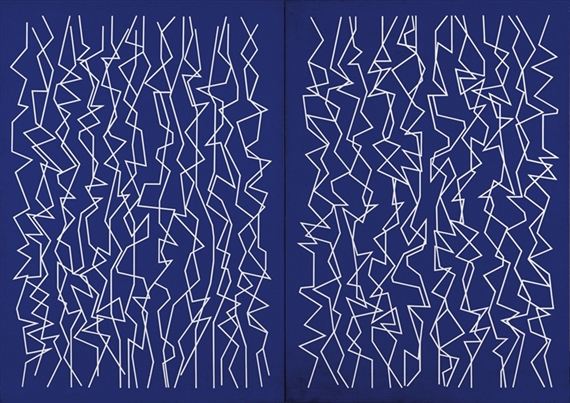
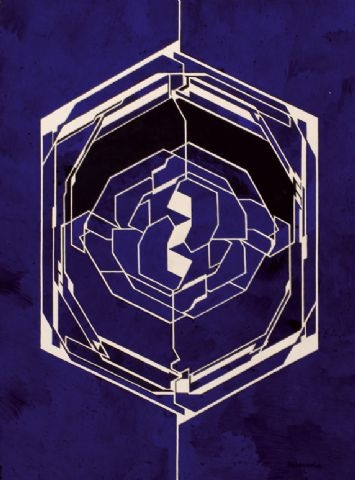
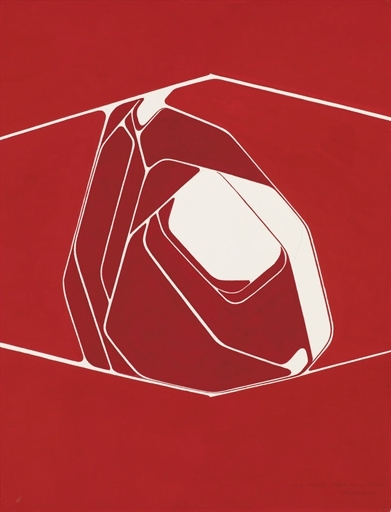
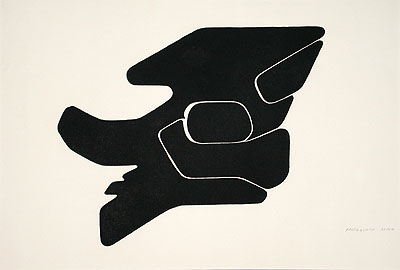
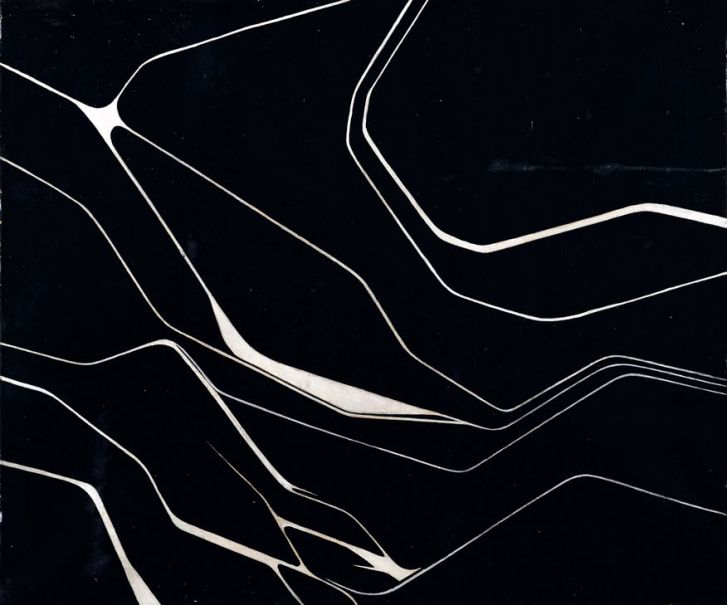
Upon returning to Madrid in 1939, Palazuelo began his career as a painter and sculptor. In his early years he was influenced by Picasso and Cézanne, later his work became became progressively more abstract.
In 1948 Palazuelo settled in Paris, where he was selected to exhibit at the Salon de Mai, which led to an invitation to join the prestigious Galérie Maeght.
"Ascendente no. 2", his first sculpture, appeared in 1954. Since 1955 Palazuelo showed his works in twenty-three solo exhibitions, as well as in numerous group exhibitions in France, Spain and throughout Europe.
In 1969 Pablo Palazuelo returned to Spain, where he continued to probe the mysteries of form through his paintings, sculptures, writings and research. He began to work in a 14th-century castle in Monroy, near Cáceres, Spain, in 1974.
His many works include "Monroy I," "Linterna" and "Umbra".
Palazuelo died on October 3, 2007 in Galapagar, Madrid, Spain.
Pablo Palazuelo had received several awards for his work and was regarded as one of the preeminent Spanish artists of the 20th century.
Palazuelo received the Kandinsky Prize in 1952. In 1958 he received the Fifth Carnegie Prize for his work "Mandala" at the Pittsburgh Museum of Art (Carnegie Institute).
In his last years, he was awarded the National Art Prize, the Velázquez Award and the Gold Medal of Fine Arts.