

Background
Paul Brach was born on March 13, 1924 in New York City, United States. He was raised in Brooklyn and the Bronx.


1964

1964
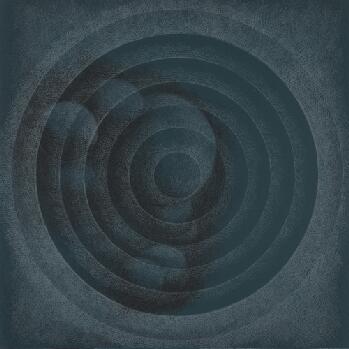
1964
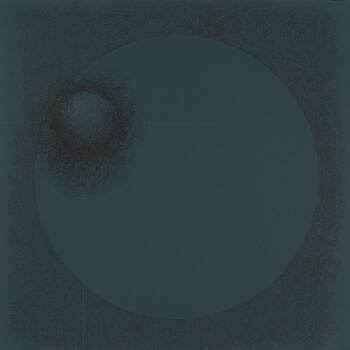
1964
1964
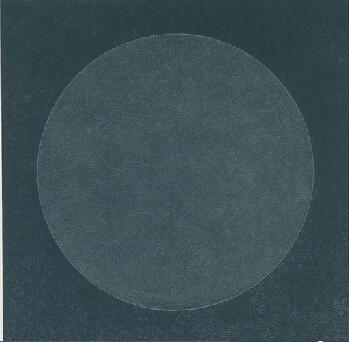
1964
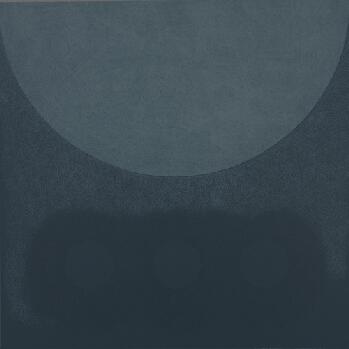
1964

1964
1964

1964
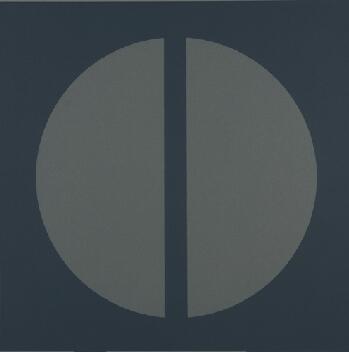
1964

1965
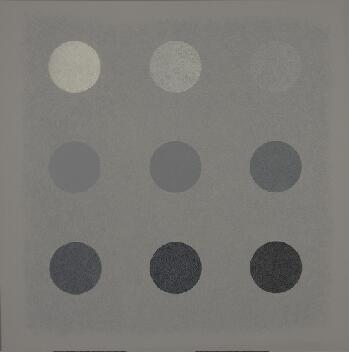
1965
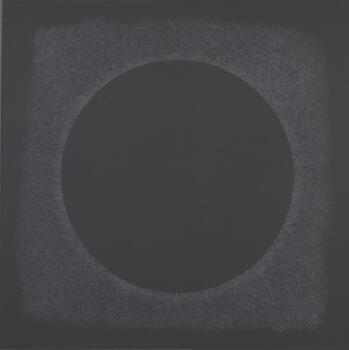
1965
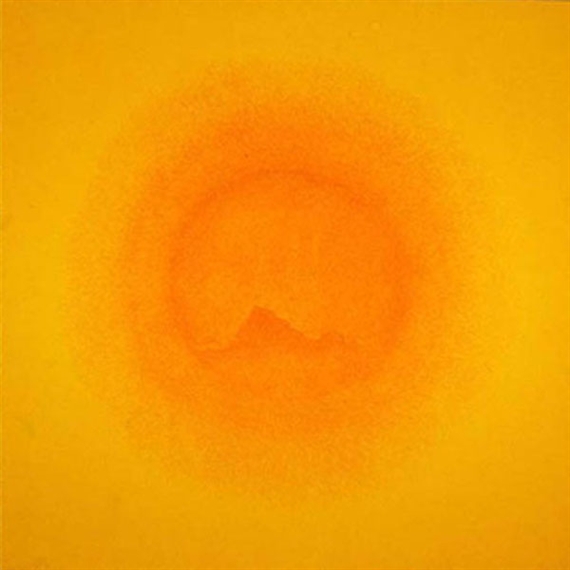
1995
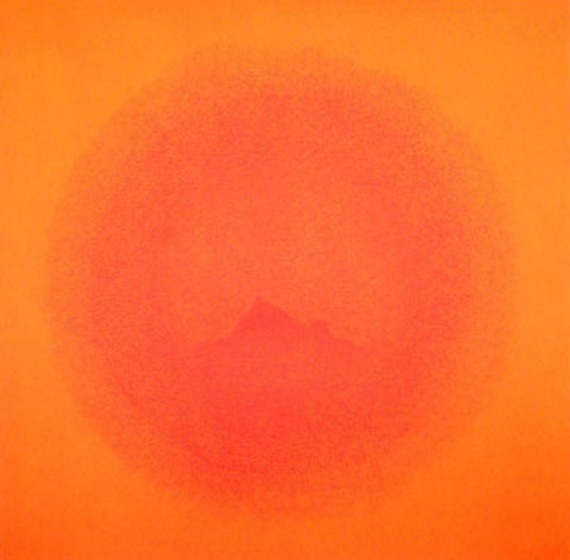
1995
Paul Brach was born on March 13, 1924 in New York City, United States. He was raised in Brooklyn and the Bronx.
Brach went to the University of Iowa where he studied painting with Grant Wood. After the war, he finished school in Iowa on the Servicemen's Readjustment Act of 1944 (also known as the G.I. Bill). Later on he received his Master of Fine Arts.
While studying at the University of Iowa, Paul Brach was called to the the US Army and served as an infantryman for three years of World War II.
By 1951, after completing his formal art education and his first teaching experience in the Midwest, he returned to New York City and befriended many of the artists in the downtown Abstract expressionist New York School, including Joan Mitchell, Larry Rivers, Knox Martin and Michael Goldberg. He frequented the notorious Cedar Bar and quickly became associated with second-generation Abstract Expressionism both socially and through his own painterly and energetic paintings.
During the early 1960s Brach had part-time teaching jobs at The New School, Cooper Union, The Parsons School of Design and Cornell University's New York City Program.
In 1967 he was offered the chair of a new art department at the University of California at San Diego. After two years at UCSD, he became the Dean of the California Institute of the Arts (CalArts) program in Los Angeles in 1969. CalArts quickly became one of the best art schools in the country. Integral to the program, Brach assembled an incredible faculty including Allan Kaprow, Nam June Paik, and Miriam Schapiro and created the environment allowing artists like David Salle, Eric Fischl, and Jack Bloom to flourish.
Eventually, in 1975, Brach returned to New York and retired from teaching shortly after in order to paint full time. As an abstract painter Paul Brach exhibited his work in New York with the Leo Castelli Gallery, the Cordier and Eckstrom Gallery, and with the André Emmerich Gallery. His work was represented by various galleries until 1998.
In 1998, he moved permanently to East Hampton, New York, United States.
He died of prostate cancer on November 16, 2007 in East Hampton, New York, United States.
Oracle
1964The Negative Way #1
1964The Negative Way #2
1964The Negative Way #3
1964The Negative Way #4
1964The Negative Way #5
1964The Negative Way #6
1964The Negative Way #7
1964The Negative Way #8
1964The Negative Way #9
1964The Negative Way #10
1964Dark Vessel
1965Silver Series
1965Vessel
1965Corona I
1995Corona II
1995Quotations: "Although I was without a dealer until 2005, I was working well in my East Hampton studio. Elly and Len Flomenhaft, who were opening a gallery, knew and loved my work. Therefore, I am now a part of the Flomenhaft Gallery."

