Background
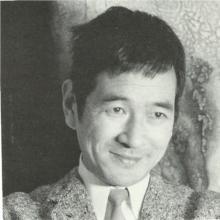
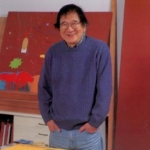
Motonaga was born in Mie, Japan, on November 26, 1922.

Sadamasa Motonaga.
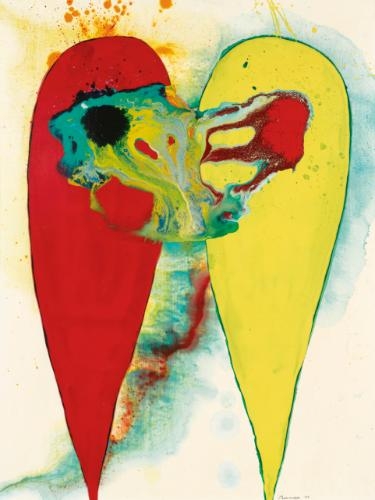
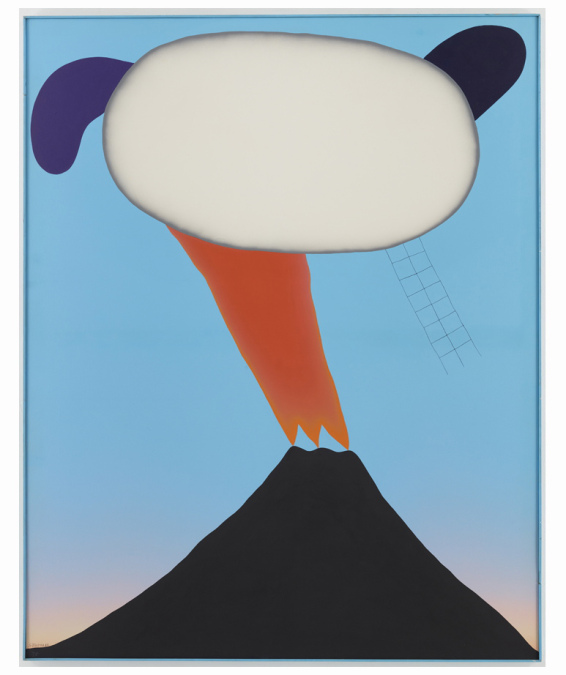
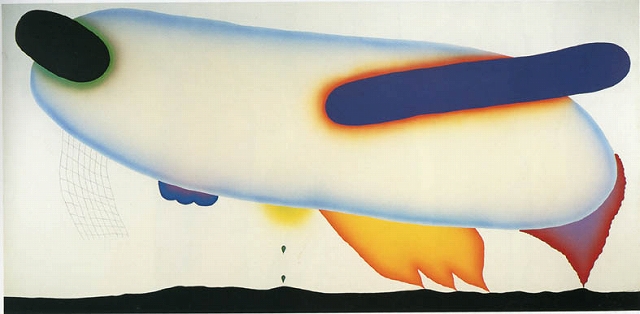
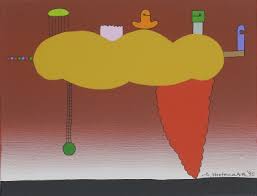
Sadamasa Motonaga painting.


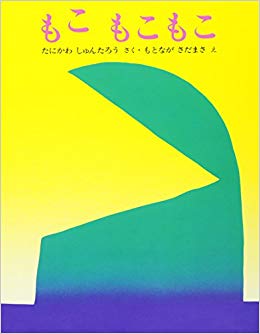
http://www.amazon.com/gp/product/4580813952/?tag=2022091-20
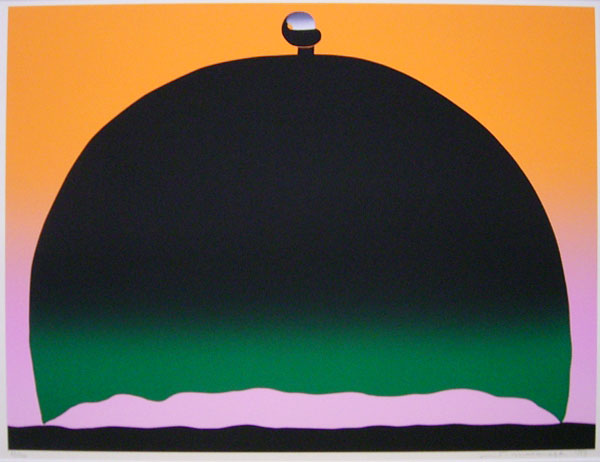
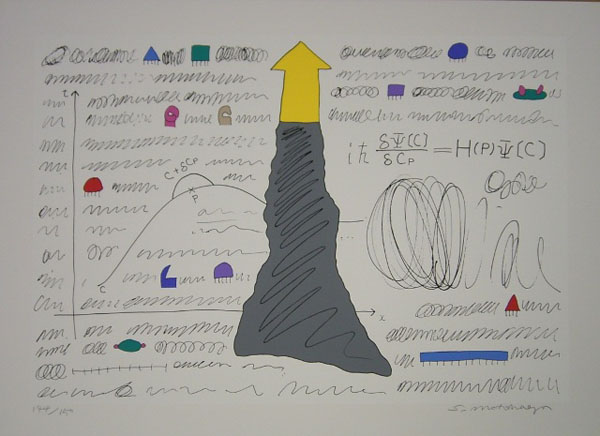
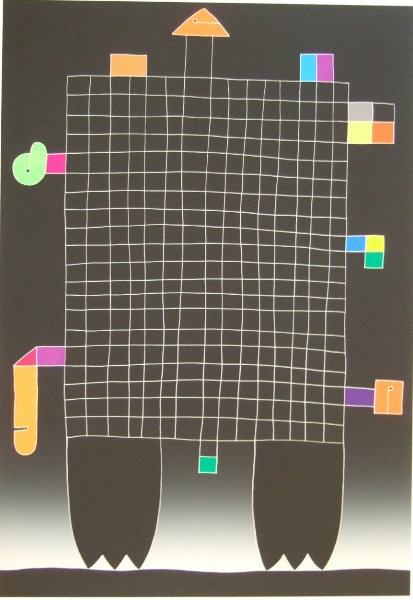
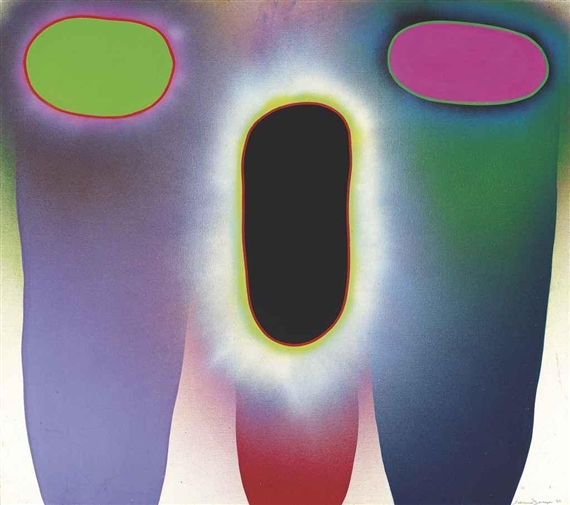
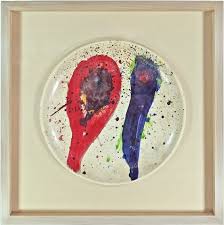
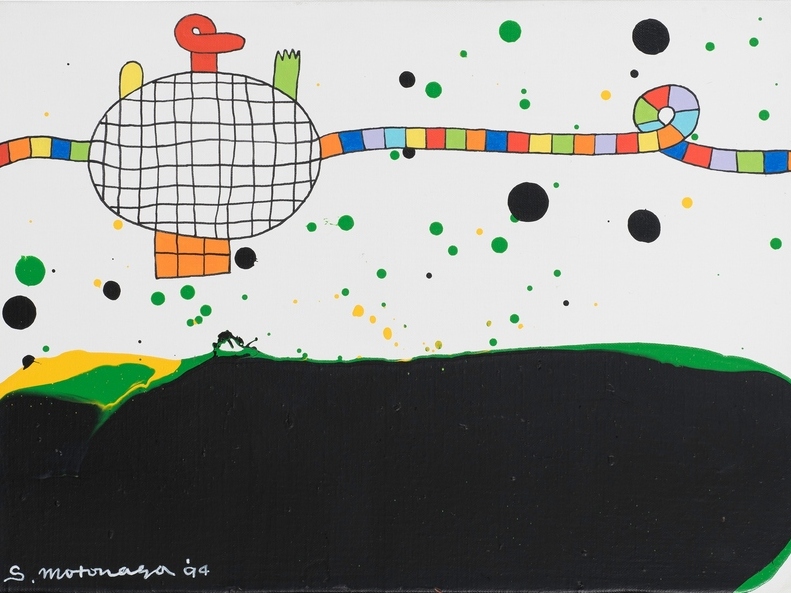
Motonaga was born in Mie, Japan, on November 26, 1922.
Sadamasa Motonaga graduated from trade school. Aspired to be a manga painter, he began to make figural and landscape works on canvas under the tutelage of local Bunten school painter Mankichi Hamabe, who specialized in nudes and landscapes.
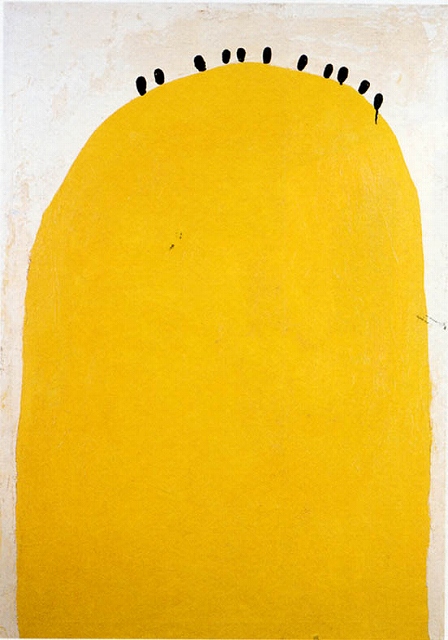
Motonaga moved to Kobe, Hyogo Prefecture, in 1952. He started to make abstract objects in addition to two-dimensional works. In 1953 his painting Kiiro no rafu (Yellow Nude, 1953) was presented at the Ashiya City Art Exhibition, and attracted the attention of the avant-garde artist Jiro Yoshihara. Yoshihara offered Sadamasa Motonaga to take part in the Gutai group’s "Modern Art Outdoor Experimental Exhibition to Challenge the Midsummer Sun", which was held in 1955 in Ashiya Park.
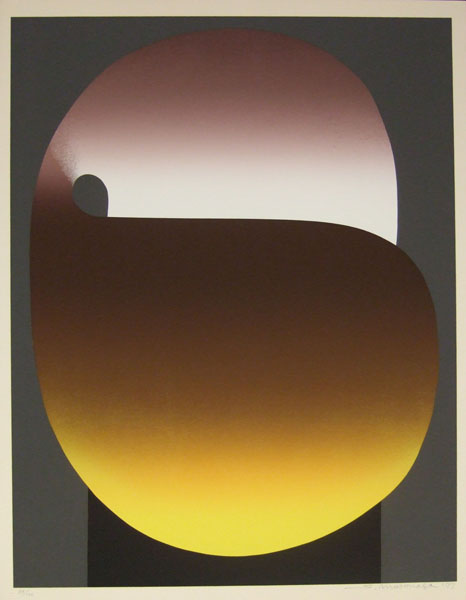
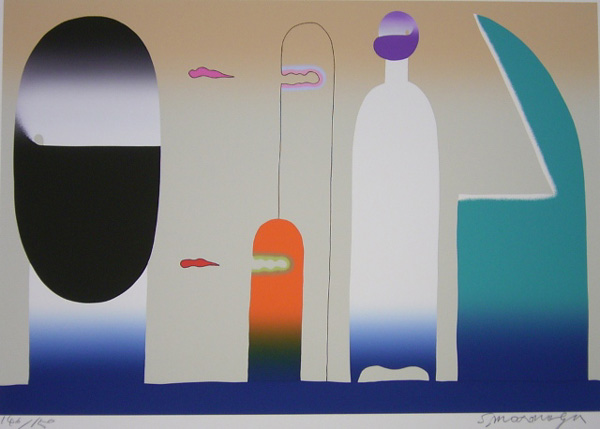
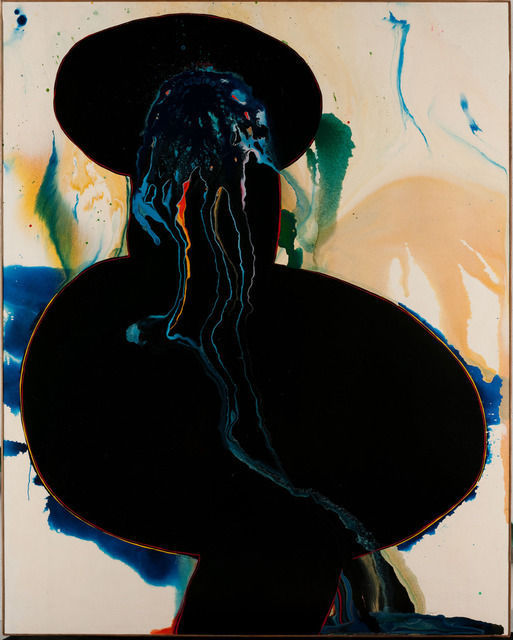
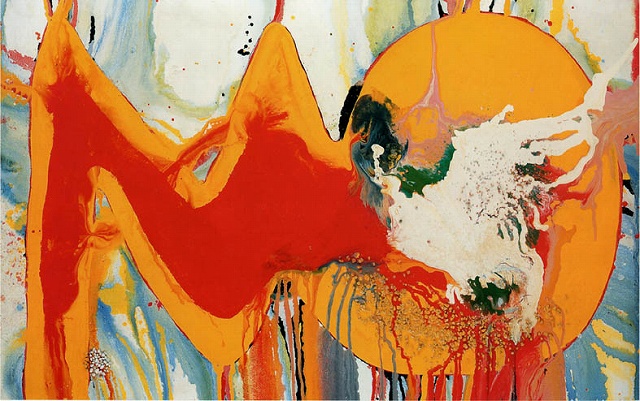
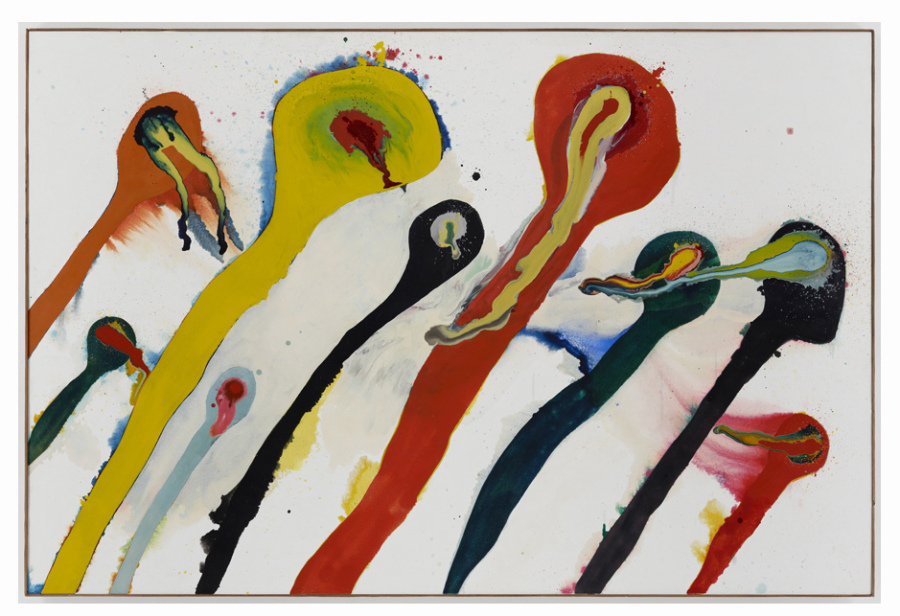
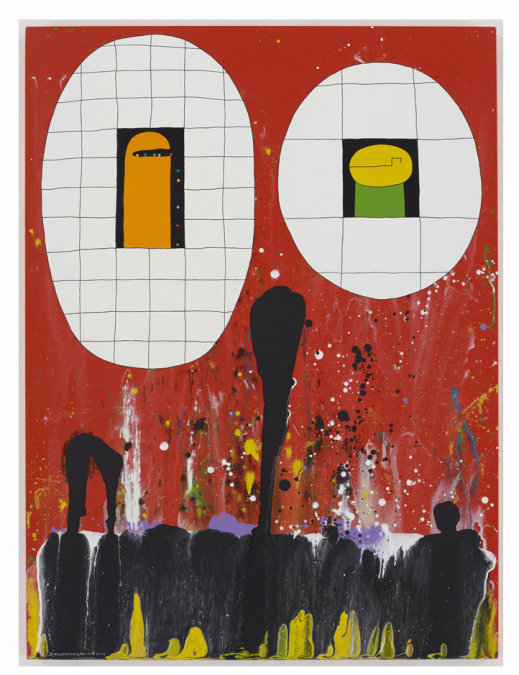
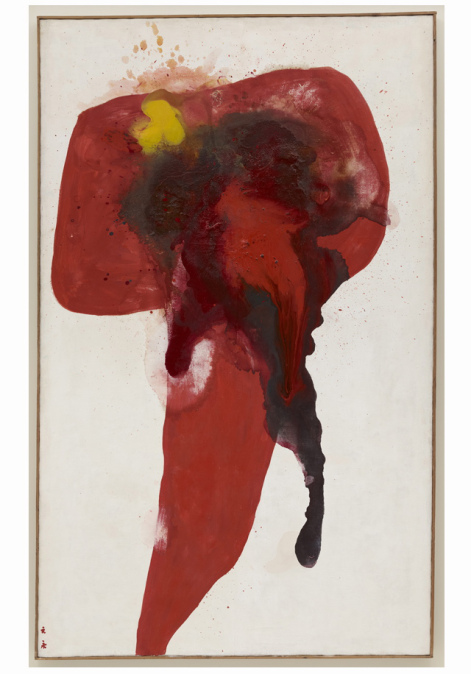
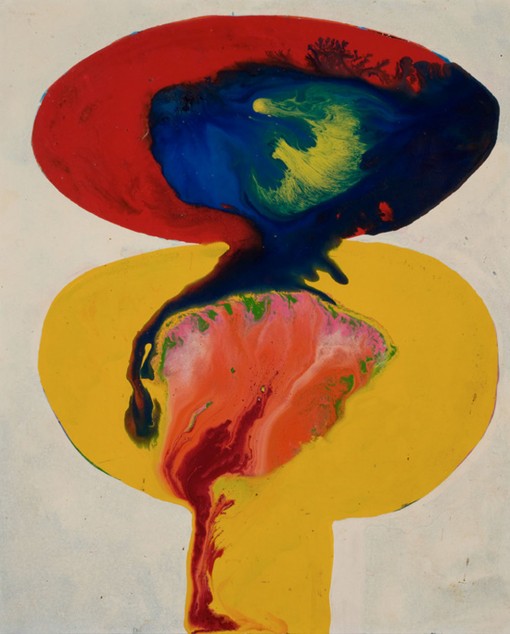
In addition to making paintings and objects, Sadamasa Motonaga did experiments with variations of his "Water Work" as well as performance pieces involving smoke. In 1958, partly inspired by the tarashikomi technique, he began to create paintings generated by chance interactions. On tilted canvases with underdrawings, Sadamasa Motonaga spilled paint along the outlines of the compositions’ formal components to create lively works that earned recognition, becoming a part of an international Informel movement.
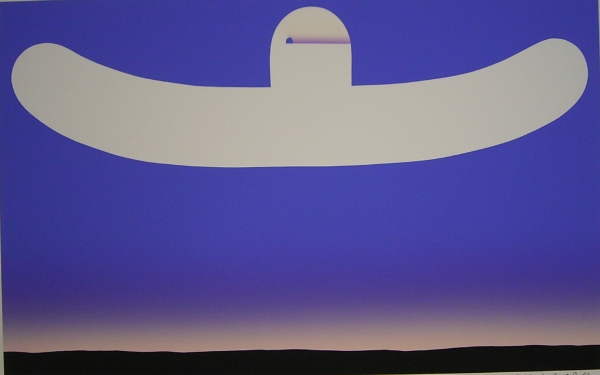
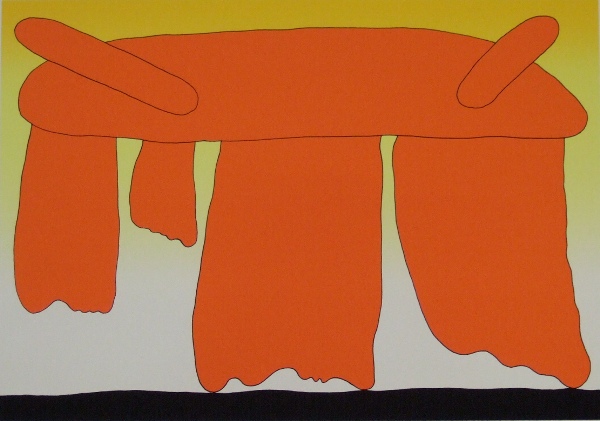
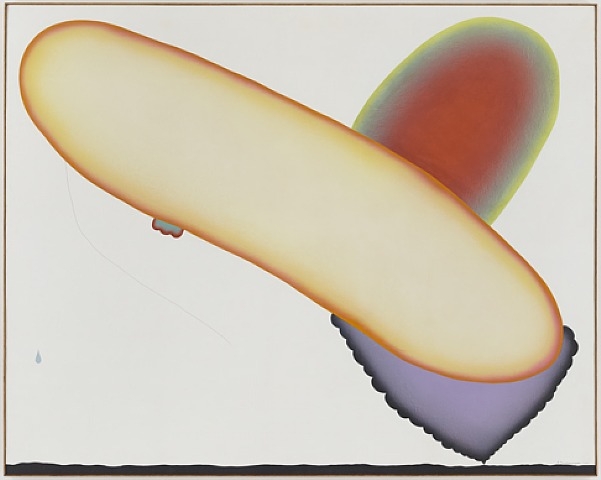
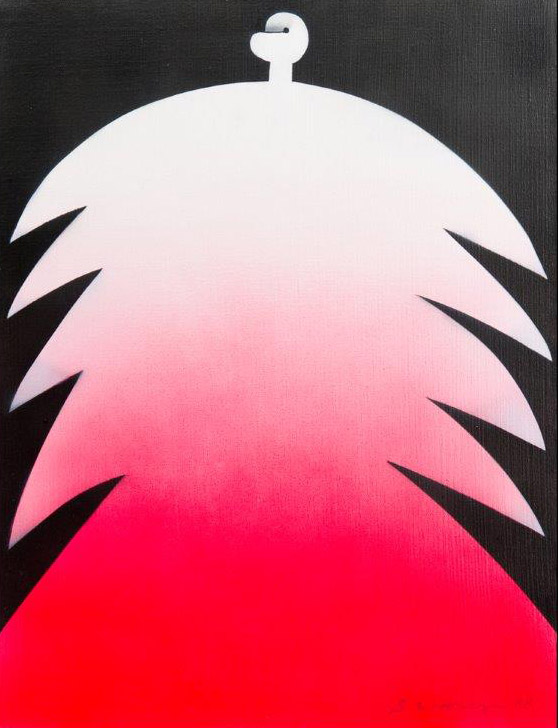
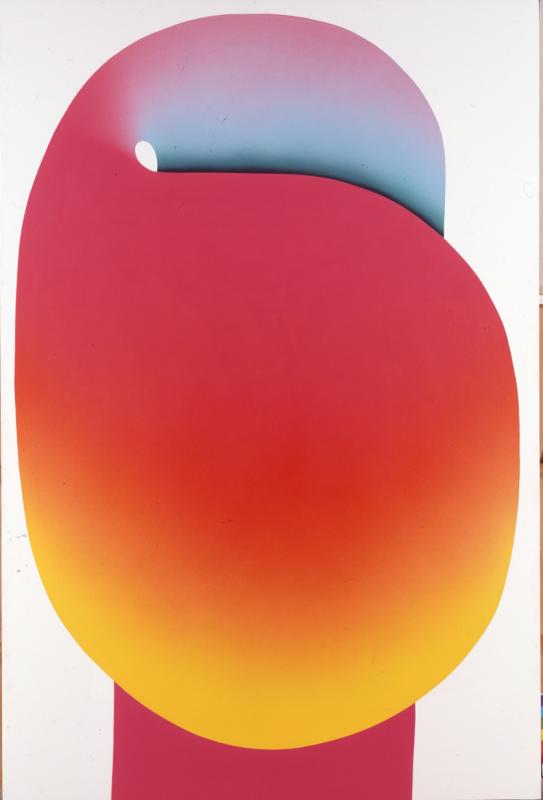
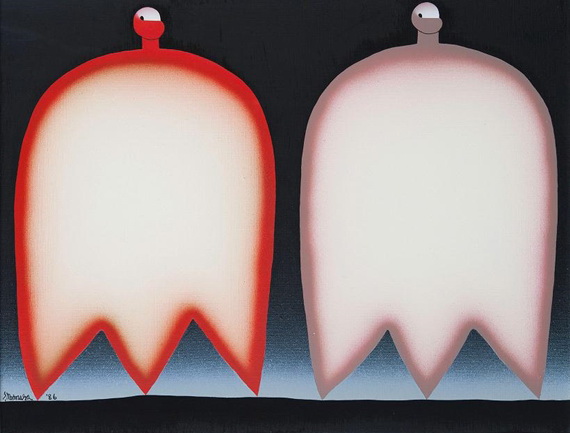
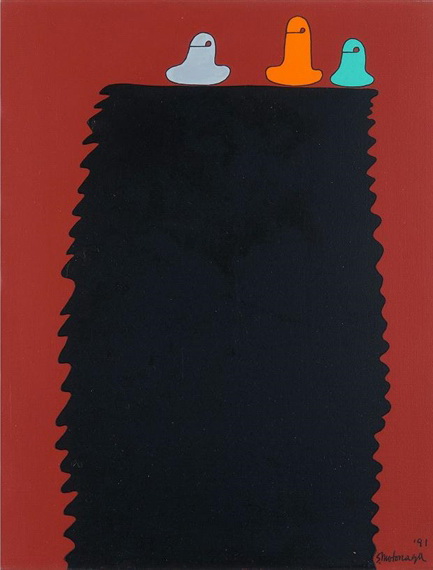
By invitation of the Japan Society, Motonaga spent the period of 1966-1967 in New York. Then he lived for some time in Europe. When he returned to Japan, he started to use acrylic paint and airbrush techniques to make his abstractions, creating a more whimsical style which employed bright colours and humorous titles. It was known as "Funny Art." At this time he also became involved in print-making, filming, pottery, illustration, car painting, tapestry and also chair design.
Sadamasa Motonaga became particularly well known as an illustrator through children’s books such as the poet Juntaro Tanigawa’s Moko moko moko (Bunken, 1977), his own Koro koro koro (Fukuinkan, 1984) and jazz pianist Yosuke Yamashita’s Mokera mokera (Fukuinkan, 1990). His most recent collaboration with Tanigawa, Kokoro no hikari (Bunken) was published in September 2010.
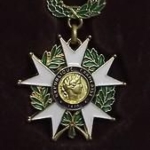
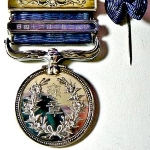
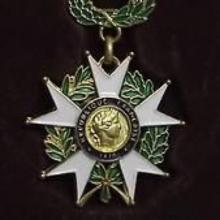
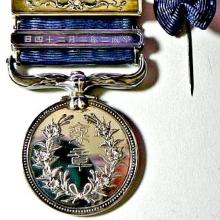
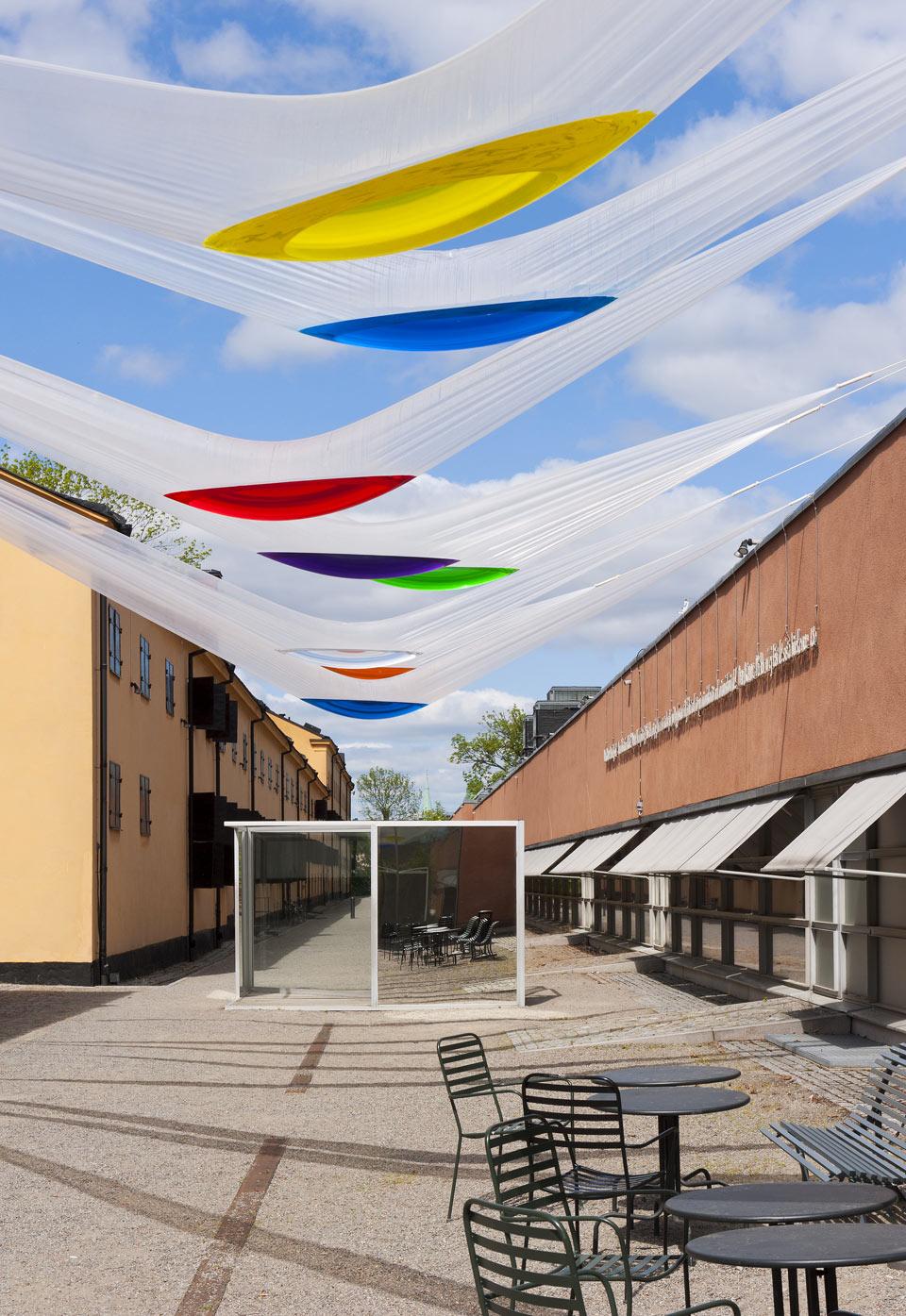
Sadamasa Motonaga became famous for groundbreaking performance works and innovations in painting. He participated in international exhibitions around the world, including Italy, United States, Spain and France, among other places. He won numerous awards for his art, such as the Japanese Art Grand-Prix (1983), the Légion d’honneur (1988) from the French government and the Japanese Purple Ribbon Award (1991). Motonaga was the first abstract artist to be given the latter award.
His works are part of the collections of every major Japanese museum, as well as institutions, including The Museum of Modern Art in New York, the Hiroshima City Museum of Contemporary Art, the Mie Prefectural Museum of Art. The first Western retrospective of Motonaga's works was held at the Dallas Museum of Art in 2014.
White Light Seems To Be Coming out
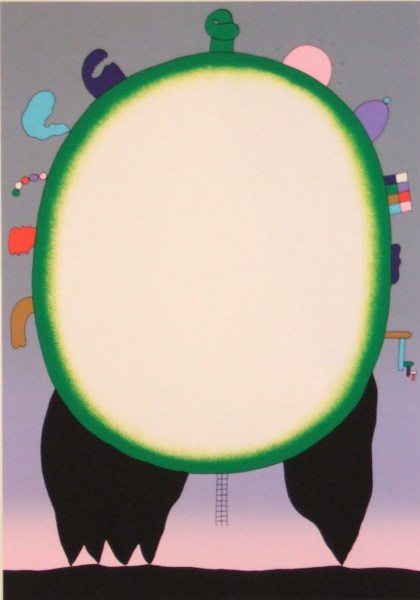
Round Green
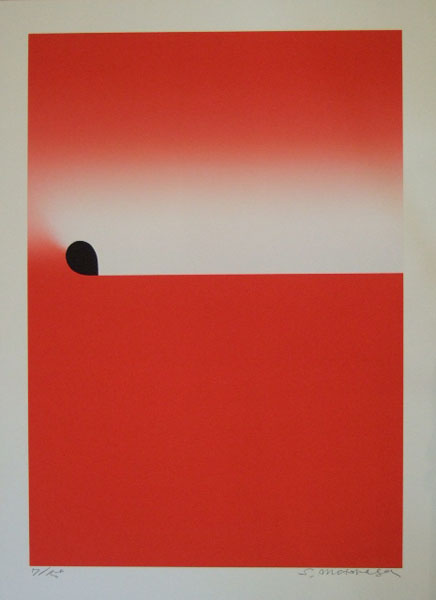
Light From Square Red
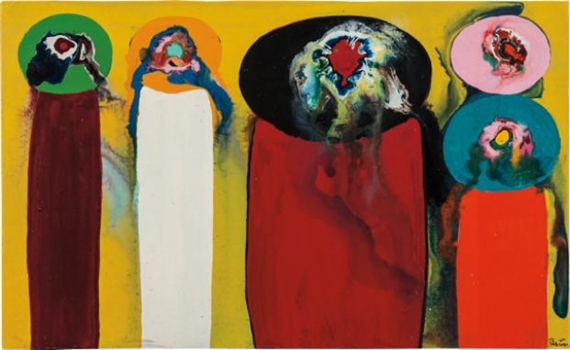
Untitled
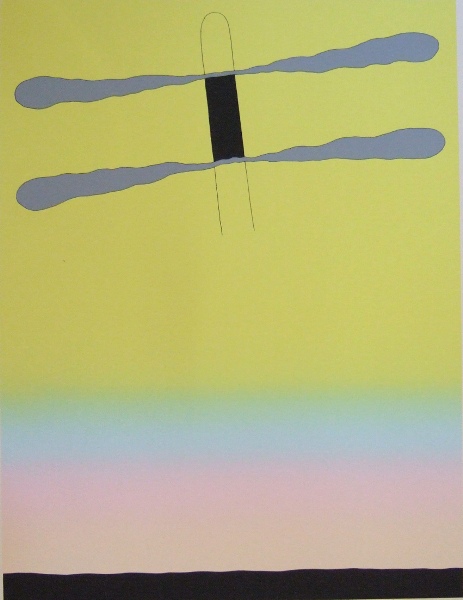
Like A Dragonfly
Short Orange Is Around Center
Stretch White
Orange Shape
Sakuhin
Work
Iya Iya
Red and Yellow
Sakuhin
Uenohou Ha Masshiro
White Circle with Cross Stripes
Piron Piron
Sakuhin (Eau)
Sakuhin
Two different colors in a line
Three colors on top
Work
In The Orange Color
Also Mathematical Formula
From White Net
Untitled
Untitled
Sakuhin
ZZZZZ
Mokumoku ha Akiai iro
Untitled
Round Net